Ann Magnolia

MAGNOLIA X ‘ANN’ (MAGNOLIA GRANDIFLORA X MAGNOLIA LILIIFLORA)

If you’ve been searching for a magnolia that actually thrives in Connecticut—one that blooms reliably even after our unpredictable springs, and doesn’t get its flowers nipped by late frosts—Ann Magnolia is your answer. This hybrid powerhouse combines the best traits of its parents: the tender grace of lily magnolia with the resilience needed for New England gardening. It’s a plant that understands our climate, respects our winters, and rewards us with stunning burgundy flowers year after year.

What it looks like

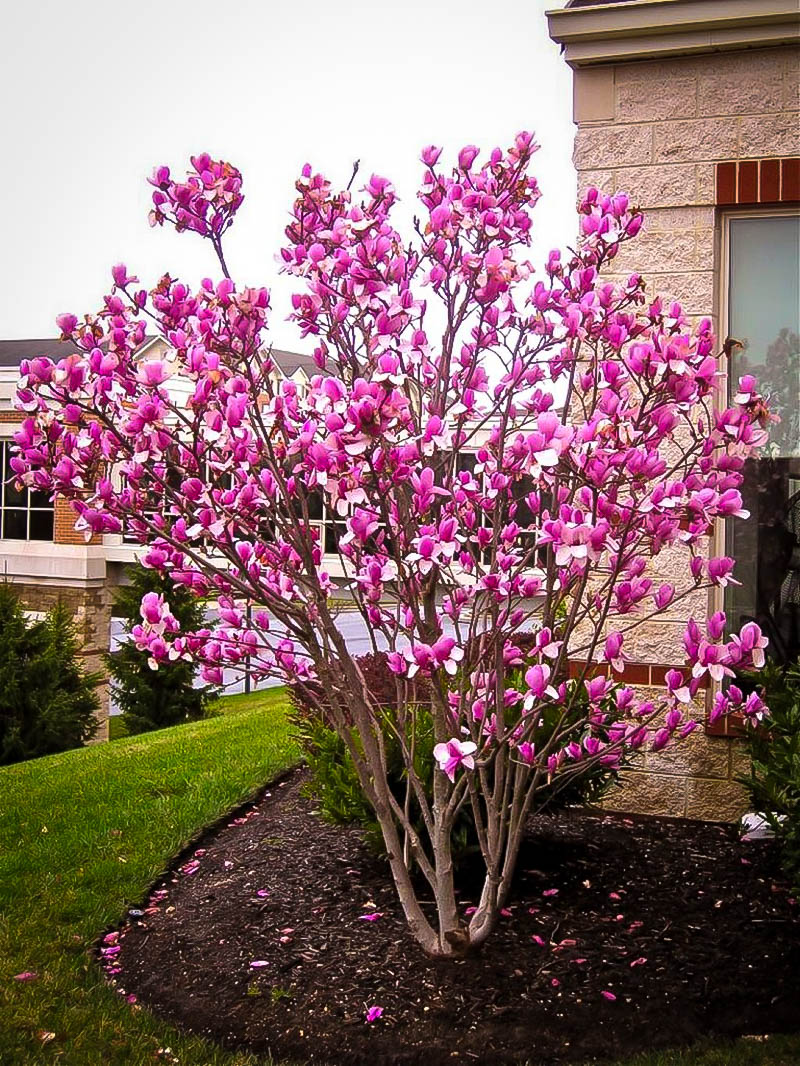
Ann Magnolia is a multi-stemmed deciduous shrub or small tree that grows into a naturally elegant, vase-shaped form. The foliage emerges a soft bronze-green before maturing into a rich, deep green—handsome enough on its own to anchor a garden year-round. But it’s the flowers that stop people mid-stride: large, sophisticated tulip-shaped blooms in a deep burgundy-purple on the outside, with pale pink or creamy interiors. Each flower is held upright along the stems, creating an architectural quality that photographs beautifully and looks stunning from every angle.

Growing it in your garden

Ann Magnolia thrives in full sun to part shade, though give it at least four hours of direct sun for the most abundant flowering. The key to success in Connecticut is site selection. Plant in a location with good air circulation—this helps protect flower buds from late spring frosts that can damage early bloomers. Avoid low-lying frost pockets where cold air settles on spring mornings.

Soil-wise, this magnolia is adaptable. It prefers well-draining, slightly acidic soil but tolerates neutral pH better than many ornamental magnolias. If your garden runs alkaline, amending with sulfur or planting in a raised bed with acidic soil will make a noticeable difference. Unlike some finicky magnolias, Ann actually handles moderate soil moisture variation reasonably well, though it doesn’t want to sit in standing water.

Through the seasons

Spring is Ann’s moment to shine. Flowers typically appear in mid-to-late spring—April through early May in Connecticut—right after the leaves begin emerging. This late-blooming habit is exactly why this cultivar performs so reliably here; it misses many of our killer frosts. The burgundy buds are themselves ornamental, creating weeks of visual interest before they open.

Summer brings full, lush green foliage that needs virtually no maintenance. Fall color is subtle—a pale yellow-green that fades gracefully. Winter reveals the plant’s elegant branching structure, which has considerable architectural appeal in the garden, especially when frosted or snow-laden.

Where it shines

Ann Magnolia is perfect as a specimen plant in a foundation planting where you want year-round interest without overwhelming scale. It works beautifully at the back of a mixed border, where its spring flowers provide a dramatic focal point before shade-loving perennials fill in around its base. In smaller Connecticut gardens where a 15-foot magnolia feels too large, Ann’s more moderate size makes her manageable and proportionate.

This is also an excellent choice for gardeners who’ve been hesitant about magnolias due to previous disappointments. If you’ve had flowers frozen off or struggled with a tender Southern magnolia, Ann changes the game. Her hybrid vigor and later bloom time eliminate much of that frustration.

Perfect companions

Plant Ann Magnolia with shade-tolerant spring bulbs like snowdrops, squill, and hellebores at her base. The burgundy flowers pair gorgeously with white flowering trees like serviceberry or crabapple planted nearby. In summer, underplant with shade-tolerant hostas, ferns, or astilbe. Add layers of shrubs like viburnum, weigela, or witch hazel around it to create a multi-season garden tapestry. For privacy screening, plant Ann in a staggered line with other medium-sized shrubs.

Care tips

Prune only to shape immediately after flowering; magnolias form their flower buds in summer, so summer or fall pruning removes next year’s blooms. Mulch lightly to keep roots cool and retain moisture, but keep mulch a few inches away from the trunk. Water during dry spells, especially the first year after planting and during hot Connecticut summers. No fertilizer is necessary if your soil is reasonable; magnolias aren’t heavy feeders. Watch for scale or spider mites in very dry summers—a blast from the hose often handles these pests.

Quick facts

  • Hardiness Zone: 5-8
  • Mature Height & Spread: 8-10 feet tall and wide
  • Bloom Season: Mid to late spring (April-May in Connecticut)
  • Light Requirements: Full sun to part shade (minimum 4 hours direct sun)
  • Water Needs: Moderate; consistent but well-drained soil preferred
  • Available at: Both our retail and wholesale locations

Ann Magnolia

Category:

Perfect for small gardens, Magnolia ‘Ann’ is a slow-growing deciduous shrub or small tree with slightly fragrant reddish-purple flowers in mid to late spring.

Pot Size (gallons), Height: 7-8′

Description

Ann Magnolia

MAGNOLIA X ‘ANN’ (MAGNOLIA GRANDIFLORA X MAGNOLIA LILIIFLORA)

If you’ve been searching for a magnolia that actually thrives in Connecticut—one that blooms reliably even after our unpredictable springs, and doesn’t get its flowers nipped by late frosts—Ann Magnolia is your answer. This hybrid powerhouse combines the best traits of its parents: the tender grace of lily magnolia with the resilience needed for New England gardening. It’s a plant that understands our climate, respects our winters, and rewards us with stunning burgundy flowers year after year.

What it looks like

Ann Magnolia is a multi-stemmed deciduous shrub or small tree that grows into a naturally elegant, vase-shaped form. The foliage emerges a soft bronze-green before maturing into a rich, deep green—handsome enough on its own to anchor a garden year-round. But it’s the flowers that stop people mid-stride: large, sophisticated tulip-shaped blooms in a deep burgundy-purple on the outside, with pale pink or creamy interiors. Each flower is held upright along the stems, creating an architectural quality that photographs beautifully and looks stunning from every angle.

Growing it in your garden

Ann Magnolia thrives in full sun to part shade, though give it at least four hours of direct sun for the most abundant flowering. The key to success in Connecticut is site selection. Plant in a location with good air circulation—this helps protect flower buds from late spring frosts that can damage early bloomers. Avoid low-lying frost pockets where cold air settles on spring mornings.

Soil-wise, this magnolia is adaptable. It prefers well-draining, slightly acidic soil but tolerates neutral pH better than many ornamental magnolias. If your garden runs alkaline, amending with sulfur or planting in a raised bed with acidic soil will make a noticeable difference. Unlike some finicky magnolias, Ann actually handles moderate soil moisture variation reasonably well, though it doesn’t want to sit in standing water.

Through the seasons

Spring is Ann’s moment to shine. Flowers typically appear in mid-to-late spring—April through early May in Connecticut—right after the leaves begin emerging. This late-blooming habit is exactly why this cultivar performs so reliably here; it misses many of our killer frosts. The burgundy buds are themselves ornamental, creating weeks of visual interest before they open.

Summer brings full, lush green foliage that needs virtually no maintenance. Fall color is subtle—a pale yellow-green that fades gracefully. Winter reveals the plant’s elegant branching structure, which has considerable architectural appeal in the garden, especially when frosted or snow-laden.

Where it shines

Ann Magnolia is perfect as a specimen plant in a foundation planting where you want year-round interest without overwhelming scale. It works beautifully at the back of a mixed border, where its spring flowers provide a dramatic focal point before shade-loving perennials fill in around its base. In smaller Connecticut gardens where a 15-foot magnolia feels too large, Ann’s more moderate size makes her manageable and proportionate.

This is also an excellent choice for gardeners who’ve been hesitant about magnolias due to previous disappointments. If you’ve had flowers frozen off or struggled with a tender Southern magnolia, Ann changes the game. Her hybrid vigor and later bloom time eliminate much of that frustration.

Perfect companions

Plant Ann Magnolia with shade-tolerant spring bulbs like snowdrops, squill, and hellebores at her base. The burgundy flowers pair gorgeously with white flowering trees like serviceberry or crabapple planted nearby. In summer, underplant with shade-tolerant hostas, ferns, or astilbe. Add layers of shrubs like viburnum, weigela, or witch hazel around it to create a multi-season garden tapestry. For privacy screening, plant Ann in a staggered line with other medium-sized shrubs.

Care tips

Prune only to shape immediately after flowering; magnolias form their flower buds in summer, so summer or fall pruning removes next year’s blooms. Mulch lightly to keep roots cool and retain moisture, but keep mulch a few inches away from the trunk. Water during dry spells, especially the first year after planting and during hot Connecticut summers. No fertilizer is necessary if your soil is reasonable; magnolias aren’t heavy feeders. Watch for scale or spider mites in very dry summers—a blast from the hose often handles these pests.

Quick facts

  • Hardiness Zone: 5-8
  • Mature Height & Spread: 8-10 feet tall and wide
  • Bloom Season: Mid to late spring (April-May in Connecticut)
  • Light Requirements: Full sun to part shade (minimum 4 hours direct sun)
  • Water Needs: Moderate; consistent but well-drained soil preferred
  • Available at: Both our retail and wholesale locations