
Description

MALUS SPP.
Ask any New England gardener what they’re growing, and somewhere in that conversation, an apple tree probably comes up. There’s something almost mythical about the apple—it connects us to our land, our seasons, and that deep satisfaction of biting into fruit you’ve grown yourself. Whether you’re dreaming of crisp autumn harvests or simply want the beauty of spring blossoms followed by summer’s abundance, an apple tree transforms your Connecticut garden into something genuinely productive and endlessly rewarding.
What it looks like
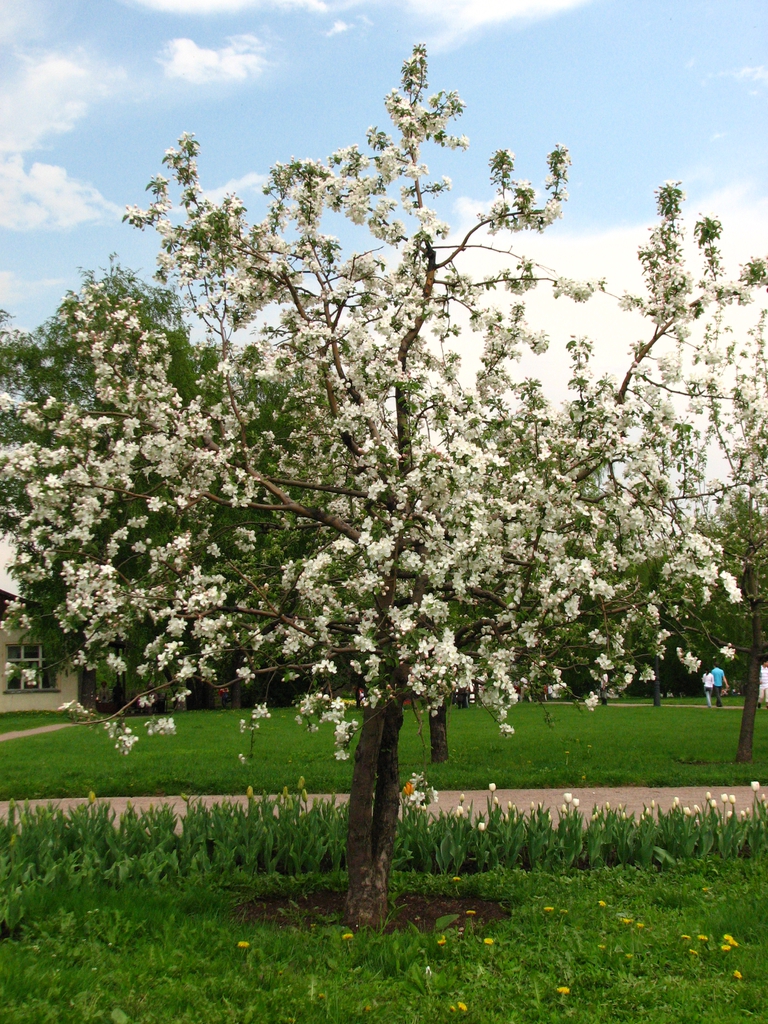
Apple trees are the performers of the fruit world. In spring, they dress themselves in clouds of pale pink or white blossoms that smell absolutely divine—this alone makes them worth growing, even before the fruit arrives. By summer, the tree has settled into a sturdy, broad-canopied shape, its leaves a reliable deep green that provides excellent structure to the garden. Come autumn, you get the real show: fruit ranging from deep crimson to golden yellow (depending on your variety), hanging like jewels among gradually changing foliage. The bark develops a handsome, slightly peeling character as trees mature, adding winter interest to your landscape.
Growing it in your garden
Here’s the truth: apple trees are tough plants that genuinely thrive in Connecticut’s climate. They want full sun—at least six to eight hours daily—and well-draining soil. Unlike fussy ornamentals, they’re remarkably forgiving about soil type, handling everything from slightly acidic to neutral pH. They prefer consistent moisture during their growing season, but once established, they’re not drama queens about watering. Most apples benefit from cross-pollination, which means growing at least two compatible varieties gives you far better fruit set. Think of it as giving your trees good company; they genuinely perform better together. We can help you select varieties that bloom at the same time and pollinate each other effectively.
Through the seasons
Spring brings those magnificent blossoms—a harbinger of what’s coming. In late spring through summer, tiny fruits develop and swell. Summer is when you’ll do most of your thinning, removing small or damaged apples to encourage larger, sweeter fruit on the remaining specimens. By late summer through fall, depending on your variety, fruit reaches peak ripeness. Some apples mature in August, others not until October, which means you can extend your harvest across months. After leaf drop, winter reveals the tree’s elegant branching structure—a quieter kind of beauty that shouldn’t be overlooked.
Where it shines
Apple trees are genuine landscape anchors. A mature specimen becomes a focal point—something you orient your garden around rather than tucking into a corner. They’re perfect as shade trees in a sunny location, creating dappled light beneath their canopy. Plant them where you can see them from kitchen windows; watching the season unfold on an apple tree is one of gardening’s quiet pleasures. They work beautifully in a small orchard grouping, line a property edge, or stand alone as a statement piece. In Connecticut gardens, they handle our variable spring weather, our humid summers, and our unpredictable winters with admirable stoicism.
Perfect companions
Underplant your apple trees with shade-tolerant perennials like hellebores, woodland phlox, or sedges. Spring bulbs—particularly daffodils—create a magical moment beneath blooming apples. If you’re creating an orchard effect, companion fruit trees like pears or cherries work wonderfully nearby (though ensure adequate spacing). Ground covers like creeping thyme or native ajuga soften the base while requiring minimal maintenance. Keep the immediate area around the trunk clear for air circulation and to prevent rodent issues.
Care tips
Annual pruning—ideally in late winter while the tree is dormant—keeps your apple tree productive and healthy. Remove crossing branches, anything growing inward, and dead wood. Thinning fruit in early summer (leaving fruits about six inches apart) dramatically improves size and flavor. Monitor for common New England pests like codling moths and Japanese beetles; we’re happy to discuss organic management strategies. Most varieties need minimal fertilization in established Connecticut gardens, particularly if your soil is reasonably fertile. A light application of compost each spring is often all that’s needed.
Quick facts
- Hardiness Zone: 3–5 (depending on variety)
- Mature Height & Spread: 20–30 feet (standard trees); dwarf varieties 8–12 feet
- Bloom Season: Spring (April–May in Connecticut)
- Light Requirements: Full sun (6–8 hours minimum)
- Water Needs: Moderate; consistent moisture during growing season, well-draining soil essential
- Available at: Both our retail and wholesale locations.