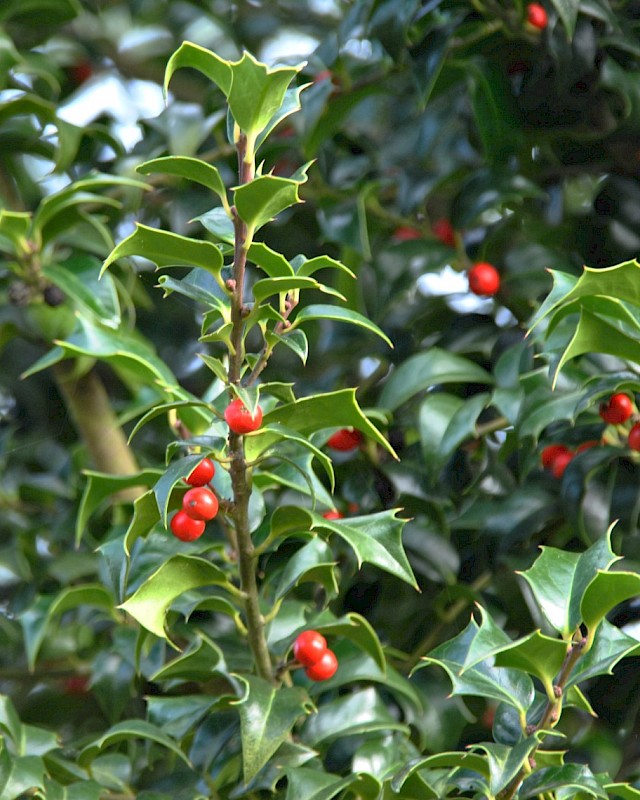
Dragon Lady

Oh, if you’re looking for a plant that brings drama, elegance, and year-round interest to your Connecticut garden, let me tell you about Dragon Lady! This stunning evergreen shrub is like having a piece of tropical flair right here in New England, and honestly, once you grow one, you’ll wonder how you ever gardened without it. With its deep burgundy foliage and bold presence, Dragon Lady (ILEX × MESERVEAE ‘Dragon Lady’) is a showstopper that adds sophisticated color and structure to any landscape, even when everything else has gone dormant for winter.

What it looks like

Dragon Lady is an absolutely gorgeous evergreen holly with a naturally upright, columnar growth habit that’s just perfect for adding vertical interest without taking up too much real estate in your garden bed. The foliage is where this beauty really shines—we’re talking deep, glossy, burgundy-tinged leaves that are thick and leathery, creating a rich, luxurious texture that catches the light beautifully. The leaves have those classic holly characteristics with spiny edges, though don’t worry, they’re positioned in a way that doesn’t make pruning or handling feel like a battle. In spring, small white flowers appear—delicate little blooms that are absolutely charming—and if you have a male pollinator nearby (like a Blue Prince holly), you’ll be rewarded with bright red berries in fall that persist right through winter, adding even more visual appeal when the garden is looking a bit sleepy.

Growing it in your garden

Here’s the wonderful news: Dragon Lady is genuinely easy to grow here in Connecticut! This is a Meserve hybrid holly, which means it’s been specifically bred to handle our challenging New England winters with aplomb. Plant it in a location that gets full sun to part shade—honestly, it performs beautifully in both, though you’ll get more berry production with at least six hours of direct sunlight. The plant isn’t particularly fussy about soil as long as it drains reasonably well; it actually tolerates slightly acidic to neutral soils really nicely, which is perfect for our Connecticut gardens. While it’s fairly adaptable once established, give it decent drainage so water doesn’t pool around the roots, especially during our wet springs. The plant has a moderate growth rate, so you won’t be waiting forever for it to fill out, but you also won’t be pruning it back constantly—it’s that perfect sweet spot of maintenance.

Through the seasons

What I absolutely love about Dragon Lady is that it’s beautiful in every single season, and that’s honestly what makes it such a valuable addition to a Connecticut landscape. In spring, those delicate white flowers are a subtle surprise, and the fresh new growth emerges with even deeper burgundy tones. Summer through early fall, the rich, deep foliage provides a gorgeous backdrop for other plants and flowers—it’s like having a living jewel box in your garden. When fall arrives and everything else is starting to fade, Dragon Lady is just getting better, especially if you have a male pollinator nearby for berry production. Those brilliant red berries are stunning against the dark foliage and persist well into winter, providing food for birds and amazing visual interest when snow is on the ground. Winter? This is when Dragon Lady truly earns its place in the garden. While deciduous plants are bare and everything looks gray and dormant, your Dragon Lady is standing there looking sophisticated and evergreen, its burgundy-tinged foliage adding warmth and color to the winter landscape.

Where it shines

Dragon Lady is incredibly versatile and works wonderfully in so many garden situations. It’s fantastic as a specimen plant where you want to draw the eye—that columnar form is natural and elegant, and the rich color is eye-catching without being jarring. It works beautifully in mixed shrub borders where it can provide structure and year-round backbone. Along foundations or entryways, it adds a touch of sophistication and formality. Because it’s an evergreen, it’s perfect for screening unsightly views year-round or creating privacy, and that upright habit means you don’t need to sacrifice as much space. It also does wonderfully in containers, which is great if you want to dress up a patio or entryway. And here’s something I really love: it’s fantastic for wildlife gardens. Those berries are beloved by birds, and the dense evergreen foliage provides shelter for our feathered friends through those cold New England winters.

Perfect companions

Dragon Lady pairs beautifully with so many plants! If you want to ensure berry production, pair it with a male holly like Blue Prince—they’ll pollinate each other and you’ll get that stunning berry display. It looks gorgeous with other evergreens like boxwoods or dwarf conifers, creating a sophisticated, textured look. Shade-tolerant perennials like hellebores or autumn ferns look lovely at its feet, softening the base. Hydrangeas are beautiful companions, too, especially panicle hydrangeas that bloom later in the season and bridge that gap between Dragon Lady’s spring flowers and fall berries. For seasonal interest, plant spring bulbs like tulips or hellebores near it—they’ll pop beautifully against that dark foliage in spring, and Dragon Lady will provide greenery after they fade.

Care tips

Dragon Lady is wonderfully low-maintenance once established. Water regularly during the first growing season to help it establish a deep root system, and then it’s quite drought-tolerant compared to many plants—though during our hot Connecticut summers, a good drink during dry spells is appreciated. Mulch around the base with two to three inches of organic mulch to keep roots cool and retain moisture. Pruning is optional since it naturally grows in a tidy columnar form, but if you want to keep it more compact or shape it, late winter or early spring is the time to do it. The plant is quite pest and disease-resistant, which is another reason I love recommending it—you won’t be constantly battling issues. Fertilizing isn’t usually necessary if your soil is reasonably decent, but if you want to give it a little boost in spring, a slow-release evergreen fertilizer won’t hurt.

Quick facts

  • Hardiness Zone: Zone 5b-9 (hardy here in Connecticut!)
  • Mature Height & Spread: 12-15 feet tall, 3-4 feet wide
  • Bloom Season: Spring (white flowers); Fall/Winter (red berries with male pollinator)
  • Light Requirements: Full sun to part shade
  • Water Needs: Moderate; drought-tolerant once established
  • Available at: Both our retail and wholesale locations.

Dragon Lady

A strong pyramidal growth habit makes this plant very versatile.

Zoning: 5-8
Mature Height and Spread: 15-20’ & 4-6’
Pot Size (gallons), Height: 5’, 6’, 7’, 8’

Description

Dragon Lady

Oh, if you’re looking for a plant that brings drama, elegance, and year-round interest to your Connecticut garden, let me tell you about Dragon Lady! This stunning evergreen shrub is like having a piece of tropical flair right here in New England, and honestly, once you grow one, you’ll wonder how you ever gardened without it. With its deep burgundy foliage and bold presence, Dragon Lady (ILEX × MESERVEAE ‘Dragon Lady’) is a showstopper that adds sophisticated color and structure to any landscape, even when everything else has gone dormant for winter.

What it looks like

Dragon Lady is an absolutely gorgeous evergreen holly with a naturally upright, columnar growth habit that’s just perfect for adding vertical interest without taking up too much real estate in your garden bed. The foliage is where this beauty really shines—we’re talking deep, glossy, burgundy-tinged leaves that are thick and leathery, creating a rich, luxurious texture that catches the light beautifully. The leaves have those classic holly characteristics with spiny edges, though don’t worry, they’re positioned in a way that doesn’t make pruning or handling feel like a battle. In spring, small white flowers appear—delicate little blooms that are absolutely charming—and if you have a male pollinator nearby (like a Blue Prince holly), you’ll be rewarded with bright red berries in fall that persist right through winter, adding even more visual appeal when the garden is looking a bit sleepy.

Growing it in your garden

Here’s the wonderful news: Dragon Lady is genuinely easy to grow here in Connecticut! This is a Meserve hybrid holly, which means it’s been specifically bred to handle our challenging New England winters with aplomb. Plant it in a location that gets full sun to part shade—honestly, it performs beautifully in both, though you’ll get more berry production with at least six hours of direct sunlight. The plant isn’t particularly fussy about soil as long as it drains reasonably well; it actually tolerates slightly acidic to neutral soils really nicely, which is perfect for our Connecticut gardens. While it’s fairly adaptable once established, give it decent drainage so water doesn’t pool around the roots, especially during our wet springs. The plant has a moderate growth rate, so you won’t be waiting forever for it to fill out, but you also won’t be pruning it back constantly—it’s that perfect sweet spot of maintenance.

Through the seasons

What I absolutely love about Dragon Lady is that it’s beautiful in every single season, and that’s honestly what makes it such a valuable addition to a Connecticut landscape. In spring, those delicate white flowers are a subtle surprise, and the fresh new growth emerges with even deeper burgundy tones. Summer through early fall, the rich, deep foliage provides a gorgeous backdrop for other plants and flowers—it’s like having a living jewel box in your garden. When fall arrives and everything else is starting to fade, Dragon Lady is just getting better, especially if you have a male pollinator nearby for berry production. Those brilliant red berries are stunning against the dark foliage and persist well into winter, providing food for birds and amazing visual interest when snow is on the ground. Winter? This is when Dragon Lady truly earns its place in the garden. While deciduous plants are bare and everything looks gray and dormant, your Dragon Lady is standing there looking sophisticated and evergreen, its burgundy-tinged foliage adding warmth and color to the winter landscape.

Where it shines

Dragon Lady is incredibly versatile and works wonderfully in so many garden situations. It’s fantastic as a specimen plant where you want to draw the eye—that columnar form is natural and elegant, and the rich color is eye-catching without being jarring. It works beautifully in mixed shrub borders where it can provide structure and year-round backbone. Along foundations or entryways, it adds a touch of sophistication and formality. Because it’s an evergreen, it’s perfect for screening unsightly views year-round or creating privacy, and that upright habit means you don’t need to sacrifice as much space. It also does wonderfully in containers, which is great if you want to dress up a patio or entryway. And here’s something I really love: it’s fantastic for wildlife gardens. Those berries are beloved by birds, and the dense evergreen foliage provides shelter for our feathered friends through those cold New England winters.

Perfect companions

Dragon Lady pairs beautifully with so many plants! If you want to ensure berry production, pair it with a male holly like Blue Prince—they’ll pollinate each other and you’ll get that stunning berry display. It looks gorgeous with other evergreens like boxwoods or dwarf conifers, creating a sophisticated, textured look. Shade-tolerant perennials like hellebores or autumn ferns look lovely at its feet, softening the base. Hydrangeas are beautiful companions, too, especially panicle hydrangeas that bloom later in the season and bridge that gap between Dragon Lady’s spring flowers and fall berries. For seasonal interest, plant spring bulbs like tulips or hellebores near it—they’ll pop beautifully against that dark foliage in spring, and Dragon Lady will provide greenery after they fade.

Care tips

Dragon Lady is wonderfully low-maintenance once established. Water regularly during the first growing season to help it establish a deep root system, and then it’s quite drought-tolerant compared to many plants—though during our hot Connecticut summers, a good drink during dry spells is appreciated. Mulch around the base with two to three inches of organic mulch to keep roots cool and retain moisture. Pruning is optional since it naturally grows in a tidy columnar form, but if you want to keep it more compact or shape it, late winter or early spring is the time to do it. The plant is quite pest and disease-resistant, which is another reason I love recommending it—you won’t be constantly battling issues. Fertilizing isn’t usually necessary if your soil is reasonably decent, but if you want to give it a little boost in spring, a slow-release evergreen fertilizer won’t hurt.

Quick facts

  • Hardiness Zone: Zone 5b-9 (hardy here in Connecticut!)
  • Mature Height & Spread: 12-15 feet tall, 3-4 feet wide
  • Bloom Season: Spring (white flowers); Fall/Winter (red berries with male pollinator)
  • Light Requirements: Full sun to part shade
  • Water Needs: Moderate; drought-tolerant once established
  • Available at: Both our retail and wholesale locations.