
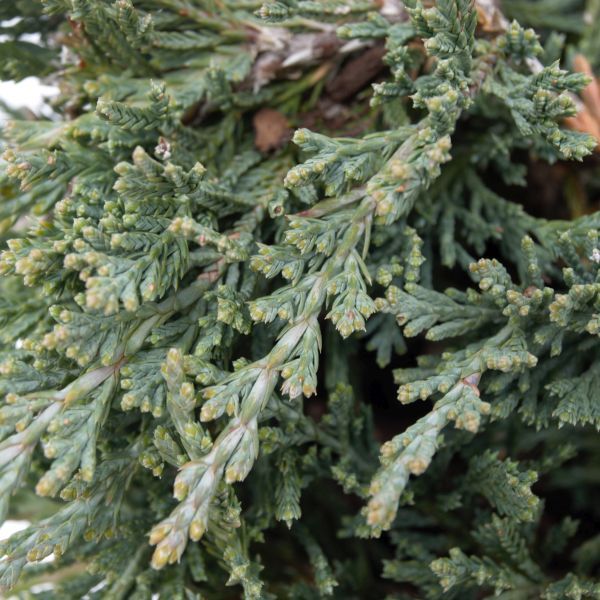
Description

JUNIPERUS HORIZONTALIS ‘BAR HARBOR’
If you’ve been searching for something that handles wet soil, deep shade, and Connecticut winters without complaint—while also looking absolutely stunning—Bar Harbor Juniper might just be your answer. This low-growing evergreen groundcover is tough as nails, versatile enough to thrive in conditions that would defeat most plants, and it brings a sophisticated sophistication to any landscape. Originally selected from a hardy specimen discovered in Bar Harbor, Maine, this cultivar has become a New England gardening secret that deserves to be in far more yards than it currently is.
What it looks like
Bar Harbor Juniper is a dense, spreading groundcover that hugs the ground like a thick, feathery blanket. Its fine-textured foliage is a striking blue-gray to gray-green in the growing season, but here’s where it really shows off: when cold weather arrives, the foliage shifts to a rich purple-bronze or plum tone, creating an almost jewel-like appearance throughout fall and winter. The needle-like foliage is soft to the touch, and the overall growth habit is so neat and tidy that it needs minimal pruning. Mature plants create a lush, landscape-softening mound that’s equally beautiful as a specimen planting or woven throughout a larger design.
Growing it in your garden
Here’s what makes Bar Harbor Juniper such a joy for Connecticut gardeners: it’s remarkably unfussy. This plant laughs at our fluctuating temperatures, heavy clay soils, and occasional winter salt spray. It prefers full sun to light shade and actually tolerates poor, well-drained soil better than rich, amended soil. While it can adapt to various conditions, it truly shines when given good air circulation—plant it where cold winter wind can reach it, not tucked into a protected pocket. The plant’s tolerance for these tough conditions makes it invaluable for challenging spots where other groundcovers simply won’t establish.
Through the seasons
Spring arrives with fresh, bright foliage that’s a cheerful gray-blue, and the plant begins its vigorous spreading. Summer sees lush, full growth as the juniper settles in and establishes itself, looking fresh and cool even during heat waves. Fall is when Bar Harbor truly becomes a showstopper—watch as the foliage gradually transforms into those gorgeous plum and bronze tones, deepening as temperatures drop. Winter is spectacular, with the foliage maintaining its rich coloring while the plant stays evergreen and structural in the landscape, providing interest when so many plants have disappeared entirely.
Where it shines
This groundcover is absolutely perfect for slopes and banks where erosion control and low maintenance are priorities. Use it to cascade over retaining walls, soften the edges of raised beds, or create flowing drifts throughout a perennial garden. It’s equally at home in rock gardens, on dry hillsides, or tucked between stepping stones. Many gardeners use Bar Harbor Juniper as a living mulch around shrubs and small trees—it suppresses weeds while looking intentional and designed. For New England gardeners dealing with deer, salt spray, or challenging microclimates, this plant is an MVP.
Perfect companions
Bar Harbor Juniper pairs beautifully with upright junipers like JUNIPERUS SCOPULORUM ‘Skyrocket’ to create interesting textural contrasts. Combine it with ornamental grasses such as blue fescue or sedum for a rock garden aesthetic. Smaller flowering perennials like phlox or catmint can be planted nearby to add color without competing for space. In winter, the plum tones are absolutely luminous against the dark foliage of evergreen shrubs like boxwood or dwarf conifers. Even the silvery-gray summer foliage works as a perfect foil for vibrant perennial colors.
Care tips
Plant Bar Harbor Juniper in spring or early fall to give it time to establish before extreme weather. Space plants about 3 feet apart—yes, that sounds wide, but they’ll fill in. Water regularly during the first growing season, then the plant becomes quite drought-tolerant once established. Pruning is rarely necessary, though you can remove any dead or damaged growth in spring. Avoid fertilizing; this plant actually prefers lean conditions. The color change in fall is natural and normal—not a sign of stress. If planting in heavy clay, add some sand or grit to improve drainage, though Bar Harbor tolerates clay better than most junipers.
Quick facts
- Hardiness Zone: 3-9 (thrives throughout Connecticut)
- Mature Height & Spread: 12 inches tall × 4-6 feet wide
- Bloom Season: Evergreen foliage plant; plum coloring in fall and winter
- Light Requirements: Full sun to light shade
- Water Needs: Drought-tolerant once established; water regularly first season
- Available at: Both our retail and wholesale locations