
Description

MONARDA DIDYMA
If you’ve been searching for a plant that brings the whole garden alive—literally alive with bees, butterflies, and hummingbirds—Bee Balm is your answer. This native perennial is a showstopper that doesn’t just sit there looking pretty; it actively transforms your garden into a pollinator paradise. The moment it blooms, you’ll understand why it earned its common name. Watching a ruby-throated hummingbird hover over those spiky flower heads never gets old, no matter how many times you plant it.
What it looks like
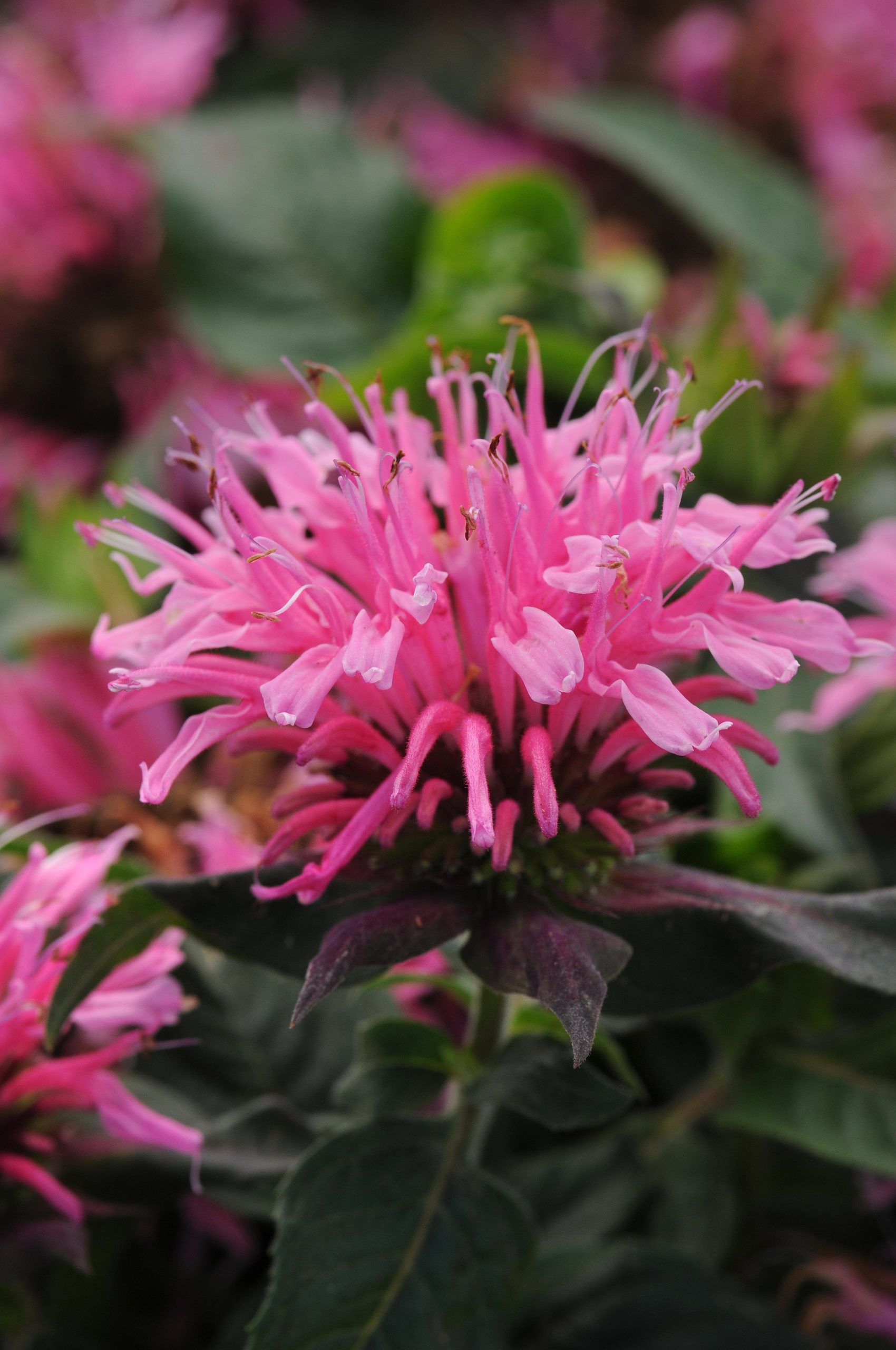
Bee Balm is an architectural plant that commands attention. It grows as an upright, bushy perennial with sturdy stems topped by those distinctive shaggy flower heads that look almost like fireworks frozen mid-burst. The flowers come in jewel tones—deep crimson red, hot pink, purple-burgundy, and occasionally softer lavender shades depending on variety. The lance-shaped leaves are aromatic too; brush past them on a warm day and you’ll catch hints of mint and oregano. Height varies by variety, but most reach 2 to 4 feet tall, giving you plenty of options depending on where you want to place them in your garden.
Growing it in your garden
Here’s what makes Bee Balm so valuable in Connecticut gardens: it’s tough, adaptable, and genuinely wants to thrive here. While it loves full sun and rewards you with the most vibrant blooms in 6+ hours of direct light, it’s also one of the few perennials that can handle partial shade. It’s not fussy about soil either—average, well-draining soil is plenty. One thing it does appreciate is decent air circulation, which helps prevent the powdery mildew that occasionally plagues this species in our humid New England summers. Space plants 2 to 3 feet apart and thin the stems occasionally as the plant matures to keep air flowing through the clump. It’s a spreader (rhizomatous, if you want to get technical), but not aggressively so, and it’s easy to manage if you’re selective about which shoots you let develop each spring.
Through the seasons
Bee Balm emerges in spring as fresh green shoots that quickly fill out into full clumps. By early to mid-summer, the flower buds form, and by late June or early July, depending on the variety, you’re looking at peak bloom. The flowers stay showy for weeks—often into September if you deadhead spent blooms to encourage more flowering. The seed heads that form later in the season are actually quite ornamental if you leave them standing through fall and into winter; birds love picking through them for seeds. Come November, you can cut the whole plant back to ground level. It’ll return reliably each spring in zones 4 through 9.
Where it shines
Plant Bee Balm where you spend summer evenings—you’ll get front-row seats to the hummingbird show. It’s ideal for cottage gardens, pollinator gardens, and anywhere you want bold color and even bolder life. It pairs beautifully with other midsummer bloomers and works equally well as a specimen plant that stands alone. If you’re growing cut flowers, Bee Balm is a natural choice; those spikey heads last well in arrangements and dry beautifully too. In a meadow-style planting, it creates those gorgeous drifts of color that feel both wild and intentional.
Perfect companions
Bee Balm loves company, especially that of other pollinator favorites. Plant it alongside black-eyed susans (RUDBECKIA) for a classic summer combination, or try it with purple coneflower (ECHINACEA) for deeper color contrast. Joe-Pye weed (EUTROCHIUM) makes a tall, textural backdrop, and ornamental grasses like PANICUM add movement and late-season interest around the flowers. Catmint (NEPETA) planted in front creates a softer edge and extends the blue-purple color palette.
Care tips
Water regularly the first season to establish a deep root system, especially during Connecticut’s dry spells. Once established, Bee Balm is fairly drought-tolerant, though it flowers more prolifically with consistent moisture. If you do see powdery mildew appearing on lower leaves mid-summer, it’s usually just cosmetic and won’t kill the plant, but you can improve it by increasing air circulation—thin out some of the interior stems. Divide plants every three to four years in spring to keep them vigorous and prevent them from becoming too dense and woody in the center.
Quick facts
- Hardiness Zone: 4–9
- Mature Height & Spread: 2–4 feet tall, 2–3 feet wide depending on variety
- Bloom Season: Late June through September
- Light Requirements: Full sun to part shade (6+ hours direct sun for best blooms)
- Water Needs: Moderate; water regularly when young, then drought-tolerant once established
- Available at: Both our retail and wholesale locations