Blanchard Magnolia

Oh, if you’re looking for a magnolia that’s absolutely perfect for our Connecticut gardens, let me introduce you to the Blanchard Magnolia (MAGNOLIA X ‘BLANCHARD’)! This is one of my favorite recommendations because it delivers that stunning spring drama we all crave without the fussiness of some of its more temperamental cousins. Picture this: you’re sipping your morning coffee on a cool April morning, and suddenly your entire front yard is ablaze with creamy white flowers tinged with the softest blush of pink. That’s the Blanchard experience, and trust me, it’s worth every bit of the anticipation.

What it looks like

The Blanchard Magnolia is an absolute showstopper with its tulip-shaped flowers that emerge before the leaves unfurl—giving you that spectacular, unobstructed view of blooms that make you feel like spring has officially arrived. The flowers are large and elegant, with a creamy white base that gradually deepens to soft pink at the petal edges. Once the flowers fade, beautiful glossy green foliage takes center stage, creating a lovely backdrop for the rest of your garden through summer and fall. The overall form is naturally graceful and somewhat pyramidal, growing into a well-proportioned tree that never feels gangly or awkward in the landscape.

Growing it in your garden

Here’s what I love most about the Blanchard: it’s remarkably well-suited to New England’s finicky climate. While some magnolias are prone to having their early blooms zapped by our unpredictable spring frosts, the Blanchard has proven itself hardy and reliable right here in Connecticut. It does best with afternoon shade in our most intense summer heat, though it needs enough light to bloom prolifically. I’d recommend planting it where it gets morning sun and afternoon protection—that eastern exposure is really ideal for Connecticut gardens. When it comes to soil, magnolias prefer slightly acidic conditions with good drainage, so amend heavy clay with compost before planting. Connecticut’s soils tend to be a bit on the acidic side naturally, which works wonderfully in your favor!

Through the seasons

Spring is obviously the Blanchard’s moment to shine, with those magnificent blooms typically appearing in mid to late April here in Connecticut—late enough that they usually escape the worst of our spring frosts. Summer brings dense, attractive foliage that provides lovely shade and privacy, and the tree’s branching structure is beautiful enough that it remains ornamental even without flowers. Fall color is subtle but lovely, with leaves turning soft yellow-green before dropping. Winter reveals the tree’s elegant branch structure, and while it’s not dramatic, it’s certainly attractive enough to not diminish your garden’s winter interest.

Where it shines

The Blanchard Magnolia is perfect as a specimen tree in a prominent location—perhaps near an entryway where you’ll see those flowers every single day in spring. It’s also wonderful along property lines to add height and structure without overwhelming surrounding plantings. I’ve seen it work beautifully as part of a woodland garden edge, and it’s large enough to serve as a focal point in a mixed border. If you have a spot where you want to create that “special garden moment,” this is your tree. It’s also excellent for creating a backdrop to spring-flowering perennials and shrubs that bloom at the same time.

Perfect companions

Think about pairing your Blanchard with spring ephemerals like trilliums and bloodroot that appreciate the dappled shade it eventually provides. Shade-loving hostas and hellebores work beautifully beneath it once it’s established, and their foliage picks up where the magnolia’s shade takes over. For spring color coordination, consider underplanting with white or pink-tinged rhododendrons (especially our native varieties), and don’t overlook the charm of spring bulbs like grape hyacinths and species tulips dotted around the base. Evergreen shrubs like holly or boxwood planted nearby provide nice winter contrast and frame the tree’s elegant branching beautifully.

Care tips

Once established, the Blanchard is relatively low-maintenance—which is music to a Connecticut gardener’s ears! Water regularly during the first year to help establish a strong root system, then it becomes quite drought-tolerant. Magnolias don’t love heavy pruning, so I recommend minimal pruning unless you need to remove dead or crossing branches. Do any necessary pruning immediately after flowering, while the tree is in growth mode. In our Connecticut climate, winter isn’t typically hard on magnolias, though protecting young trees from harsh wind is helpful. Avoid planting in areas prone to late spring frosts if possible, as Blanchard magnolias bloom relatively early and frost can damage developing flower buds.

Quick facts

  • Hardiness Zone: Zones 5-9
  • Mature Height & Spread: 25-30 feet tall and 15-20 feet wide
  • Bloom Season: Mid to late April
  • Light Requirements: Full sun to partial shade (afternoon shade appreciated in heat)
  • Water Needs: Regular watering first year; moderate thereafter
  • Available at: Both our retail and wholesale locations.

Blanchard Magnolia

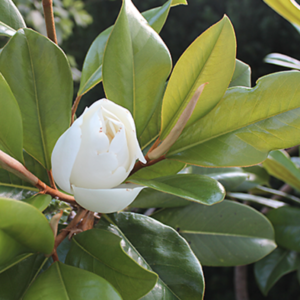
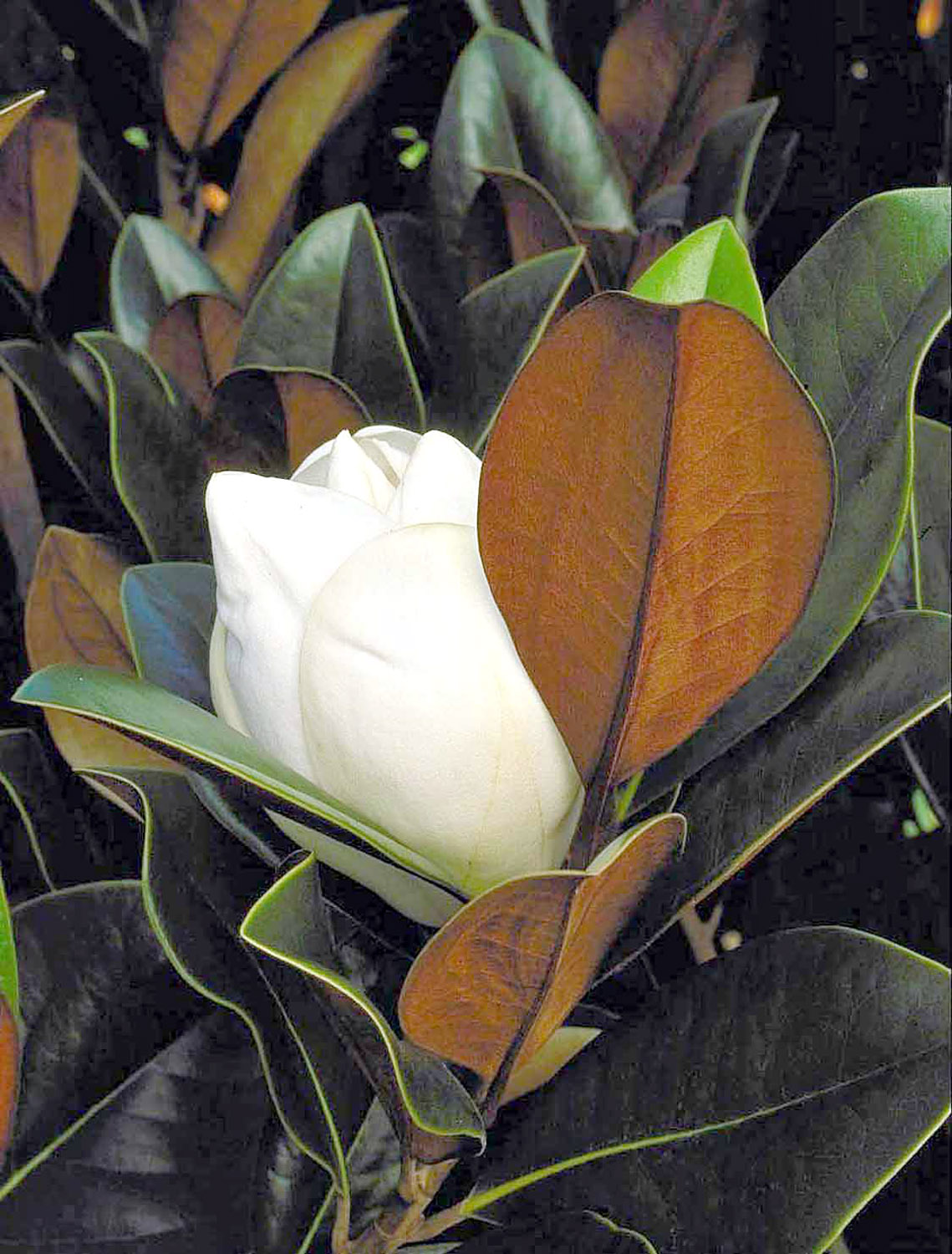
D.D. Blanchard Magnolia is smothered in stunning fragrant white cup-shaped flowers held atop the branches from mid spring to early summer. It has dark green foliage with brown undersides.

Description

Blanchard Magnolia

Oh, if you’re looking for a magnolia that’s absolutely perfect for our Connecticut gardens, let me introduce you to the Blanchard Magnolia (MAGNOLIA X ‘BLANCHARD’)! This is one of my favorite recommendations because it delivers that stunning spring drama we all crave without the fussiness of some of its more temperamental cousins. Picture this: you’re sipping your morning coffee on a cool April morning, and suddenly your entire front yard is ablaze with creamy white flowers tinged with the softest blush of pink. That’s the Blanchard experience, and trust me, it’s worth every bit of the anticipation.

What it looks like

The Blanchard Magnolia is an absolute showstopper with its tulip-shaped flowers that emerge before the leaves unfurl—giving you that spectacular, unobstructed view of blooms that make you feel like spring has officially arrived. The flowers are large and elegant, with a creamy white base that gradually deepens to soft pink at the petal edges. Once the flowers fade, beautiful glossy green foliage takes center stage, creating a lovely backdrop for the rest of your garden through summer and fall. The overall form is naturally graceful and somewhat pyramidal, growing into a well-proportioned tree that never feels gangly or awkward in the landscape.

Growing it in your garden

Here’s what I love most about the Blanchard: it’s remarkably well-suited to New England’s finicky climate. While some magnolias are prone to having their early blooms zapped by our unpredictable spring frosts, the Blanchard has proven itself hardy and reliable right here in Connecticut. It does best with afternoon shade in our most intense summer heat, though it needs enough light to bloom prolifically. I’d recommend planting it where it gets morning sun and afternoon protection—that eastern exposure is really ideal for Connecticut gardens. When it comes to soil, magnolias prefer slightly acidic conditions with good drainage, so amend heavy clay with compost before planting. Connecticut’s soils tend to be a bit on the acidic side naturally, which works wonderfully in your favor!

Through the seasons

Spring is obviously the Blanchard’s moment to shine, with those magnificent blooms typically appearing in mid to late April here in Connecticut—late enough that they usually escape the worst of our spring frosts. Summer brings dense, attractive foliage that provides lovely shade and privacy, and the tree’s branching structure is beautiful enough that it remains ornamental even without flowers. Fall color is subtle but lovely, with leaves turning soft yellow-green before dropping. Winter reveals the tree’s elegant branch structure, and while it’s not dramatic, it’s certainly attractive enough to not diminish your garden’s winter interest.

Where it shines

The Blanchard Magnolia is perfect as a specimen tree in a prominent location—perhaps near an entryway where you’ll see those flowers every single day in spring. It’s also wonderful along property lines to add height and structure without overwhelming surrounding plantings. I’ve seen it work beautifully as part of a woodland garden edge, and it’s large enough to serve as a focal point in a mixed border. If you have a spot where you want to create that “special garden moment,” this is your tree. It’s also excellent for creating a backdrop to spring-flowering perennials and shrubs that bloom at the same time.

Perfect companions

Think about pairing your Blanchard with spring ephemerals like trilliums and bloodroot that appreciate the dappled shade it eventually provides. Shade-loving hostas and hellebores work beautifully beneath it once it’s established, and their foliage picks up where the magnolia’s shade takes over. For spring color coordination, consider underplanting with white or pink-tinged rhododendrons (especially our native varieties), and don’t overlook the charm of spring bulbs like grape hyacinths and species tulips dotted around the base. Evergreen shrubs like holly or boxwood planted nearby provide nice winter contrast and frame the tree’s elegant branching beautifully.

Care tips

Once established, the Blanchard is relatively low-maintenance—which is music to a Connecticut gardener’s ears! Water regularly during the first year to help establish a strong root system, then it becomes quite drought-tolerant. Magnolias don’t love heavy pruning, so I recommend minimal pruning unless you need to remove dead or crossing branches. Do any necessary pruning immediately after flowering, while the tree is in growth mode. In our Connecticut climate, winter isn’t typically hard on magnolias, though protecting young trees from harsh wind is helpful. Avoid planting in areas prone to late spring frosts if possible, as Blanchard magnolias bloom relatively early and frost can damage developing flower buds.

Quick facts

  • Hardiness Zone: Zones 5-9
  • Mature Height & Spread: 25-30 feet tall and 15-20 feet wide
  • Bloom Season: Mid to late April
  • Light Requirements: Full sun to partial shade (afternoon shade appreciated in heat)
  • Water Needs: Regular watering first year; moderate thereafter
  • Available at: Both our retail and wholesale locations.