
Description

DICENTRA SPECTABILIS
If you’ve been searching for a plant that looks like it belongs in a fairy tale, one that makes visitors stop mid-conversation and ask, “What IS that?”—meet Bleeding Heart. This is the kind of plant that reminds you why you fell in love with gardening in the first place. With its delicate, heart-shaped flowers dangling from arching stems like a string of tiny jewels, DICENTRA SPECTABILIS brings an unmistakable romantic charm to shady corners of your Connecticut garden. It’s old-fashioned in the best way, the kind of perennial your grandmother probably grew, and for very good reason.
What it looks like
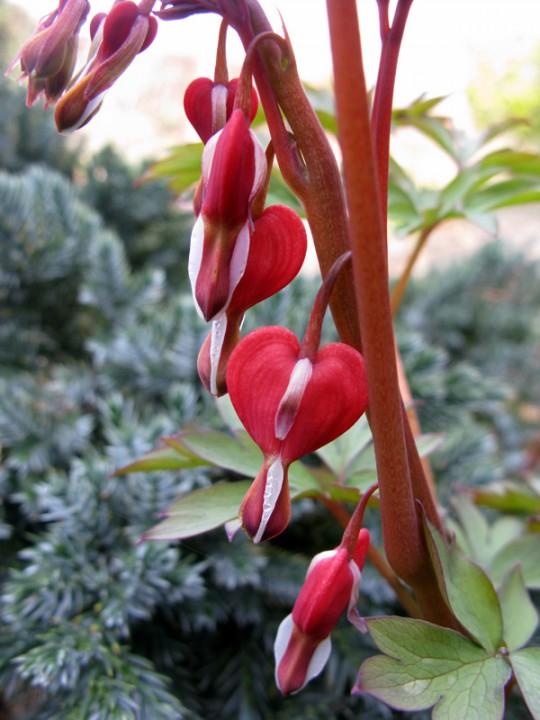
Bleeding Heart is all about the drama of simplicity. Feathery, finely-dissected foliage creates soft mounds of delicate green that would be pretty on their own—but then the flowers arrive to steal the show. Pendant-like flowers in jewel-toned pink and white hang from gracefully arching stems throughout late spring and early summer. Each heart-shaped bloom is about an inch long, perfectly formed, and slightly waxy to the touch. The white inner petals peek out from beneath the pink outer ones, giving the flower its distinctive “bleeding” appearance. This is a plant that photographs beautifully and looks equally stunning in person, whether you’re standing a foot away or viewing it from across the garden.
Growing it in your garden
Here’s what makes Bleeding Heart so appealing to Connecticut gardeners: it actually prefers the conditions that challenge so many other plants. This is your shade-loving friend, thriving in dappled light beneath deciduous trees or along the north side of your home where many other perennials sulk. It’s not fussy about soil type, though it does appreciate rich, well-draining soil with plenty of organic matter worked in. Plant it in spring or early fall, positioning each plant about 18 inches apart. Water regularly during establishment, and you’ll be rewarded with a plant that settles in beautifully and comes back stronger each year.
Through the seasons
Bleeding Heart has a distinct rhythm that works beautifully in the shade garden. Spring brings the emergence of those ethereal, lacy leaves that unfurl in soft, almost chartreuse-tinged green. By late May and June, the magical flowers appear, creating weeks of delicate beauty. Here’s something important to know: by mid-summer, particularly in warmer seasons or during dry spells, the foliage will naturally fade and go dormant. This is completely normal and not a sign something’s wrong. The plant is simply conserving energy, which is why planting it near later-emerging hostas or ferns works beautifully—they fill in the space where Bleeding Heart has gracefully faded. Come fall, the plant rests quietly underground, completely winter-hardy and ready to emerge again next spring.
Where it shines
Bleeding Heart absolutely sings in shade gardens, making it one of the most valuable plants for those tricky spots under mature trees. Plant it near a seating area where you can enjoy the flowers up close in the morning light. It’s stunning along woodland borders, nestled into shade-garden vignettes, and absolutely perfect for cottage garden aesthetics. Because it prefers consistent moisture and tolerates clay soil reasonably well, it’s also a thoughtful choice for areas where drainage is slow. In New England gardens, it’s genuinely low-maintenance once established—no staking, no fussing, just reliable beauty year after year.
Perfect companions
Pair Bleeding Heart with shade-lovers that provide contrast and fill in after it goes dormant. HOSTA varieties create beautiful texture and color plays beside the delicate foliage. Japanese ANEMONE comes into its own as Bleeding Heart fades, providing late-season color. The ferny texture of ASTILBE complements the feathery foliage perfectly. PULMONARIA adds spotted foliage interest, and EPIMEDIUM provides delicate charm at ground level. The combination creates a sophisticated, layered shade garden that looks good from spring through fall.
Care tips
Mulch around plants with 2-3 inches of compost or composted bark in spring, which helps retain moisture and enriches the soil. Water consistently during the growing season, particularly if spring is dry. The plant naturally goes dormant in summer heat—this is your signal to let it rest and simply enjoy the other plants in that space. Divide clumps in early spring or fall if you want to propagate new plants; DICENTRA SPECTABILIS shares beautifully. There’s no need to deadhead the flowers unless you want to, and you can leave the foliage alone when it fades—nature’s way works perfectly fine. In Connecticut winters, you need do absolutely nothing; this plant is completely cold-hardy and requires no winter protection.
Quick facts
- Hardiness Zone: Zones 3-9 (extremely winter-hardy in Connecticut)
- Mature Height & Spread: 24-36 inches tall, 18-24 inches wide
- Bloom Season: Late May through June
- Light Requirements: Partial to full shade (2-4 hours filtered light)
- Water Needs: Consistent moisture; tolerates clay and slow-draining soil
- Available at: Both our retail and wholesale locations