
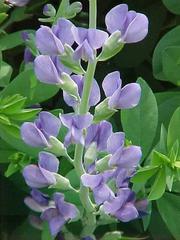
Description

BAPTISIA AUSTRALIS
If you’ve been searching for something that handles Connecticut’s unpredictable spring weather, adapts to almost any soil, and then rewards you with one of the most stunning blue flower displays in the entire garden—well, here it is. Blue False Indigo is the kind of plant that makes you wonder why it isn’t in every New England garden. It’s tough, it’s beautiful, and once it’s established, it asks very little of you while giving so much in return.
What it looks like
Blue False Indigo is a clump-forming perennial with an upright, vase-like structure that’s attractive even before the flowers arrive. The foliage is fine and delicate—soft, blue-green leaves that look almost feathery—creating a cloud-like texture in the garden. But when late spring arrives, BAPTISIA AUSTRALIS produces tall spikes of pea-like flowers in a true, luminous blue that seems almost impossible to find in the plant world. The flower spikes can reach 3 to 4 feet tall, creating a dramatic vertical element that catches every bit of morning light. After the flowers fade, the plant develops distinctive charcoal-black seed pods that are equally ornamental and add late-season interest well into fall.
Growing it in your garden
Here’s what makes Blue False Indigo so appealing to Connecticut gardeners: it’s genuinely unfussy. Once established, it’s extremely drought tolerant—those deep taproots reach down and find water you didn’t even know was there. It prefers full sun and well-draining soil, but it’s remarkably forgiving about soil type. Sandy, clay, rocky, average—BAPTISIA AUSTRALIS handles it all. It’s also nitrogen-fixing, which means it actually improves your soil over time. This is a plant that settles in and gets stronger with age rather than weaker.
The one thing to know: it’s slow to emerge in spring. Don’t panic if neighboring perennials are already leafing out and Blue False Indigo seems dormant. Mark its location so you don’t accidentally dig it up. It breaks dormancy when soil temperatures warm up, typically in late April or early May in Connecticut. Once it starts growing, it moves quickly.
Through the seasons
Spring brings that unforgettable flower show—typically peaking in May and early June. The blooms last for several weeks, attracting native bees and creating a stunning focal point. Summer foliage remains attractive and fine-textured even in heat and humidity. As temperatures climb, the leaves stay a pleasant blue-green, never getting tired or stressed-looking. Fall transitions bring those dramatic black seed pods that persist through winter, adding architectural interest to the dormant garden. Many gardeners actually prefer to cut back Blue False Indigo in late fall or very early spring rather than removing the pod-laden stems earlier, since they’re so striking in the winter landscape.
Where it shines
Use Blue False Indigo at the back of perennial borders where its height creates a strong backbone planting. Plant it in groups of three for maximum impact—the grouped blue spikes create an almost architectural effect. It’s perfect for cottage gardens, native plant gardens, and meadow-style plantings. Because it’s so drought tolerant once established, it’s ideal for rain gardens and areas where supplemental watering isn’t always available. The structural quality of both the flowers and seed pods makes it valuable for gardeners interested in winter interest and year-round garden design.
Perfect companions
Pair Blue False Indigo with alliums for a monochromatic blue display. Coral bells (HEUCHERA) offer wonderful foliage contrast below. Russian Sage (PEROVSKIA ATRIPLICIFOLIA) echoes the airy texture and extends the blue theme into late summer. Creeping sedums work beautifully at the edges, and ornamental grasses like Panicum or Miscanthus complement the vertical flower spikes while adding movement. For a spring combo, pair it with bleeding heart for soft pink tones, or with tulips in cream or white varieties.
Care tips
Plant Blue False Indigo in full sun—at least six hours daily. While it tolerates part shade, you’ll get more flowers in full sun. Space plants about 3 feet apart, as they can develop substantial width. Avoid moving or dividing established plants; they prefer to stay put and can be slow to recover from disturbance. Water regularly the first year while establishing a strong root system, then back off dramatically. You shouldn’t need to stake or fuss with this plant. Cut back spent flower spikes if you prefer, or leave them for the seed pod show. Fertilizing is completely unnecessary—remember, this plant enriches its own soil.
Quick facts
- Hardiness Zone: Zones 3-9
- Mature Height & Spread: 3-4 feet tall, 3-4 feet wide
- Bloom Season: Late May through June
- Light Requirements: Full sun (6+ hours daily)
- Water Needs: Low once established; moderate during first growing season
- Available at: Both our retail and wholesale locations