FESTUCA GLAUCA

What if the answer to your garden’s color palette was measured in inches, not feet? Blue Fescue might just be the little plant with the outsized impact you’ve been looking for. This isn’t just another ornamental grass—it’s a living jewel that brings cool, silvery-blue tones to garden beds, rock gardens, and containers, looking perfectly at home in Connecticut gardens where it thrives without fussing. If you’ve ever wanted to add an unexpected pop of color that’s subtle yet striking, Blue Fescue is your answer.

What it looks like

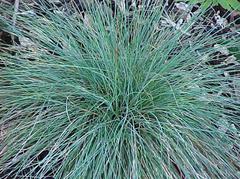
Blue Fescue forms dense, compact mounds of ultra-fine, needle-like foliage in stunning shades of blue-gray to silver-blue. The color is most intense in spring and fall, and under good light conditions, it practically glows. In early summer, delicate flower spikes in pale yellow or blue emerge above the foliage, adding an ethereal quality to the plant. The overall effect is tidy and architectural—imagine a tiny, blue-toned porcupine, but one you’ll actually want to touch (though you might want to wear gloves, as the foliage can be slightly prickly). Mature plants form neat mounds that look like they’ve been groomed with precision, even when you’re doing minimal work.

Growing it in your garden

Here’s what makes Blue Fescue a winner in Connecticut: it’s unfussy about most things. Plant it in well-draining soil—this is the key to its happiness. It doesn’t demand rich, amended earth; in fact, it prefers leaner conditions. Too much fertility can actually push the plant toward lush green growth instead of that stunning blue color you’re after. Position it where it gets full sun (at least six hours daily, more is better), and it’ll reward you with more vibrant coloring. The plant is drought-tolerant once established, making it excellent for locations where supplemental watering might be inconvenient. In our Connecticut climate, Blue Fescue handles the cold beautifully, so winter hardiness isn’t a concern.

Through the seasons

Spring arrives, and Blue Fescue emerges with fresh, intensely colored foliage—this is when the blue is most pronounced and eye-catching. Early summer brings those airy flower spikes that add movement and texture. By midsummer, if you deadhead spent flowers, the plant maintains its neat mound shape. In fall, colors often intensify again as cooler temperatures return. Winter? The foliage holds its structure and color beautifully, providing interest to the dormant garden. This is a plant that works year-round, never truly checking out on you.

Where it shines

Blue Fescue is a star player in rock gardens and alpine troughs, where its compact size and architectural form feel at home. It’s perfect for the front of perennial borders, where it adds color without shading out nearby plants. Containers are another ideal home—plant Blue Fescue in a pot or mixed border container, and it brings consistent color and texture all season. On slopes or areas prone to erosion, its shallow, spreading root system helps stabilize soil while looking beautiful doing it. It’s also excellent for garden edges, pathways, and anywhere you want a small accent of cool color without maintenance headaches.

Perfect companions

Blue Fescue plays beautifully with other sun-loving perennials and ornamental grasses. Pair it with sedums and sempervivums for a succulent rock garden feel. It coordinates gorgeously with warm-toned flowers—think red bee balm, orange daylilies, or golden yarrow. Other fine-textured ornamental grasses like Stipa or pink muhly provide nice contrast. In containers, combine it with trailing ivy, silvery dusty miller, or purple-foliaged plants like alternanthera for sophisticated color combinations.

Care tips

Once established, Blue Fescue needs minimal maintenance. Water regularly during its first season to help roots develop, then taper off—it’s quite drought-tolerant. Avoid overwatering in cool, wet weather; the plant can develop root rot if kept soggy. Deadheading spent flowers encourages bushier growth and prolongs the tidy appearance, though it’s not mandatory. In spring, you can gently comb through the foliage with your fingers to remove any dead material from the center of the plant. Don’t cut it back severely like you might other ornamental grasses; instead, do light tidying. If your plant begins to decline after a few years, it may have exhausted its lifespan (they typically live 5–7 years in the garden), and replacing it with a fresh plant is often easier than attempting rejuvenation.

Quick facts

  • Hardiness Zone: 4–9
  • Mature Height & Spread: 8–12 inches tall and wide
  • Bloom Season: Early to mid-summer
  • Light Requirements: Full sun (6+ hours daily)
  • Water Needs: Low once established; prefers dry to moderate conditions
  • Available at: Both our retail and wholesale locations

Blue fescue

Category:

Easily grown in average, dry to medium, well-drained soils in full sun. Tolerates light shade, but best foliage color is in full sun. Tolerant of drought and poor soils. Intolerant of wet, poorly-drained soils. Foliage is semi-evergreen. In St. Louis, the foliage may retain good color in mild winters, but clumps will show considerable browning in harsh winters.

Pot Size (gallons), Height: #1

Description

FESTUCA GLAUCA

What if the answer to your garden’s color palette was measured in inches, not feet? Blue Fescue might just be the little plant with the outsized impact you’ve been looking for. This isn’t just another ornamental grass—it’s a living jewel that brings cool, silvery-blue tones to garden beds, rock gardens, and containers, looking perfectly at home in Connecticut gardens where it thrives without fussing. If you’ve ever wanted to add an unexpected pop of color that’s subtle yet striking, Blue Fescue is your answer.

What it looks like

Blue Fescue forms dense, compact mounds of ultra-fine, needle-like foliage in stunning shades of blue-gray to silver-blue. The color is most intense in spring and fall, and under good light conditions, it practically glows. In early summer, delicate flower spikes in pale yellow or blue emerge above the foliage, adding an ethereal quality to the plant. The overall effect is tidy and architectural—imagine a tiny, blue-toned porcupine, but one you’ll actually want to touch (though you might want to wear gloves, as the foliage can be slightly prickly). Mature plants form neat mounds that look like they’ve been groomed with precision, even when you’re doing minimal work.

Growing it in your garden

Here’s what makes Blue Fescue a winner in Connecticut: it’s unfussy about most things. Plant it in well-draining soil—this is the key to its happiness. It doesn’t demand rich, amended earth; in fact, it prefers leaner conditions. Too much fertility can actually push the plant toward lush green growth instead of that stunning blue color you’re after. Position it where it gets full sun (at least six hours daily, more is better), and it’ll reward you with more vibrant coloring. The plant is drought-tolerant once established, making it excellent for locations where supplemental watering might be inconvenient. In our Connecticut climate, Blue Fescue handles the cold beautifully, so winter hardiness isn’t a concern.

Through the seasons

Spring arrives, and Blue Fescue emerges with fresh, intensely colored foliage—this is when the blue is most pronounced and eye-catching. Early summer brings those airy flower spikes that add movement and texture. By midsummer, if you deadhead spent flowers, the plant maintains its neat mound shape. In fall, colors often intensify again as cooler temperatures return. Winter? The foliage holds its structure and color beautifully, providing interest to the dormant garden. This is a plant that works year-round, never truly checking out on you.

Where it shines

Blue Fescue is a star player in rock gardens and alpine troughs, where its compact size and architectural form feel at home. It’s perfect for the front of perennial borders, where it adds color without shading out nearby plants. Containers are another ideal home—plant Blue Fescue in a pot or mixed border container, and it brings consistent color and texture all season. On slopes or areas prone to erosion, its shallow, spreading root system helps stabilize soil while looking beautiful doing it. It’s also excellent for garden edges, pathways, and anywhere you want a small accent of cool color without maintenance headaches.

Perfect companions

Blue Fescue plays beautifully with other sun-loving perennials and ornamental grasses. Pair it with sedums and sempervivums for a succulent rock garden feel. It coordinates gorgeously with warm-toned flowers—think red bee balm, orange daylilies, or golden yarrow. Other fine-textured ornamental grasses like Stipa or pink muhly provide nice contrast. In containers, combine it with trailing ivy, silvery dusty miller, or purple-foliaged plants like alternanthera for sophisticated color combinations.

Care tips

Once established, Blue Fescue needs minimal maintenance. Water regularly during its first season to help roots develop, then taper off—it’s quite drought-tolerant. Avoid overwatering in cool, wet weather; the plant can develop root rot if kept soggy. Deadheading spent flowers encourages bushier growth and prolongs the tidy appearance, though it’s not mandatory. In spring, you can gently comb through the foliage with your fingers to remove any dead material from the center of the plant. Don’t cut it back severely like you might other ornamental grasses; instead, do light tidying. If your plant begins to decline after a few years, it may have exhausted its lifespan (they typically live 5–7 years in the garden), and replacing it with a fresh plant is often easier than attempting rejuvenation.

Quick facts

  • Hardiness Zone: 4–9
  • Mature Height & Spread: 8–12 inches tall and wide
  • Bloom Season: Early to mid-summer
  • Light Requirements: Full sun (6+ hours daily)
  • Water Needs: Low once established; prefers dry to moderate conditions
  • Available at: Both our retail and wholesale locations