
Description
AGASTACHE ‘BLUE FORTUNE’
If you’ve been searching for a plant that actually earns its space in your Connecticut garden—one that brings hummingbirds, butterflies, and bees while asking for almost nothing in return—stop looking. Blue Fortune Hummingbird Mint is that rare combination of stunning, reliable, and genuinely low-maintenance. This is the plant seasoned gardeners plant in multiples because they know it’ll deliver year after year.
What it looks like
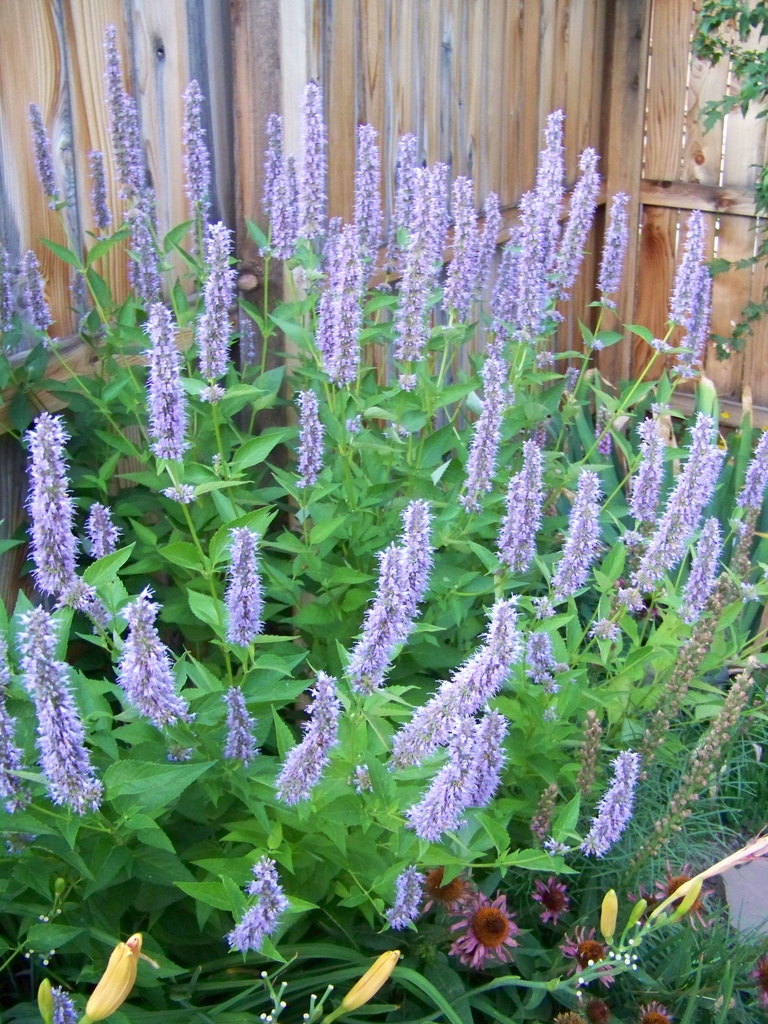
Picture tall spires of the most appealing blue-violet flowers rising above soft, aromatic foliage. Blue Fortune grows into a neat, upright mound with lance-shaped leaves that smell faintly minty when you brush past them. The flowers arrive in dense, elongated spikes that seem to glow against the silvery-green foliage, creating an almost architectural quality in the garden. Plants typically reach about 24 to 30 inches tall, giving you that important height layer without becoming gangly or floppy. The overall effect is tidy and refined, the kind of plant that looks equally at home in a cottage garden or a contemporary landscape.
Growing it in your garden
This is where Blue Fortune really shines for New England gardeners. AGASTACHE ‘BLUE FORTUNE’ practically thrives on being ignored. Give it full sun—at least six hours, though eight or more is ideal—and well-draining soil, and it’s genuinely happy. Unlike so many beautiful plants, it doesn’t demand rich, amended soil. In fact, poor to average soil is perfectly fine. It’s also one of the most drought-tolerant perennials you can grow once established, making it a smart choice if you’re tired of watching your garden during hot Connecticut summers. Plant it in spring or early fall, space plants 18 to 24 inches apart, and water regularly for the first few weeks to help roots establish. After that, you can mostly step back and enjoy.
Through the seasons
Spring arrives and Blue Fortune emerges late—don’t panic if your garden looks bare in April. By late May or early June, you’ll see vigorous growth and the first flower buds beginning to form. Summer is when this plant truly performs, with continuous blooms from mid-June through September if you deadhead spent flowers (though honestly, even without deadheading, it stays beautiful). The flowers age gracefully to dusty blue-purple tones. Fall arrives and the plant gradually tones down, but the seed heads remain attractive well into winter, providing late-season interest and food for seed-eating birds. Come true cold weather, cut it back to a few inches above the ground in late fall or early spring. It reliably returns each year in zones 5 through 10, which means Connecticut gardeners need zero winter worry.
Where it shines
Blue Fortune is practically made for mixed perennial borders where it plays beautifully with almost everything else. Use it in groups of three or five for maximum impact. It’s excellent in pollinator gardens—the hummingbirds and butterflies will thank you starting the moment those first flowers open. Plant it along driveways or walkways where you’ll brush against the foliage and release that pleasant minty scent. It’s also genuinely wonderful in containers on sunny patios, where you can really appreciate the hummingbird visits up close. Because it tolerates dry conditions, it’s perfect for rock gardens and areas where you’ve struggled to keep other perennials happy. Gardeners with sandy or rocky soil, take note: this is your friend.
Perfect companions
Blue Fortune looks stunning with other pollinator favorites. Pair it with purple coneflowers (ECHINACEA), black-eyed Susans (RUDBECKIA), and ornamental grasses like Russian sage (PEROVSKIA) for a vibrant, textural combination. It also plays nicely with daylilies, summer phlox, and zinnias if you want to mix in some warm tones. The cool blue-violet flowers provide excellent contrast to yellow and orange neighbors, creating visual pop in late summer when the garden needs it most.
Care tips
Plant in spring for best results and water regularly the first season. Once established, water only during extended dry spells—and honestly, this plant usually doesn’t require supplemental watering in Connecticut unless we’re in genuine drought conditions. Deadhead spent flowers if you want to encourage continuous blooming, but it’s not strictly necessary. In late fall or early spring, cut the entire plant back to about 3 inches above the ground. No fertilizer needed. Watch for spider mites on stressed plants in extreme heat, but this is rare with proper siting. That’s really it—this is truly one of the easiest perennials to grow.
Quick facts
- Hardiness Zone: 5–10 (reliable throughout Connecticut)
- Mature Height & Spread: 24–30 inches tall, 18–24 inches wide
- Bloom Season: June through September
- Light Requirements: Full sun (6–8 hours minimum)
- Water Needs: Drought-tolerant once established; water regularly first season
- Available at: Both our retail and wholesale locations.