
Description

ILEX CRENATA ‘BLUE PACIFIC’
Here’s the honest truth about Blue Pacific Holly: it’s the plant that makes people stop mid-conversation and ask, “What is that beautiful thing?” Unlike the spiky, red-berried hollies you might picture, ILEX CRENATA ‘BLUE PACIFIC’ is an entirely different creature—one that brings refined elegance and unexpected personality to Connecticut gardens. This Japanese holly cultivar is like discovering a sophisticated European secret hiding in your own backyard.
What it looks like
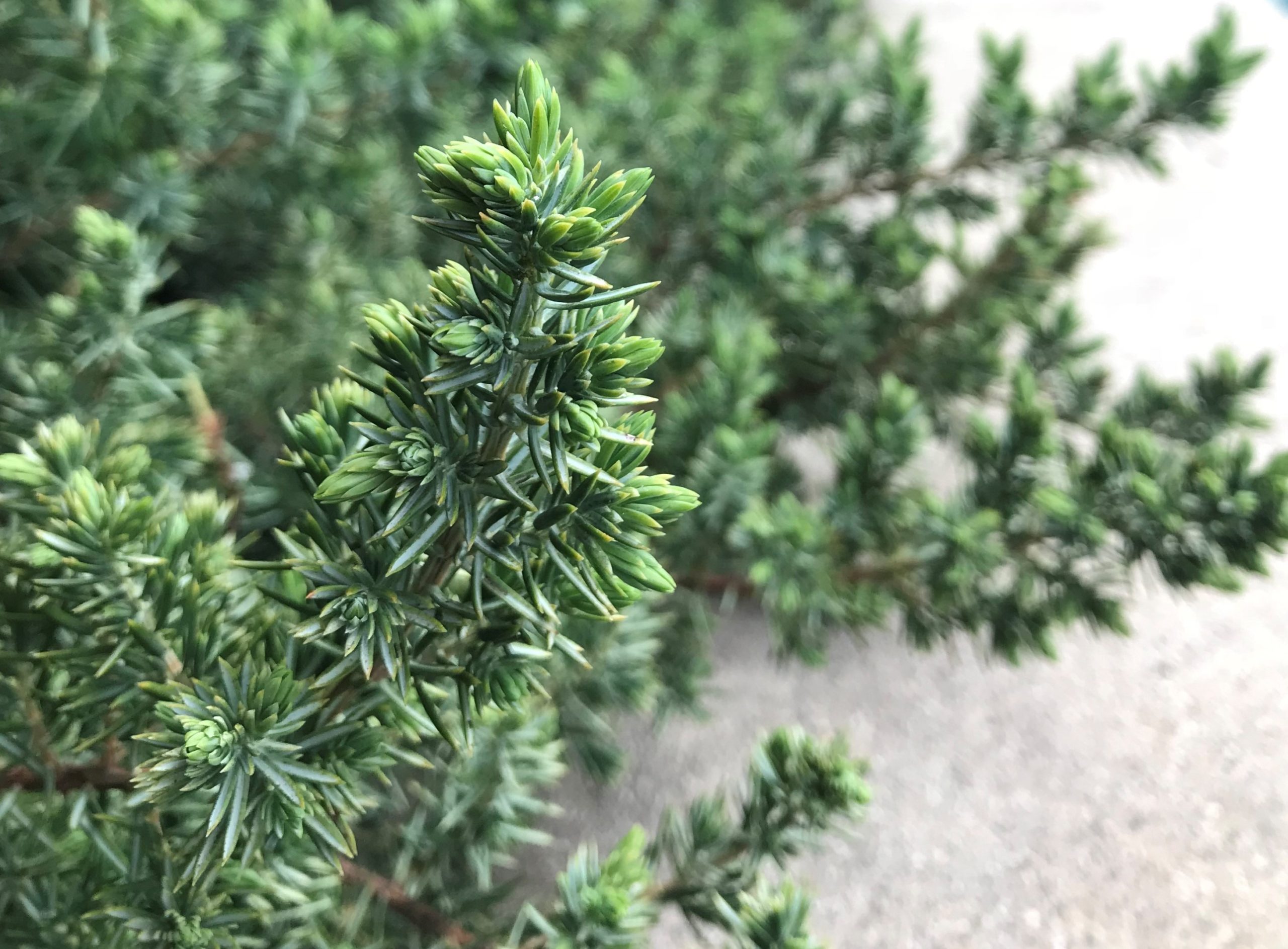
Blue Pacific is a plant that rewards close inspection. Its tiny, lustrous dark green leaves are so finely textured they almost look feathery, creating a soft, refined appearance that’s worlds away from coarser shrubs. In spring and early summer, delicate white flowers appear, almost invisible against the foliage but wonderfully fragrant if you lean in close. By late summer and fall, tiny black berries emerge—these aren’t showy, but they add subtle interest and support pollinators. The overall effect is one of dense, mounding elegance, with a natural rounded habit that looks like it was designed by a master gardener even when left unpruned. The foliage deepens to a bluish-purple tone in winter, which is where the “Blue” in its name comes from—a stunning surprise when snow dusts the branches.
Growing it in your garden
Blue Pacific Holly thrives in New England gardens, proving surprisingly adaptable to our variable Connecticut climate. It prefers full sun to part shade, though it’s one of those plants that handles afternoon shade beautifully. The real gift? It’s not picky about soil, tolerating everything from sandy to clay-based earth, though it prefers slightly acidic conditions. It’s also remarkably fine-textured, making it perfect for those of us with limited space or a desire for a plant that takes up visual room without sprawling all over the place. This is a plant that matures gradually, giving you years to enjoy its developing form.
Through the seasons
Spring arrives with fine white flowers that perfume the air in ways most people don’t expect from a holly. Summer is when Blue Pacific settles into its deep green presentation, looking cool and collected through Connecticut’s humidity. Fall brings those subtle black berries if you’ve got a male pollinator nearby—consider planting a male ILEX CRENATA ‘Sky Pencil’ or similar cultivar nearby for fruit production. Winter is when this plant truly shines: that dusky blue-purple winter foliage is absolutely exquisite, and the dense structure holds snow beautifully without breaking under weight. Even in February, when most gardens look exhausted, Blue Pacific stands there looking dignified and alive.
Where it shines
This is your plant for foundation plantings that need sophistication rather than scale. Blue Pacific excels as a focal point near entryways, where its fine texture can be truly appreciated. It’s wonderful in containers on patios or decks—try pairing it with white flowering perennials or silvery foliage plants for stunning contrast. In the garden, it works beautifully in Asian-inspired designs, coastal-style landscapes, or anywhere you want a touch of refined restraint. It’s also perfect for that awkward corner where you need something that won’t take over, or that narrow space between your door and your neighbor’s property line. Use it in groupings of three for layered depth, or scatter singles throughout a mixed border for texture.
Perfect companions
Blue Pacific’s refined texture pairs beautifully with bold foliage—try planting it near Japanese Maples, Viburnum, or ornamental grasses. White flowering companions like Pieris, Rhododendrons, or Hydrangeas create lovely contrast. For groundcovers, Vinca or sweet woodruff weaving around its base adds another textural layer. In containers, combine it with white impatiens, variegated ivy, or cream-colored hostas for season-long beauty.
Care tips
Water regularly during the first growing season to establish deep roots, then Blue Pacific becomes quite drought-tolerant once established. It’s nearly pest-free in Connecticut gardens—one of those plants that just gets along. Pruning is optional since the plant naturally develops a beautiful rounded form, though you can gently shape it if desired. No fertilizer needed; this is a low-maintenance performer. In exceptionally cold Connecticut winters, provide afternoon shade in the harshest zone 5 locations, though this plant is genuinely hardy throughout the state.
Quick facts
- Hardiness Zone: 5-8 (hardy throughout Connecticut)
- Mature Height & Spread: 4-6 feet tall, 5-8 feet wide
- Bloom Season: Late spring to early summer
- Light Requirements: Full sun to part shade
- Water Needs: Moderate; drought-tolerant once established
- Available at: Both our retail and wholesale locations