
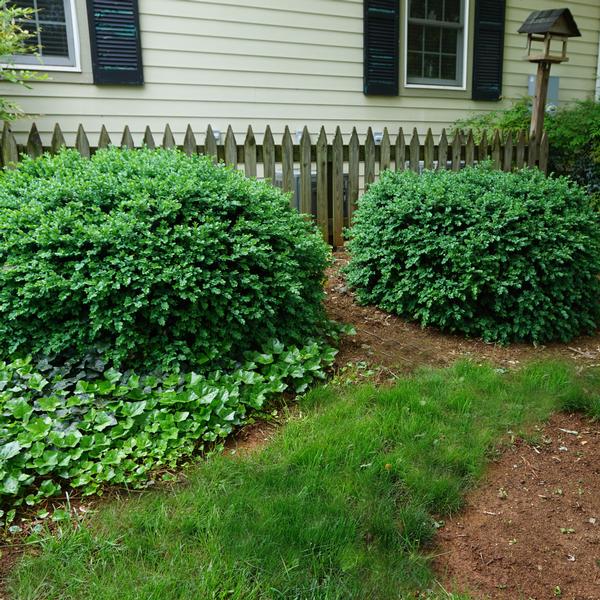
Description
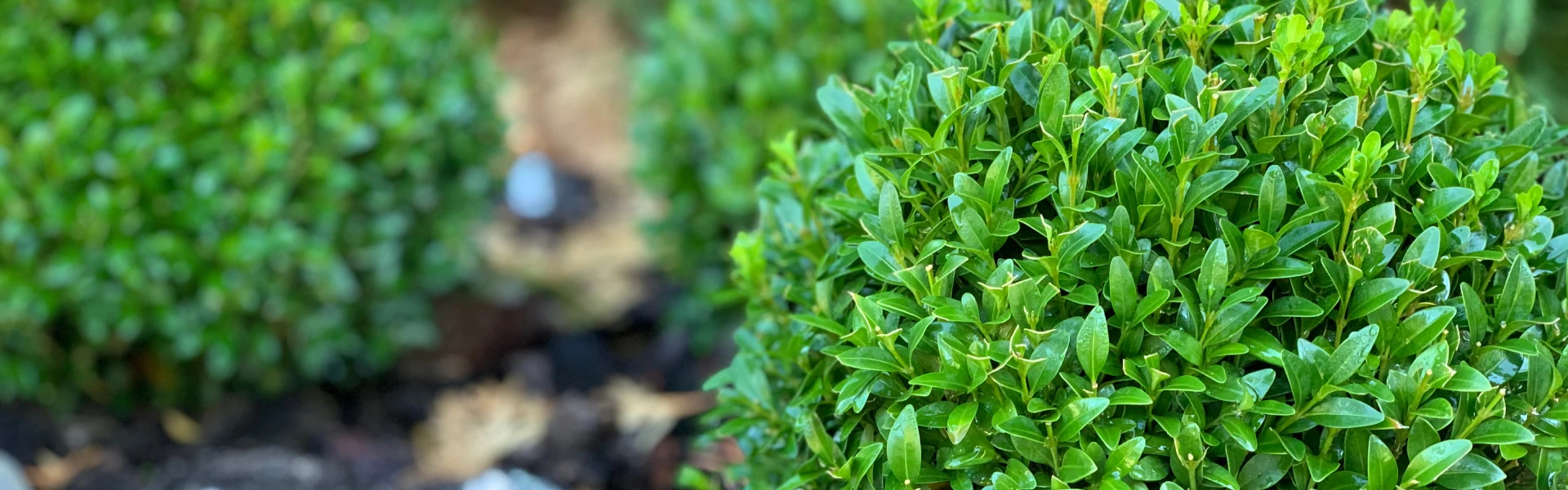
BUXUS SEMPERVIRENS
If you’ve been searching for the backbone of a New England garden—that reliable, elegant woody structure that makes everything else look intentional—boxwood is your answer. This evergreen has been anchoring Connecticut gardens for generations, and honestly, there’s a reason why. It’s the plant that whispers sophistication while asking almost nothing in return.
What it looks like
Boxwood presents itself with understated refinement. You’re looking at dense, fine-textured foliage in a rich, deep green that holds its color through the greyest Connecticut winters. The tiny leaves are arranged in pairs along woody stems, creating a compact, almost cloud-like silhouette that invites pruning and shaping. Even untrimmed, it maintains a naturally neat appearance that feels intentional rather than accidental. In spring, you’ll notice small, fragrant flowers tucked within the foliage—they’re modest and easy to miss, but lovely if you pause to appreciate them.
Growing it in your garden
Here’s what makes boxwood such a garden workhorse: it’s not fussy. It prefers well-draining soil with a neutral to slightly alkaline pH, and while it can tolerate some shade, it truly thrives in partial sun to partial shade. This is perfect for those tricky spots where you need year-round structure but don’t have full southern exposure. Boxwood actually appreciates afternoon shade in Connecticut summers, especially if your garden faces west. The key is air circulation—these plants love a gentle breeze that keeps their foliage dry and healthy.
Through the seasons
Spring brings fresh, bright growth and those delicate, vanilla-scented flowers that pollinators appreciate. Summer is when boxwood’s true value shows—while other plants may wilt or languish, your boxwoods remain steadfast and perfectly groomed-looking. Fall and winter are where boxwood really earns its place in the garden. While deciduous plants leave you with bare branches, boxwoods deliver that essential structure and greenery that keeps the winter landscape from feeling completely dormant. Some varieties take on bronze or purple tones in cold weather, which is a beautiful bonus rather than a sign of distress.
Where it shines
Boxwoods are traditional sentries for formal gardens—flanking doorways, edging beds, creating hedge walls. But they’re equally at home in contemporary landscapes, where they serve as textural contrast against grasses and architectural plants. They’re exceptional in containers, where their compact growth habit means you’re not dealing with massive shrubs. Smaller varieties make excellent edging plants for borders and beds, while larger selections create privacy hedges or sculptural focal points. If you’re designing a garden you want to look polished year-round, boxwood is your starting point.
Perfect companions
Boxwoods partner beautifully with shade-tolerant perennials like hellebores, HEUCHERA, and autumn fern. Their cool green tone is a perfect backdrop for flowering shrubs like hydrangeas and viburnums. Try pairing them with ornamental grasses for a play of fine texture against bold form. They also work wonderfully alongside other evergreens—pairing a formal boxwood hedge with feathery THUJA or the dark drama of hollies creates sophisticated depth and interest.
Care tips
Boxwoods are genuinely low-maintenance, but a few practices will keep them thriving. Water regularly during establishment (the first two years) and during Connecticut’s dry summers. Once established, they’re quite drought-tolerant, though they prefer consistent moisture. Prune in late spring or early summer when the plant is actively growing—light pruning encourages dense, attractive growth. Heavy pruning is fine, too; boxwoods respond vigorously. Avoid pruning in late fall, as new tender growth won’t harden off before winter. Watch for spider mites in hot, dry conditions and leafminers, which are Connecticut residents, but a healthy boxwood typically shrugs these off. Good air circulation is your best defense. If you’re growing boxwood as a formal hedge, plan on annual pruning to maintain crisp lines and density.
Quick facts
- Hardiness Zone: Zones 5-9 (perfect for Connecticut)
- Mature Height & Spread: Varies by variety; typically 3-20 feet, depending on selection
- Bloom Season: Spring (March-April)
- Light Requirements: Partial sun to partial shade
- Water Needs: Moderate; prefers consistent moisture but tolerates some drought once established
- Available at: Both our retail and wholesale locations