
Description
CALLICARPA DICHOTOMA
What if you could have a shrub that offers virtually nothing interesting for six months, then absolutely stuns your garden for the second half of the year? The Purple Beautyberry is that delightful contradiction—a late bloomer in every sense. While spring and early summer are quiet, unassuming affairs, come late August, this deciduous shrub transforms into something almost magical, producing clusters of luminous purple berries that seem to glow against the fading Connecticut summer light. These aren’t just pretty to look at; they’re a genuine showstopper that will have garden visitors asking what that incredible plant is.
What it looks like
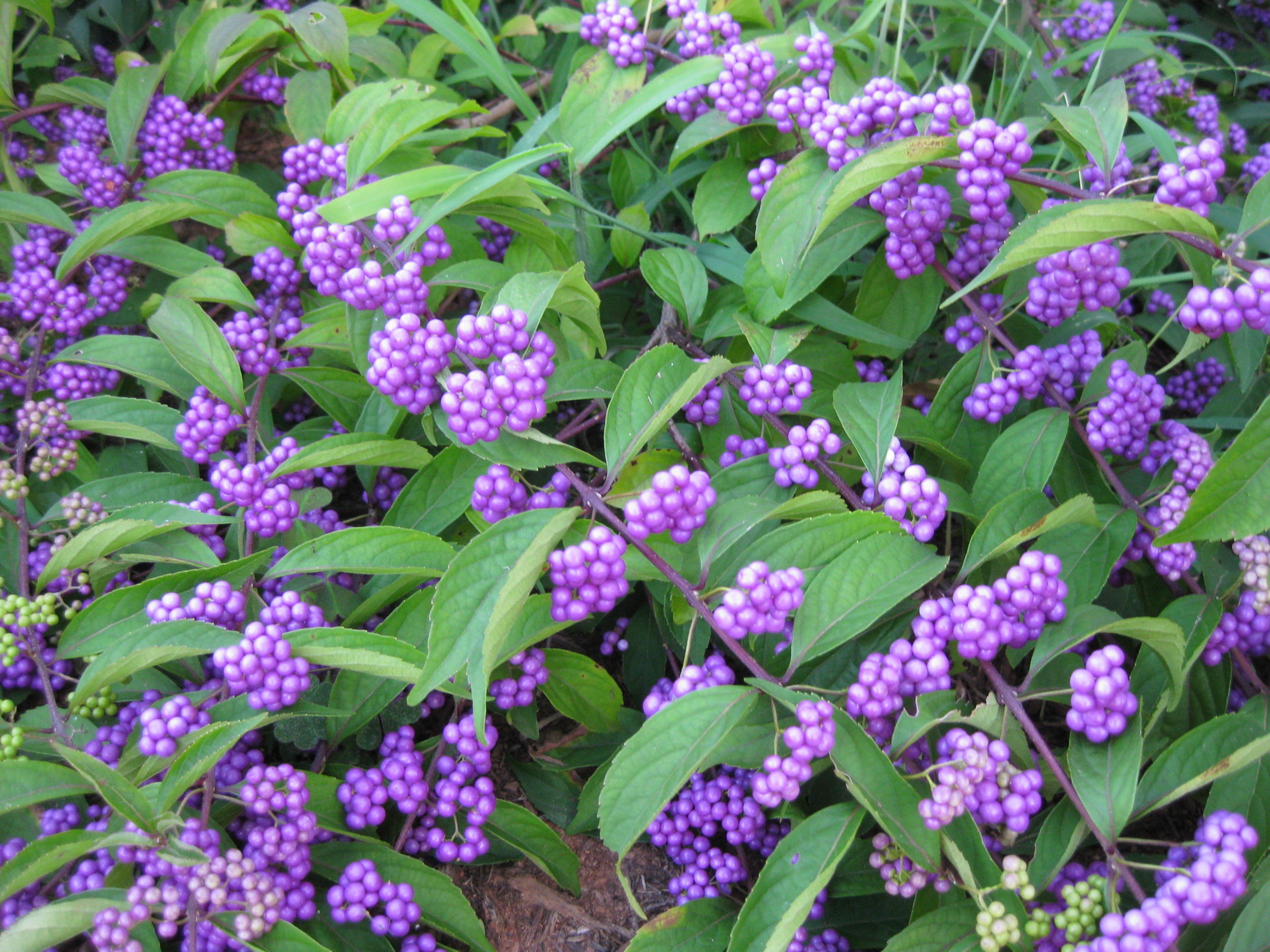
The Purple Beautyberry is an airy, upright shrub that grows 3 to 4 feet tall with an equally generous spread. The foliage is fine and delicate—narrow, lance-shaped leaves in a fresh green that won’t command much attention on its own. But those berries. In late summer and through fall, small delicate flowers are followed by the real stars: tiny, round fruits that cluster densely along the stems in shades ranging from soft lavender to deep violet-purple. These berries cling to the branches even after the leaves have dropped, creating a striking skeleton of purple jewels against the autumn and winter landscape. The berries are also beloved by birds, so don’t be surprised if cardinals and thrushes visit repeatedly throughout the season.
Growing it in your garden
CALLICARPA DICHOTOMA is refreshingly flexible about where you plant it. It thrives in full sun to part shade, making it useful for those trickier spots in your Connecticut garden where you want some color but can’t commit to a full-sun location. Soil-wise, it’s equally accommodating—it handles average to slightly sandy soil without complaint. The shrub prefers consistent moisture during its first growing season, but once established, it’s quite drought-tolerant, which is increasingly valuable as our New England summers become less predictable. Plant it in spring for the best establishment.
One important note: Purple Beautyberry flowers on new growth, which means you’ll want to prune it in early spring, removing about a third of the oldest canes at ground level. This encourages fuller, more vigorous growth and more blooms—and therefore more of those stunning berries you’re really after. If you skip pruning, the shrub won’t suffer, but it will become leggy and produce fewer berries.
Through the seasons
Spring brings minimal fanfare—new leaves emerge in a soft green, and the plant looks somewhat gangly and unremarkable. Summer is when you do your pruning work and simply let it fill out. By early July, delicate pale pink or lavender flowers appear in the leaf axils, inconspicuous but charming if you get close. Then comes the magic moment in late August when the berries begin to form and mature, transforming the entire plant. Through September, October, and even into November (depending on how harsh the weather gets), those purple berries create a focal point in the garden. Come winter, the deciduous leaves drop, leaving the berry-laden branches as a sculptural element. By December or January, birds will have usually stripped most of the berries, but the plant rests quietly, ready for its spring pruning and next year’s performance.
Where it shines
Plant Purple Beautyberry where you need late-season color and visual interest. It’s perfect for the back of a mixed border, where its early-season blandness won’t be as noticeable but its fall and winter berries will create depth. It also works beautifully as a specimen shrub in a spot where you can appreciate it from a distance—perhaps visible from a window or at the edge of a patio. Because birds love the berries, positioning it where you can watch the wildlife activity adds another layer of garden enjoyment. It’s also excellent for creating structure in a naturalistic planting scheme, especially if combined with late-blooming perennials like asters or goldenrod.
Perfect companions
Pair Purple Beautyberry with plants that look good earlier in the season to cover for its slow start. Summer-blooming hydrangeas, rudbeckia, and coneflowers will fill the visual gap. For year-round interest, combine it with ornamental grasses like panicum or miscanthus—the berries will weave beautifully through those vertical elements. Evergreen companions like boxwood or dwarf conifers provide winter structure around the bare berry-laden branches.
Care tips
Prune in early spring before new growth emerges. Water regularly during the first growing season; once established (after year two), it needs water mainly during extended drought. Purple Beautyberry isn’t bothered by pests or diseases in Connecticut gardens. If it gets too tall or leggy, don’t hesitate to cut it back hard—it responds vigorously to pruning. Expect better berry production in sunny locations, though it still performs acceptably in part shade.
Quick facts
- Hardiness Zone: 5–11 (thrives throughout Connecticut)
- Mature Height & Spread: 3–4 feet tall and wide
- Bloom Season: Late August through November berries; pale pink flowers in July
- Light Requirements: Full sun to part shade
- Water Needs: Moderate; drought-tolerant once established
- Available at: Both our retail and wholesale locations.