Blue Mist

CARYOPTERIS X CLANDONENSIS

What if one plant could deliver non-stop color from late summer straight through fall, attract butterflies by the dozens, and somehow thrive in hot, difficult spots where most things struggle? Blue Mist does exactly that—and it does it with such a delicate, ethereal grace that you’d never guess it was practically indestructible. This is the plant that keeps giving when everything else in your garden is winding down, transforming August into a celebration rather than the beginning of the end.

What it looks like

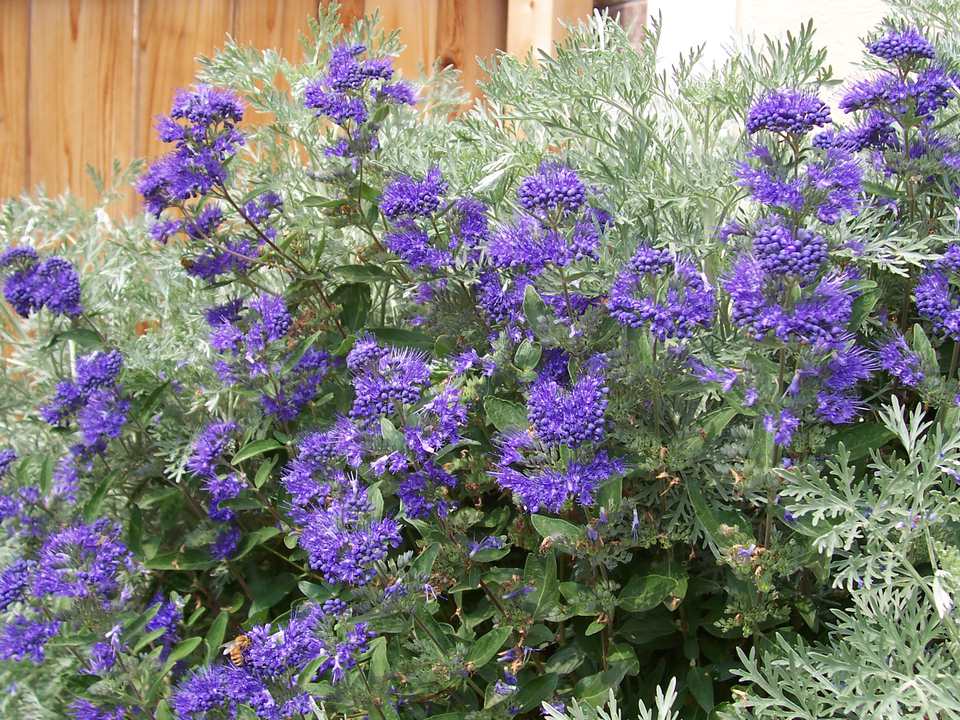
Blue Mist is a refined shrub that feels almost weightless in the garden. Airy branching creates an open, cottage-garden structure, typically growing as a loose mound about 2 to 3 feet tall and wide. But the real magic lies in the flowers: tiny, delicate blooms in shades of true blue to violet-blue, sometimes with a hint of purple, cluster along the stems in late summer. The narrow, gray-green foliage provides the perfect backdrop, creating that signature “misty” effect that gives the plant its name—like a soft blue cloud settling into your border. When the light hits it just right, especially in late afternoon, the entire plant seems to shimmer.

Growing it in your garden

Here’s what makes Blue Mist such a game-changer for Connecticut gardeners: it absolutely loves heat and drought once established. Plant it in full sun (at least 6 hours daily, more is better) in well-draining soil. It’s not fussy about soil fertility—in fact, it prefers leaner conditions. Overly rich soil can encourage floppy growth and fewer flowers. In New England gardens, Blue Mist performs beautifully in raised beds, against south-facing walls, and in those hot spots near driveways or patios where reflected heat would stress most plants. This is where Blue Mist thrives.

Through the seasons

Spring arrives quietly—Blue Mist leafs out later than many plants, so don’t panic if it seems slow to wake up. The gray-green foliage eventually fills in completely by early summer. July is still mostly green, but mid-August is when the show begins. Flowering continues in waves through September and often into October, giving you weeks of continuous color. As fall deepens and temperatures cool, the flowers take on warmer purple tones. In winter, leave the dried stems standing through the cold months—they add structure and texture to the dormant garden, and they protect the plant’s crown. Cut everything back in early spring (late April in Connecticut) just as new growth emerges, cutting back to 6 to 12 inches above the ground.

Where it shines

This is the plant you reach for when nothing else will cooperate. Hot, sunny borders? Perfect. Slope with poor, sandy soil? That’s Blue Mist’s happy place. Along the edge of a sunny driveway or terrace, in gravel gardens, in containers—Blue Mist excels in all these situations. It’s particularly valuable as a late-season nectar source in Connecticut gardens; monarchs, swallowtails, and native bees absolutely cannot resist it. Use it as the anchor of a late-summer border, where it will bridge the gap between mid-summer bloomers and fall mums. Even in smaller gardens, a single plant makes a real impact.

Perfect companions

Blue Mist pairs beautifully with ornamental grasses like Panicum and Miscanthus, their movement complementing the shrub’s airy structure. Pair it with pink or white Joe-Pye weed (EUTROCHIUM) for height variation, or with the silvery foliage of artemisia and Russian sage (PEROVSKIA). Sedums add late-season interest and attract the same pollinators. For a classic combination, plant Blue Mist with burgundy foliage plants like Heuchera or small purple-leafed Japanese Maples—the color contrast is stunning. Autumn asters in white or pink bloom simultaneously and look magical in combination.

Care tips

Water regularly the first season to establish a strong root system, then Blue Mist becomes remarkably drought-tolerant. In most Connecticut seasons, once established, supplemental watering is rarely needed. Fertilizer is unnecessary—the plant actually flowers better in lean conditions. Deadheading spent flower clusters will encourage more blooms, though you can skip this if you prefer a more relaxed look. Blue Mist is not aggressive and doesn’t require pruning beyond the annual early-spring cutback. No significant pests or diseases trouble it in New England gardens. It’s simply one of those low-maintenance, high-reward plants that make gardening feel less like work and more like pure pleasure.

Quick facts

  • Hardiness Zone: 5-9
  • Mature Height & Spread: 2-3 feet tall and wide
  • Bloom Season: Mid-August through October
  • Light Requirements: Full sun (6+ hours daily)
  • Water Needs: Low to moderate; drought-tolerant once established
  • Available at: Both our retail and wholesale locations.

Blue Mist

Category:

A fantastic blue flowering herbaceous shrub ideal for accents or for border.

Zoning: 6-9
Mature Height and Spread: 2-3’
Pot Size (gallons), Height: #3

Description

Blue Mist

CARYOPTERIS X CLANDONENSIS

What if one plant could deliver non-stop color from late summer straight through fall, attract butterflies by the dozens, and somehow thrive in hot, difficult spots where most things struggle? Blue Mist does exactly that—and it does it with such a delicate, ethereal grace that you’d never guess it was practically indestructible. This is the plant that keeps giving when everything else in your garden is winding down, transforming August into a celebration rather than the beginning of the end.

What it looks like

Blue Mist is a refined shrub that feels almost weightless in the garden. Airy branching creates an open, cottage-garden structure, typically growing as a loose mound about 2 to 3 feet tall and wide. But the real magic lies in the flowers: tiny, delicate blooms in shades of true blue to violet-blue, sometimes with a hint of purple, cluster along the stems in late summer. The narrow, gray-green foliage provides the perfect backdrop, creating that signature “misty” effect that gives the plant its name—like a soft blue cloud settling into your border. When the light hits it just right, especially in late afternoon, the entire plant seems to shimmer.

Growing it in your garden

Here’s what makes Blue Mist such a game-changer for Connecticut gardeners: it absolutely loves heat and drought once established. Plant it in full sun (at least 6 hours daily, more is better) in well-draining soil. It’s not fussy about soil fertility—in fact, it prefers leaner conditions. Overly rich soil can encourage floppy growth and fewer flowers. In New England gardens, Blue Mist performs beautifully in raised beds, against south-facing walls, and in those hot spots near driveways or patios where reflected heat would stress most plants. This is where Blue Mist thrives.

Through the seasons

Spring arrives quietly—Blue Mist leafs out later than many plants, so don’t panic if it seems slow to wake up. The gray-green foliage eventually fills in completely by early summer. July is still mostly green, but mid-August is when the show begins. Flowering continues in waves through September and often into October, giving you weeks of continuous color. As fall deepens and temperatures cool, the flowers take on warmer purple tones. In winter, leave the dried stems standing through the cold months—they add structure and texture to the dormant garden, and they protect the plant’s crown. Cut everything back in early spring (late April in Connecticut) just as new growth emerges, cutting back to 6 to 12 inches above the ground.

Where it shines

This is the plant you reach for when nothing else will cooperate. Hot, sunny borders? Perfect. Slope with poor, sandy soil? That’s Blue Mist’s happy place. Along the edge of a sunny driveway or terrace, in gravel gardens, in containers—Blue Mist excels in all these situations. It’s particularly valuable as a late-season nectar source in Connecticut gardens; monarchs, swallowtails, and native bees absolutely cannot resist it. Use it as the anchor of a late-summer border, where it will bridge the gap between mid-summer bloomers and fall mums. Even in smaller gardens, a single plant makes a real impact.

Perfect companions

Blue Mist pairs beautifully with ornamental grasses like Panicum and Miscanthus, their movement complementing the shrub’s airy structure. Pair it with pink or white Joe-Pye weed (EUTROCHIUM) for height variation, or with the silvery foliage of artemisia and Russian sage (PEROVSKIA). Sedums add late-season interest and attract the same pollinators. For a classic combination, plant Blue Mist with burgundy foliage plants like Heuchera or small purple-leafed Japanese Maples—the color contrast is stunning. Autumn asters in white or pink bloom simultaneously and look magical in combination.

Care tips

Water regularly the first season to establish a strong root system, then Blue Mist becomes remarkably drought-tolerant. In most Connecticut seasons, once established, supplemental watering is rarely needed. Fertilizer is unnecessary—the plant actually flowers better in lean conditions. Deadheading spent flower clusters will encourage more blooms, though you can skip this if you prefer a more relaxed look. Blue Mist is not aggressive and doesn’t require pruning beyond the annual early-spring cutback. No significant pests or diseases trouble it in New England gardens. It’s simply one of those low-maintenance, high-reward plants that make gardening feel less like work and more like pure pleasure.

Quick facts

  • Hardiness Zone: 5-9
  • Mature Height & Spread: 2-3 feet tall and wide
  • Bloom Season: Mid-August through October
  • Light Requirements: Full sun (6+ hours daily)
  • Water Needs: Low to moderate; drought-tolerant once established
  • Available at: Both our retail and wholesale locations.