Blue Atlas Cedar

CEDRUS ATLANTICA ‘GLAUCA’

There’s something almost mythical about a tree that stops you mid-step with its shimmering blue-gray needles catching the winter sunlight. The Blue Atlas Cedar is that tree—a living sculpture with an architectural presence that transforms a landscape from ordinary to extraordinary. Native to the Atlas Mountains of North Africa, this evergreen conifer brings Mediterranean elegance to Connecticut gardens, proving that stunning doesn’t always mean tropical or fussy.

What it looks like

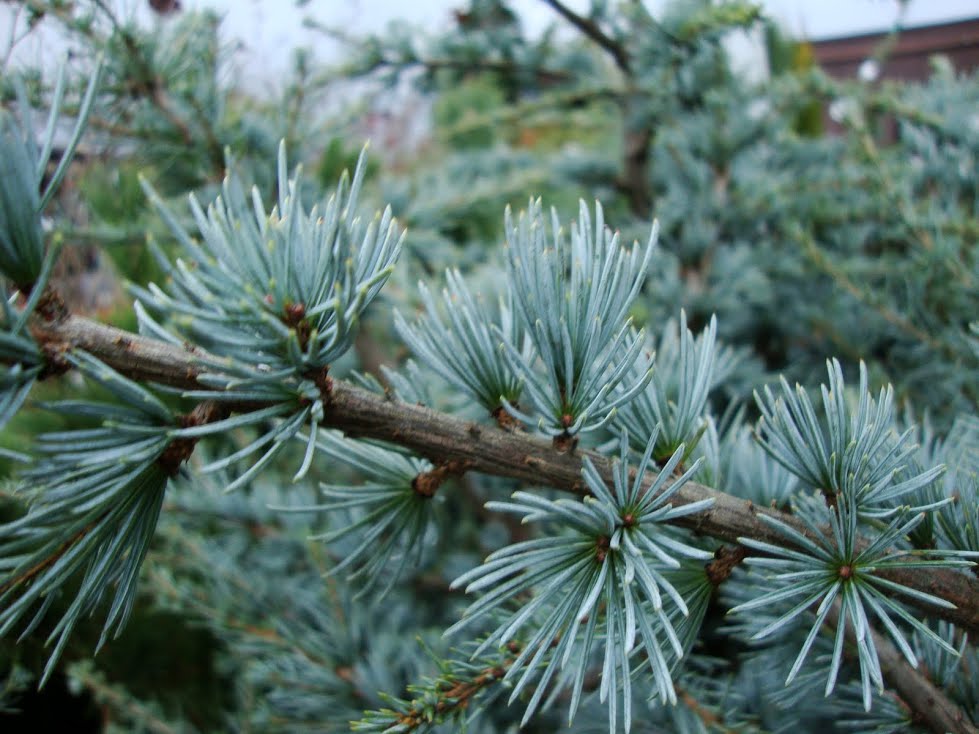
Imagine a perfectly proportioned Christmas tree with an ethereal twist, and you’re picturing the Blue Atlas Cedar. Its needle-like foliage glows with an icy blue-gray hue that’s particularly striking in winter when most of the garden has faded to browns and greens. The needles are stiff and waxy, arranged in dense clusters along ascending branches that create a distinctly pyramidal silhouette. As it matures, it develops a slightly more open, elegant form—still symmetrical, but with that refined, almost Japanese garden aesthetic. The bark is smooth and pale when young, gradually developing a deeper gray as the tree ages.

Growing it in your garden

The Blue Atlas Cedar isn’t asking for much, which is part of its charm. It thrives in full sun—and we mean full sun, at least six hours daily—where it’ll display those blue tones at their most luminous. Well-draining soil is essential, especially here in New England where spring snowmelt and wet springs can create trouble for trees that demand dry feet. If your soil tends toward clay, amend generously with compost or sand to create the drainage this cedar craves. Once established, it’s remarkably drought-tolerant, which makes it an excellent choice for xeriscaping or for gardeners tired of constant watering.

This is a tree that rewards patience. The first few years are about getting established—expect slower growth as it settles into your garden. But stick with it. By year three or four, you’ll notice accelerated growth and increasingly robust branching.

Through the seasons

Spring brings fresh new growth in slightly softer blue tones, creating a lovely color variation within the canopy. Summer is when the architectural structure really shines—the dense branching and neat form provide strong visual interest even without flowers or fall color. Fall brings no dramatic color change, which some gardeners love (a constant evergreen presence) and others need to plan around (you’ll want companions that provide autumn drama). Winter is when the Blue Atlas Cedar truly becomes a statement plant. That steely blue-gray color deepens and seems to glow against snow, and the tree’s strong form creates striking shadows. Late winter may bring small, upright cones (they point skyward like little candles), which add subtle textural interest.

Where it shines

Plant this as a specimen tree where you want a year-round focal point—near an entryway, in a courtyard, or as the anchor of a carefully designed perennial border. Its formal shape works beautifully in contemporary landscapes, Mediterranean-inspired gardens, or as an elegant counterpoint to more relaxed plantings. It’s also excellent for screening when you want something more refined than a traditional evergreen hedge. Many gardeners use it to add winter interest to foundation plantings or to create privacy without the heaviness of a dense evergreen screen.

Perfect companions

The Blue Atlas Cedar’s cool color palette pairs gorgeously with warm-toned perennials and shrubs. Try planting it near Russian Sage (PEROVSKIA) for a cool-on-cool meditation, or use warm golden accents like Rudbeckia or golden Hostas to create dynamic contrast. Ornamental grasses—especially those with silver or burgundy tones—are stunning companions. For nearby shrubs, consider Smoke Bush (COTINUS), with its purple foliage, or creeping Junipers in bronze tones. In spring, small bulbs like Crocus or species Tulips create a lovely understory without overwhelming the cedar’s presence.

Care tips

Water deeply and regularly during establishment (first two growing seasons), aiming for consistent moisture without waterlogging. Once established, reduce watering significantly—this is a Mediterranean plant at heart. Prune only to remove damaged branches; this tree doesn’t need reshaping. In Connecticut’s occasional ice storms, the sturdy branching structure usually holds up well, but be prepared to gently remove heavy snow or ice accumulation to prevent damage. No serious pest or disease problems plague this tree in our region, which is another point in its favor.

Quick facts

  • Hardiness Zone: 6-9 (thrives in Connecticut)
  • Mature Height & Spread: 40-60 feet tall, 20-30 feet wide (but slower-growing than many conifers)
  • Bloom Season: Late winter to early spring (cones; not showy but charming)
  • Light Requirements: Full sun (6+ hours daily)
  • Water Needs: Low once established; moderate during first 2 years
  • Available at: Both our retail and wholesale locations.

Blue Atlas Cedar

Category:

A bold, pyramidal form with sparkling silvery blue foliage that drapes from the expansive branches. One of the most popular evergreen conifers.

Zoning: 6-9
Mature Height and Spread: 15′-20′ & 15′-20′

Description

Blue Atlas Cedar

CEDRUS ATLANTICA ‘GLAUCA’

There’s something almost mythical about a tree that stops you mid-step with its shimmering blue-gray needles catching the winter sunlight. The Blue Atlas Cedar is that tree—a living sculpture with an architectural presence that transforms a landscape from ordinary to extraordinary. Native to the Atlas Mountains of North Africa, this evergreen conifer brings Mediterranean elegance to Connecticut gardens, proving that stunning doesn’t always mean tropical or fussy.

What it looks like

Imagine a perfectly proportioned Christmas tree with an ethereal twist, and you’re picturing the Blue Atlas Cedar. Its needle-like foliage glows with an icy blue-gray hue that’s particularly striking in winter when most of the garden has faded to browns and greens. The needles are stiff and waxy, arranged in dense clusters along ascending branches that create a distinctly pyramidal silhouette. As it matures, it develops a slightly more open, elegant form—still symmetrical, but with that refined, almost Japanese garden aesthetic. The bark is smooth and pale when young, gradually developing a deeper gray as the tree ages.

Growing it in your garden

The Blue Atlas Cedar isn’t asking for much, which is part of its charm. It thrives in full sun—and we mean full sun, at least six hours daily—where it’ll display those blue tones at their most luminous. Well-draining soil is essential, especially here in New England where spring snowmelt and wet springs can create trouble for trees that demand dry feet. If your soil tends toward clay, amend generously with compost or sand to create the drainage this cedar craves. Once established, it’s remarkably drought-tolerant, which makes it an excellent choice for xeriscaping or for gardeners tired of constant watering.

This is a tree that rewards patience. The first few years are about getting established—expect slower growth as it settles into your garden. But stick with it. By year three or four, you’ll notice accelerated growth and increasingly robust branching.

Through the seasons

Spring brings fresh new growth in slightly softer blue tones, creating a lovely color variation within the canopy. Summer is when the architectural structure really shines—the dense branching and neat form provide strong visual interest even without flowers or fall color. Fall brings no dramatic color change, which some gardeners love (a constant evergreen presence) and others need to plan around (you’ll want companions that provide autumn drama). Winter is when the Blue Atlas Cedar truly becomes a statement plant. That steely blue-gray color deepens and seems to glow against snow, and the tree’s strong form creates striking shadows. Late winter may bring small, upright cones (they point skyward like little candles), which add subtle textural interest.

Where it shines

Plant this as a specimen tree where you want a year-round focal point—near an entryway, in a courtyard, or as the anchor of a carefully designed perennial border. Its formal shape works beautifully in contemporary landscapes, Mediterranean-inspired gardens, or as an elegant counterpoint to more relaxed plantings. It’s also excellent for screening when you want something more refined than a traditional evergreen hedge. Many gardeners use it to add winter interest to foundation plantings or to create privacy without the heaviness of a dense evergreen screen.

Perfect companions

The Blue Atlas Cedar’s cool color palette pairs gorgeously with warm-toned perennials and shrubs. Try planting it near Russian Sage (PEROVSKIA) for a cool-on-cool meditation, or use warm golden accents like Rudbeckia or golden Hostas to create dynamic contrast. Ornamental grasses—especially those with silver or burgundy tones—are stunning companions. For nearby shrubs, consider Smoke Bush (COTINUS), with its purple foliage, or creeping Junipers in bronze tones. In spring, small bulbs like Crocus or species Tulips create a lovely understory without overwhelming the cedar’s presence.

Care tips

Water deeply and regularly during establishment (first two growing seasons), aiming for consistent moisture without waterlogging. Once established, reduce watering significantly—this is a Mediterranean plant at heart. Prune only to remove damaged branches; this tree doesn’t need reshaping. In Connecticut’s occasional ice storms, the sturdy branching structure usually holds up well, but be prepared to gently remove heavy snow or ice accumulation to prevent damage. No serious pest or disease problems plague this tree in our region, which is another point in its favor.

Quick facts

  • Hardiness Zone: 6-9 (thrives in Connecticut)
  • Mature Height & Spread: 40-60 feet tall, 20-30 feet wide (but slower-growing than many conifers)
  • Bloom Season: Late winter to early spring (cones; not showy but charming)
  • Light Requirements: Full sun (6+ hours daily)
  • Water Needs: Low once established; moderate during first 2 years
  • Available at: Both our retail and wholesale locations.