Forest Pansy Redbud

CERCIS CANADENSIS ‘FOREST PANSY’

What if one plant could deliver architectural drama, heart-stopping spring color, and burgundy foliage that makes everything around it look better? The Forest Pansy Redbud is that rare tree—a native redbud with show-stopping deep purple-red leaves that emerge before most trees have even woken up. In a region where we’re always chasing that perfect balance between structure and color, this is the tree that actually delivers both, season after season.

What it looks like

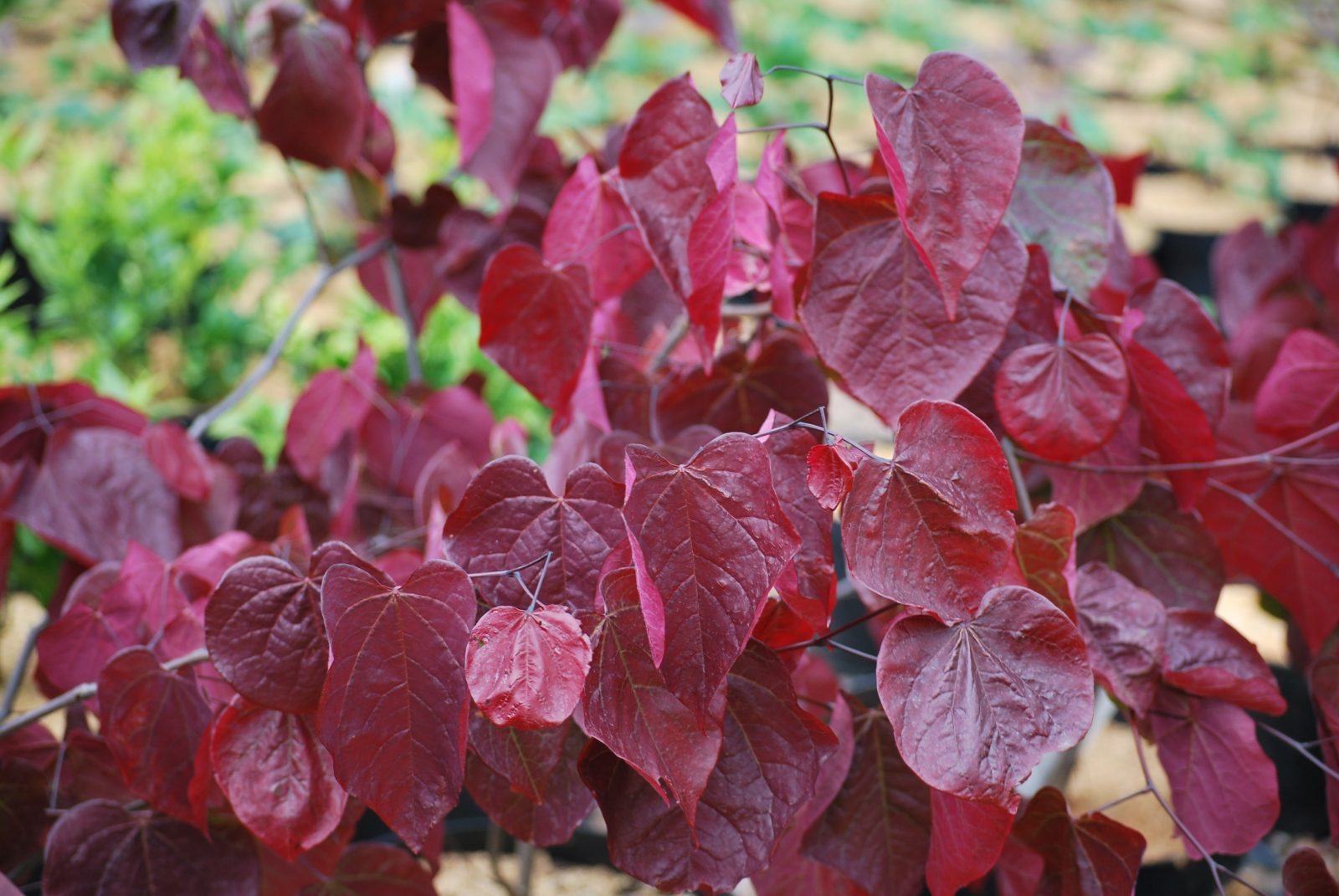
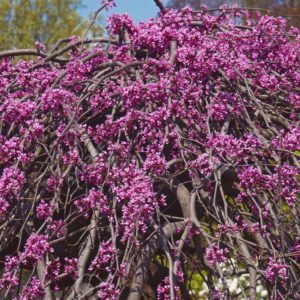
Forest Pansy is a deciduous small tree with an upright, spreading habit that creates a naturally elegant silhouette. The leaves are heart-shaped and deeply veined, starting out a rich burgundy-purple in spring and deepening to a wine-dark red throughout the growing season. Before the leaves even fully emerge, the branches are absolutely smothered in small magenta-pink flowers that cluster tightly along the stems—this is the magic moment every gardener waits for in April and early May. In fall, those exceptional leaves shift to copper-bronze tones before dropping, giving you a final flourish of color.

The overall growth habit is refined and somewhat vase-like, growing as wide as it is tall, making it feel less like a tree and more like living garden sculpture.

Growing it in your garden

Forest Pansy Redbud is remarkably adaptable for such a showstopper. It tolerates part shade to full sun, though I’ll be honest: those deep leaf colors sing brightest with at least 6 hours of direct light. It’s also surprisingly flexible about soil, handling everything from acidic to slightly alkaline conditions, and while it prefers soil that drains well, it’s more forgiving than many ornamental trees once established.

Connecticut’s growing seasons suit this native beauty just fine. It’s completely hardy through our winters and handles the variable spring weather that throws other trees for a loop. The only real caveat: give it space. This tree wants to spread out, and crowding it diminishes that gorgeous architectural form you’re investing in.

Through the seasons

Spring is when Forest Pansy announces itself to the neighborhood. Those magenta-pink flowers are stunning against the opening burgundy foliage—it’s a color combination that shouldn’t work but absolutely does. Even the new leaf growth is spectacular, unfolding in deep jewel tones that turn heads on morning walks.

Summer brings quiet elegance. The wine-red foliage creates a sophisticated backdrop that makes surrounding plants pop. Lighter-colored flowers, silver-leaved plants, and even delicate spring bulbs that resurfaced in pots suddenly look dramatically more interesting standing in the shadow of those deep burgundy leaves. The tree is relatively compact in its branching, so it casts dappled rather than heavy shade.

Fall color is understated but lovely—those leaves shift from wine-red to copper-bronze, a more muted palette that still adds warmth before the tree goes dormant. Winter reveals the tree’s graceful branching structure, which has real architectural presence even without foliage.

Where it shines

This is your answer if you want a specimen tree that doesn’t get enormous. It’s perfect as a focal point in a mid-sized garden, positioned where morning or afternoon light can illuminate those remarkable leaves. Use it to anchor a shade garden’s edge, where its colored foliage brightens what might otherwise feel dark. Plant it where you’ll see it from a favorite window—those spring flowers are worth planning your sightlines around.

Forest Pansy also works beautifully in understory plantings beneath taller native oaks or maples, creating layers of visual interest in a woodland-style garden. It’s substantial enough to define space without overwhelming smaller properties.

Perfect companions

The key to planting with Forest Pansy is respecting its color. Pair it with silvery foliaged plants like Russian Sage (PEROVSKIA) or artemisia—the contrast is stunning. White-flowering plants feel elegant beside it: Oakleaf Hydrangea (HYDRANGEA QUERCIFOLIA), white Astilbe, and bleeding heart all look refined against that burgundy backdrop. For spring color coordination, chartreuse hostas or golden Sedum varieties create a sophisticated color echo. Avoid planting it alongside other deep red or purple-foliaged plants—let it be the star rather than competing with similarly moody companions.

Care tips

Water regularly during the first two growing seasons to establish a deep root system, then water during dry spells. Forest Pansy doesn’t demand feeding if you started with decent soil, but a light application of balanced fertilizer in spring every few years keeps it vigorous. Pruning is minimal—remove any crossing or damaged branches in late winter, and let the natural vase shape develop. This tree rarely has pest problems in New England gardens.

Quick facts

  • Hardiness Zone: 4–9
  • Mature Height & Spread: 20–30 feet tall and wide
  • Bloom Season: April–May
  • Light Requirements: Full sun to part shade (best color in 6+ hours of direct sun)
  • Water Needs: Moderate; regular watering when young, drought-tolerant once established
  • Available at: Both our retail and wholesale locations
Forest Pansy Redbud

Category:

Similar growth habit as species with the exception of the rose purple blossoms followed by magnificent red purple leaves.

Zoning: 4-9
Mature Height and Spread: 20-30’
Trunk Diameter: 2”, 2.5”

Description

Forest Pansy Redbud

CERCIS CANADENSIS ‘FOREST PANSY’

What if one plant could deliver architectural drama, heart-stopping spring color, and burgundy foliage that makes everything around it look better? The Forest Pansy Redbud is that rare tree—a native redbud with show-stopping deep purple-red leaves that emerge before most trees have even woken up. In a region where we’re always chasing that perfect balance between structure and color, this is the tree that actually delivers both, season after season.

What it looks like

Forest Pansy is a deciduous small tree with an upright, spreading habit that creates a naturally elegant silhouette. The leaves are heart-shaped and deeply veined, starting out a rich burgundy-purple in spring and deepening to a wine-dark red throughout the growing season. Before the leaves even fully emerge, the branches are absolutely smothered in small magenta-pink flowers that cluster tightly along the stems—this is the magic moment every gardener waits for in April and early May. In fall, those exceptional leaves shift to copper-bronze tones before dropping, giving you a final flourish of color.

The overall growth habit is refined and somewhat vase-like, growing as wide as it is tall, making it feel less like a tree and more like living garden sculpture.

Growing it in your garden

Forest Pansy Redbud is remarkably adaptable for such a showstopper. It tolerates part shade to full sun, though I’ll be honest: those deep leaf colors sing brightest with at least 6 hours of direct light. It’s also surprisingly flexible about soil, handling everything from acidic to slightly alkaline conditions, and while it prefers soil that drains well, it’s more forgiving than many ornamental trees once established.

Connecticut’s growing seasons suit this native beauty just fine. It’s completely hardy through our winters and handles the variable spring weather that throws other trees for a loop. The only real caveat: give it space. This tree wants to spread out, and crowding it diminishes that gorgeous architectural form you’re investing in.

Through the seasons

Spring is when Forest Pansy announces itself to the neighborhood. Those magenta-pink flowers are stunning against the opening burgundy foliage—it’s a color combination that shouldn’t work but absolutely does. Even the new leaf growth is spectacular, unfolding in deep jewel tones that turn heads on morning walks.

Summer brings quiet elegance. The wine-red foliage creates a sophisticated backdrop that makes surrounding plants pop. Lighter-colored flowers, silver-leaved plants, and even delicate spring bulbs that resurfaced in pots suddenly look dramatically more interesting standing in the shadow of those deep burgundy leaves. The tree is relatively compact in its branching, so it casts dappled rather than heavy shade.

Fall color is understated but lovely—those leaves shift from wine-red to copper-bronze, a more muted palette that still adds warmth before the tree goes dormant. Winter reveals the tree’s graceful branching structure, which has real architectural presence even without foliage.

Where it shines

This is your answer if you want a specimen tree that doesn’t get enormous. It’s perfect as a focal point in a mid-sized garden, positioned where morning or afternoon light can illuminate those remarkable leaves. Use it to anchor a shade garden’s edge, where its colored foliage brightens what might otherwise feel dark. Plant it where you’ll see it from a favorite window—those spring flowers are worth planning your sightlines around.

Forest Pansy also works beautifully in understory plantings beneath taller native oaks or maples, creating layers of visual interest in a woodland-style garden. It’s substantial enough to define space without overwhelming smaller properties.

Perfect companions

The key to planting with Forest Pansy is respecting its color. Pair it with silvery foliaged plants like Russian Sage (PEROVSKIA) or artemisia—the contrast is stunning. White-flowering plants feel elegant beside it: Oakleaf Hydrangea (HYDRANGEA QUERCIFOLIA), white Astilbe, and bleeding heart all look refined against that burgundy backdrop. For spring color coordination, chartreuse hostas or golden Sedum varieties create a sophisticated color echo. Avoid planting it alongside other deep red or purple-foliaged plants—let it be the star rather than competing with similarly moody companions.

Care tips

Water regularly during the first two growing seasons to establish a deep root system, then water during dry spells. Forest Pansy doesn’t demand feeding if you started with decent soil, but a light application of balanced fertilizer in spring every few years keeps it vigorous. Pruning is minimal—remove any crossing or damaged branches in late winter, and let the natural vase shape develop. This tree rarely has pest problems in New England gardens.

Quick facts

  • Hardiness Zone: 4–9
  • Mature Height & Spread: 20–30 feet tall and wide
  • Bloom Season: April–May
  • Light Requirements: Full sun to part shade (best color in 6+ hours of direct sun)
  • Water Needs: Moderate; regular watering when young, drought-tolerant once established
  • Available at: Both our retail and wholesale locations