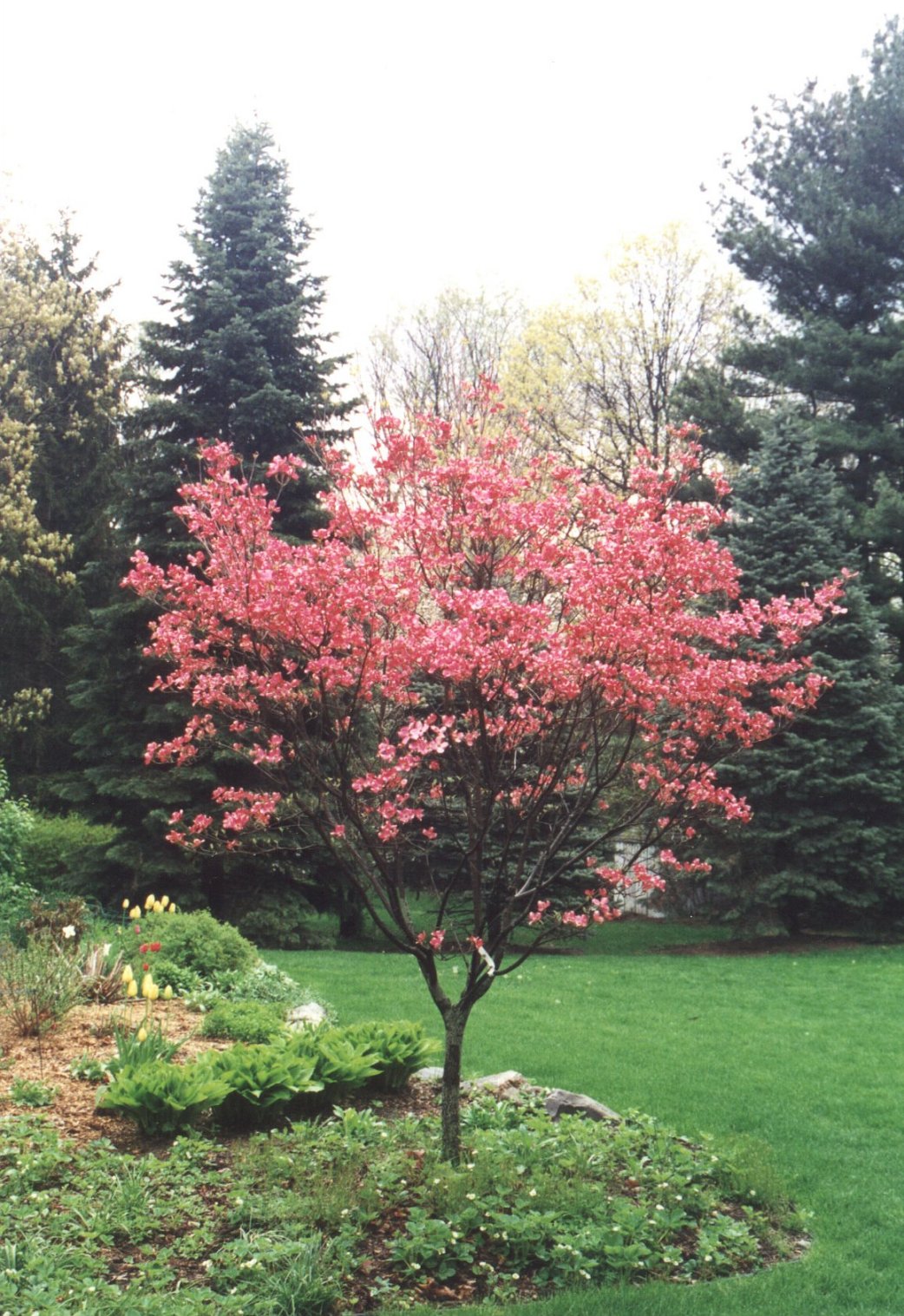
Cherokee Brave Dogwood

Oh, if you’re looking for a dogwood that brings serious drama and sophistication to your Connecticut garden, let me introduce you to the stunning Cherokee Brave Dogwood (CORNUS FLORIDA ‘CHEROKEE BRAVE’). This is the kind of tree that makes your neighbors stop and stare—with deep burgundy-red bracts that seem almost impossibly rich, paired with foliage so dark and glossy it looks like someone polished each leaf by hand. It’s a showstopper from spring through fall, and honestly, it’s one of my absolute favorite choices for gardeners who want to make a real statement in their landscape.

What it looks like

Picture this: in late April and May, before most of the other flowering trees have even thought about blooming, your Cherokee Brave Dogwood emerges covered in stunning four-petaled bracts that are such a deep wine-red they’re almost burgundy. These bracts (which aren’t technically petals, but let’s not get too technical!) create an absolutely gorgeous contrast against the deep maroon-purple foliage that’s the hallmark of this particular cultivar. The new leaves emerge with that rich coloring and maintain it throughout the growing season—it’s not a fleeting spring show, it’s an all-season color event. Later in the summer, you’ll notice the distinctive red berries that form after flowering, which the birds absolutely love. Come fall, the foliage deepens even further before dropping, and in winter, the elegant branching structure takes center stage.

Growing it in your garden

Here’s the good news: Cherokee Brave Dogwood is a Connecticut-friendly native selection that’s been specifically chosen for improved disease resistance compared to some of the older dogwood varieties. If you’ve had trouble with dogwoods in the past—maybe you’ve dealt with anthracnose or powdery mildew, which can be real challenges in our humid New England climate—this cultivar was developed with exactly those concerns in mind. That said, it does appreciate some special attention to get it off to a good start. This dogwood loves well-draining soil that’s rich in organic matter, so if you’ve got heavy clay (and honestly, who in Connecticut doesn’t?), I’d strongly recommend amending your planting area generously with compost. It prefers dappled shade to partial sun—think woodland edge conditions. Full afternoon sun in our hottest Connecticut summers can stress the tree, while complete shade might reduce flowering. Eastern morning sun with afternoon dappling is really the sweet spot.

Through the seasons

Spring is obviously the showstopper season when those burgundy bracts steal the show, but Cherokee Brave keeps performing all year long. Through summer, that deep purple-maroon foliage provides a beautiful cool-toned backdrop for lighter-colored plants and flowers in your garden beds—it’s like having an instant color anchor without even trying. By mid-summer, you’ll start to notice the small red fruits developing, which ripen to a beautiful coral-red by late summer and early fall. Birds will begin visiting to snack on these berries (which means you might have self-sown seedlings to deal with, but that’s a happy problem in a way!). As autumn arrives in our region, the foliage takes on even deeper tones before dropping to reveal that attractive branching structure. Even in winter, when so many ornamental trees look rather bare and boring, the horizontal layering of the dogwood branches creates nice architectural interest in your landscape.

Where it shines

Cherokee Brave Dogwood is absolutely at its best when you plant it where you can enjoy those spring flowers from inside your house or from a patio or seating area. Because it’s a medium-sized tree, it works beautifully as a specimen plant in a smaller Connecticut yard—it won’t overwhelm your landscape the way a larger shade tree might. It’s also fantastic for the edges of wooded areas or in a understory position beneath taller deciduous trees. If you’re creating a woodland garden or a native plant landscape, this is a must-have. I also love using it to provide some height and structure in mixed shrub borders, where its dark foliage and spring color really pop against other plants.

Perfect companions

Because of that deep burgundy foliage, Cherokee Brave Dogwood looks absolutely stunning paired with plants that have lighter or silver-toned foliage. Hostas with chartreuse or pale green leaves create a gorgeous contrast. Hellebores, bleeding hearts, and shade-loving ferns all work beautifully underneath and around your dogwood. For spring color that complements rather than competes, think about pale pink or white flowering understory plants. Japanese forest grass (HAKONECHLOA MACRA) adds elegant texture at ground level, and coral bells (HEUCHERA) in lighter colors provides foliage contrast. In spring, white or pale pink flowering bulbs like trilliums work beautifully too.

Care tips

Water regularly during the first growing season to help your dogwood establish a strong root system—this is crucial in Connecticut, where we can have unpredictable rainfall. A 2-3 inch layer of mulch around the base of the tree helps retain moisture and keeps the soil temperature stable, which dogwoods appreciate. Avoid piling mulch right against the trunk; keep it a few inches away to prevent rot. Once established, Cherokee Brave is fairly low-maintenance, though you should monitor for any signs of powdery mildew in particularly humid years—good air circulation helps prevent this. Prune only to remove dead or crossing branches; dogwoods don’t need aggressive pruning. In our New England climate, you might want to provide afternoon shade in the most intense heat of summer, particularly if your tree is young.

Quick facts

  • Hardiness Zone: Zones 5-9 (perfect for Connecticut’s Zone 6)
  • Mature Height & Spread: 20-25 feet tall and wide
  • Bloom Season: Late April through May
  • Light Requirements: Dappled shade to partial sun
  • Water Needs: Moderate; consistent moisture, well-draining soil
  • Available at: Both our retail and wholesale locations
Cherokee Brave Dogwood

Easily grown in average, medium moisture, well-drained soils in full sun to part shade. Prefers moist, organically rich, acidic soils in part shade

Description

Cherokee Brave Dogwood

Oh, if you’re looking for a dogwood that brings serious drama and sophistication to your Connecticut garden, let me introduce you to the stunning Cherokee Brave Dogwood (CORNUS FLORIDA ‘CHEROKEE BRAVE’). This is the kind of tree that makes your neighbors stop and stare—with deep burgundy-red bracts that seem almost impossibly rich, paired with foliage so dark and glossy it looks like someone polished each leaf by hand. It’s a showstopper from spring through fall, and honestly, it’s one of my absolute favorite choices for gardeners who want to make a real statement in their landscape.

What it looks like

Picture this: in late April and May, before most of the other flowering trees have even thought about blooming, your Cherokee Brave Dogwood emerges covered in stunning four-petaled bracts that are such a deep wine-red they’re almost burgundy. These bracts (which aren’t technically petals, but let’s not get too technical!) create an absolutely gorgeous contrast against the deep maroon-purple foliage that’s the hallmark of this particular cultivar. The new leaves emerge with that rich coloring and maintain it throughout the growing season—it’s not a fleeting spring show, it’s an all-season color event. Later in the summer, you’ll notice the distinctive red berries that form after flowering, which the birds absolutely love. Come fall, the foliage deepens even further before dropping, and in winter, the elegant branching structure takes center stage.

Growing it in your garden

Here’s the good news: Cherokee Brave Dogwood is a Connecticut-friendly native selection that’s been specifically chosen for improved disease resistance compared to some of the older dogwood varieties. If you’ve had trouble with dogwoods in the past—maybe you’ve dealt with anthracnose or powdery mildew, which can be real challenges in our humid New England climate—this cultivar was developed with exactly those concerns in mind. That said, it does appreciate some special attention to get it off to a good start. This dogwood loves well-draining soil that’s rich in organic matter, so if you’ve got heavy clay (and honestly, who in Connecticut doesn’t?), I’d strongly recommend amending your planting area generously with compost. It prefers dappled shade to partial sun—think woodland edge conditions. Full afternoon sun in our hottest Connecticut summers can stress the tree, while complete shade might reduce flowering. Eastern morning sun with afternoon dappling is really the sweet spot.

Through the seasons

Spring is obviously the showstopper season when those burgundy bracts steal the show, but Cherokee Brave keeps performing all year long. Through summer, that deep purple-maroon foliage provides a beautiful cool-toned backdrop for lighter-colored plants and flowers in your garden beds—it’s like having an instant color anchor without even trying. By mid-summer, you’ll start to notice the small red fruits developing, which ripen to a beautiful coral-red by late summer and early fall. Birds will begin visiting to snack on these berries (which means you might have self-sown seedlings to deal with, but that’s a happy problem in a way!). As autumn arrives in our region, the foliage takes on even deeper tones before dropping to reveal that attractive branching structure. Even in winter, when so many ornamental trees look rather bare and boring, the horizontal layering of the dogwood branches creates nice architectural interest in your landscape.

Where it shines

Cherokee Brave Dogwood is absolutely at its best when you plant it where you can enjoy those spring flowers from inside your house or from a patio or seating area. Because it’s a medium-sized tree, it works beautifully as a specimen plant in a smaller Connecticut yard—it won’t overwhelm your landscape the way a larger shade tree might. It’s also fantastic for the edges of wooded areas or in a understory position beneath taller deciduous trees. If you’re creating a woodland garden or a native plant landscape, this is a must-have. I also love using it to provide some height and structure in mixed shrub borders, where its dark foliage and spring color really pop against other plants.

Perfect companions

Because of that deep burgundy foliage, Cherokee Brave Dogwood looks absolutely stunning paired with plants that have lighter or silver-toned foliage. Hostas with chartreuse or pale green leaves create a gorgeous contrast. Hellebores, bleeding hearts, and shade-loving ferns all work beautifully underneath and around your dogwood. For spring color that complements rather than competes, think about pale pink or white flowering understory plants. Japanese forest grass (HAKONECHLOA MACRA) adds elegant texture at ground level, and coral bells (HEUCHERA) in lighter colors provides foliage contrast. In spring, white or pale pink flowering bulbs like trilliums work beautifully too.

Care tips

Water regularly during the first growing season to help your dogwood establish a strong root system—this is crucial in Connecticut, where we can have unpredictable rainfall. A 2-3 inch layer of mulch around the base of the tree helps retain moisture and keeps the soil temperature stable, which dogwoods appreciate. Avoid piling mulch right against the trunk; keep it a few inches away to prevent rot. Once established, Cherokee Brave is fairly low-maintenance, though you should monitor for any signs of powdery mildew in particularly humid years—good air circulation helps prevent this. Prune only to remove dead or crossing branches; dogwoods don’t need aggressive pruning. In our New England climate, you might want to provide afternoon shade in the most intense heat of summer, particularly if your tree is young.

Quick facts

  • Hardiness Zone: Zones 5-9 (perfect for Connecticut’s Zone 6)
  • Mature Height & Spread: 20-25 feet tall and wide
  • Bloom Season: Late April through May
  • Light Requirements: Dappled shade to partial sun
  • Water Needs: Moderate; consistent moisture, well-draining soil
  • Available at: Both our retail and wholesale locations