
Description
PRUNUS SERRULATA
There’s something almost magical about the moment when a cherry tree erupts into bloom. For just a brief window each spring, the entire tree transforms into a cloud of delicate flowers, and suddenly you understand why cherry blossoms have captivated gardeners for centuries. If you’ve walked past a blooming ornamental cherry and felt that irresistible pull to have one of your own, you’re not alone. These stunning trees bring an almost theatrical elegance to any Connecticut landscape, and despite their delicate appearance, they’re far more reliable performers than many gardeners expect.
What it looks like
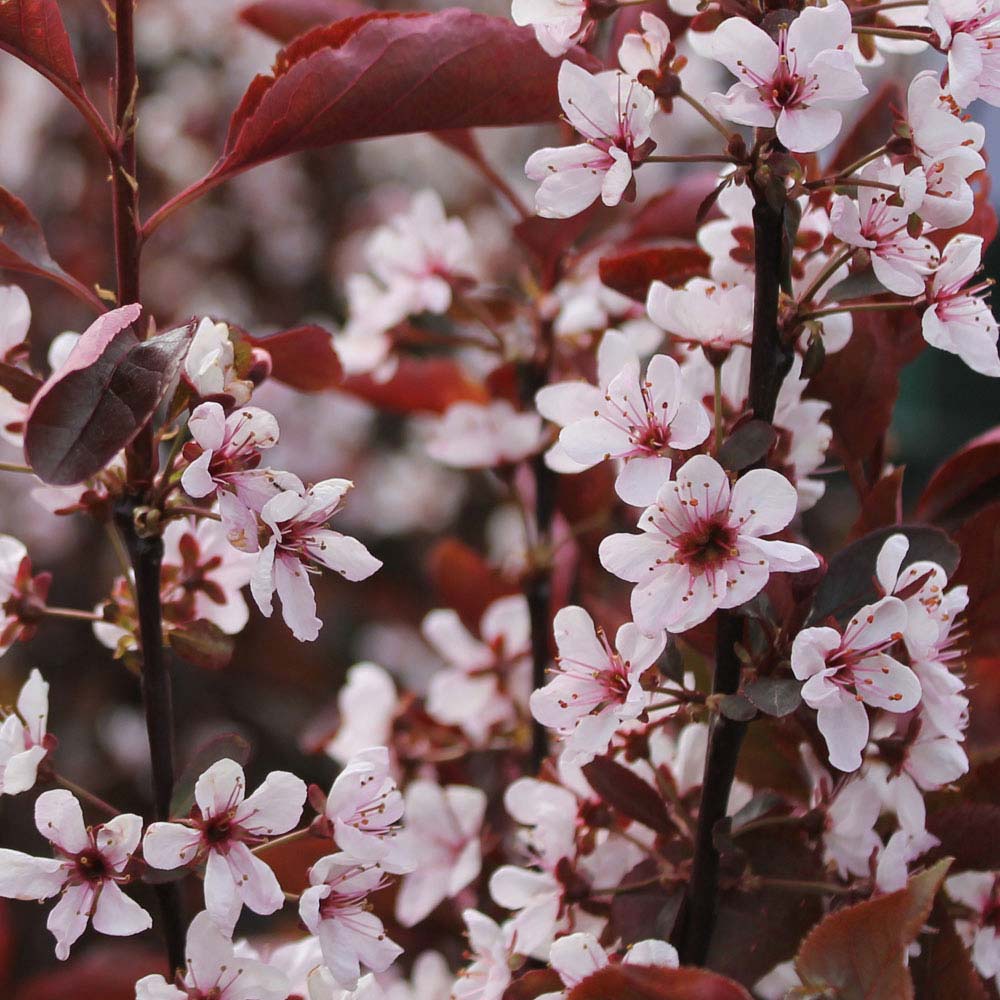
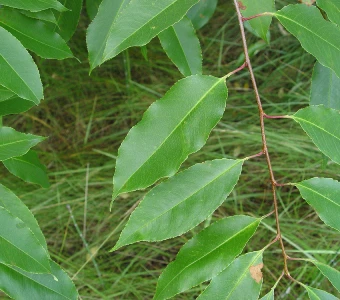
Ornamental cherry trees are the true showstoppers of spring. Depending on the variety, you’ll find single or double flowers in shades ranging from pure white to soft pink to deep rose. The blossoms appear on bare or emerging branches, creating that spectacular cloud-like effect that makes passersby stop in their tracks. Even after the flowers fade, cherry trees earn their place in the garden. The foliage emerges in bronze or burgundy tones before maturing to rich green, and many varieties offer stunning fall color. Some selections also produce small ornamental fruits that attract birds in late summer, adding another season of interest.
Growing it in your garden
The good news: cherry trees adapt beautifully to Connecticut’s climate and soil conditions. They’re not fussy about pH and will thrive in the slightly acidic to neutral soils common throughout our region. Plant your cherry in a spot that receives at least six hours of direct sun—this is crucial for abundant blooming and overall vigor. While cherries appreciate good drainage, many varieties handle the clay-heavy soils of Connecticut remarkably well, especially if you amend with compost at planting time. These trees establish quickly, and you’ll see substantial growth within the first few seasons.
Through the seasons
Spring is obviously when cherry trees command attention, with those spectacular flowers typically appearing in late April through May depending on your location and the specific variety. As temperatures warm, glossy green leaves take over the show, creating a graceful canopy that filters light beautifully. Summer is the season of quiet strength—your cherry tree becomes a permanent architectural element in the garden, offering shade and structure. Fall brings reliable color in shades of amber, orange, and gold, depending on the variety. Winter reveals the tree’s elegant branching structure, especially lovely when dusted with snow or rimmed with frost.
Where it shines
A cherry tree works magic as a specimen tree—plant one in a prominent spot where you can enjoy that spring show from your bedroom window or favorite garden seating area. They’re spectacular when underplanted with spring bulbs like tulips and daffodils, creating layers of color. In a smaller space, consider a more compact upright variety that won’t overwhelm the landscape. Cherry trees also make beautiful additions to mixed borders where their spring drama is followed by the quieter appeal of other plantings. They perform beautifully in groupings of three, with varieties in different shades of pink creating a symphony of spring color.
Perfect companions
Beneath your cherry tree, shade-tolerant woodland plants create a lush understory. Consider hellebores, bleeding heart, astilbe, and hostas—they’ll flower as the cherry’s blooms fade, extending the season of interest. Spring bulbs like grape hyacinth, Siberian squill, and mid-season tulips are essential companions, blooming simultaneously with the cherry blossoms. Evergreen shrubs like boxwood or holly provide year-round structure that balances the tree’s seasonal drama. Ornamental grasses nearby add movement and texture, especially lovely as the cherry’s canopy lightens during fall.
Care tips
Cherry trees are relatively low-maintenance once established. Water regularly during the first growing season, then taper back—mature trees are fairly drought-tolerant. Prune immediately after flowering if needed to shape the tree, as cherry trees set next year’s flower buds within weeks of this year’s blooms. Avoid heavy pruning, which reduces next spring’s flower display. Watch for Japanese beetles in mid-summer; hand-pick if populations are light, or treat with neem oil if needed. The occasional fungal disease appears during wet springs, but good air circulation and sanitary pruning practices minimize problems. Feed each spring with a balanced, slow-release fertilizer to keep your tree vigorous and blooming abundantly.
Quick facts
- Hardiness Zone: 5-8
- Mature Height & Spread: 20-30 feet (varies by variety)
- Bloom Season: Late April through May
- Light Requirements: Full sun (6+ hours daily)
- Water Needs: Moderate; regular watering during first season, then drought-tolerant
- Available at: Both our retail and wholesale locations