Common Pear

PYRUS COMMUNIS

When was the last time you bit into a pear you actually grew yourself? There’s something almost decadent about it—the juiciness, the subtle sweetness, that buttery texture that store-bought fruit rarely captures. If you’ve been thinking about adding fruit trees to your Connecticut garden but weren’t sure where to start, the Common Pear deserves serious consideration. It’s reliable, productive, and honestly, one of the most graceful trees you can plant. Yes, you’ll get fruit. But you’ll also get a beautiful, long-lived tree that brings structure and elegance to your landscape year after year.

What it looks like

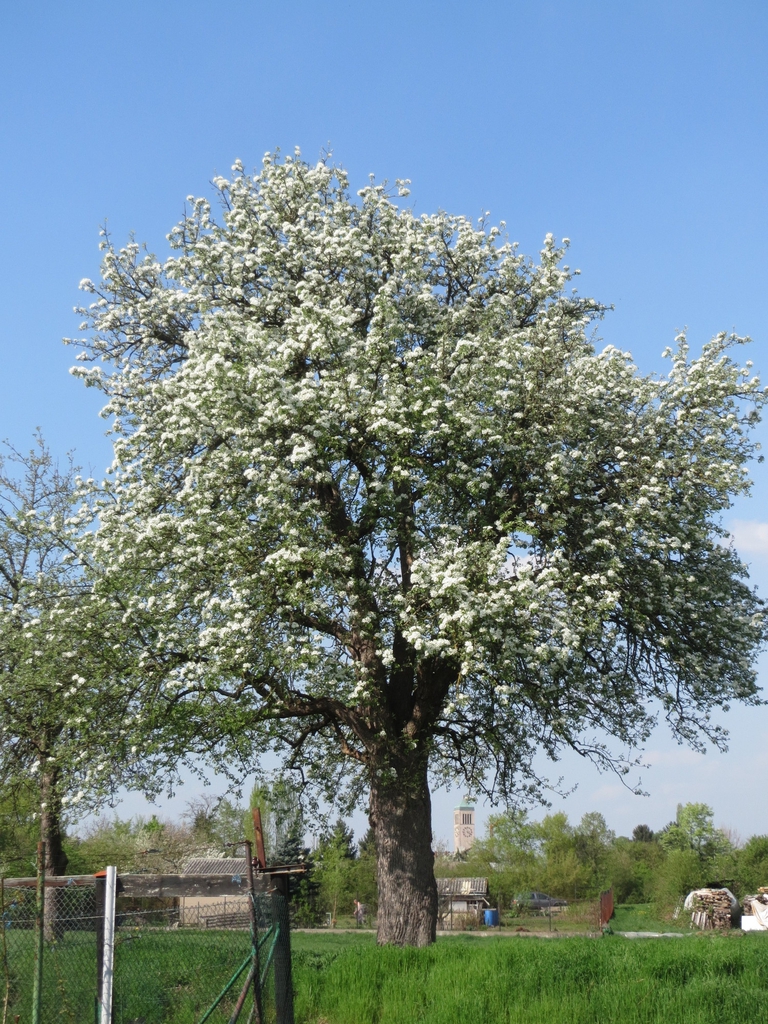
The Common Pear cuts a striking figure in any garden. Its form is naturally upright and pyramidal—think of a classical landscape silhouette—with a strong central leader and branches that reach skyward. The canopy is dense and attractive, clothed in glossy, dark green leaves that have an almost polished appearance. In spring, before the leaves fully emerge, the tree is smothered in clusters of pristine white or pale pink flowers. These blooms are fragrant and prolific, and they’re incredibly ornamental in their own right. The flowers eventually give way to the fruit: pears with that classic bell shape, typically greenish-yellow to golden-brown depending on the variety, often with russeting (that attractive brown netting) that adds character and charm.

Growing it in your garden

Common Pears are quite adaptable to New England conditions, though they do prefer consistent moisture and well-draining soil. They’re not fussy about soil pH and will tolerate slightly acidic to neutral conditions. Plant yours in a location that gets at least six hours of direct sun—eight is even better for maximum fruit production and disease prevention. One important note: most pear varieties are not self-fertile, so you’ll want to plant at least two different varieties for cross-pollination. The good news is that different pear varieties bloom at roughly the same time, so they’ll pollinate each other beautifully. Think of it as an opportunity to enjoy multiple varieties and extend your harvest season.

Through the seasons

Spring arrives with those gorgeous white flower clusters—a showstopper moment in your garden. Early summer brings tiny fruit set, and you’ll want to thin these aggressively when they’re about the size of walnuts, spacing them four to six inches apart. This ensures larger, sweeter pears at harvest. Summer is maintenance time: keep your tree watered during dry spells (Connecticut summers can be unpredictable), and monitor for any pests. By late summer and early fall, your pears begin their color change, ripening from green to golden. Most Common Pears are picked slightly underripe and allowed to ripen off the tree—they actually develop better flavor this way. Winter finds the tree dormant and attractive in its bare architecture, and this is prime pruning season when you can see the branch structure clearly.

Where it shines

The Common Pear truly shines as a specimen tree in a sunny spot where you can enjoy its spring flowers and eventual fruit harvest. It’s wonderful for cottage gardens, edible landscapes, and traditional orchards. Because of its formal, upright shape, it also works beautifully in more structured gardens—plant it as a focal point at the end of a pathway, or position it where its spring bloom can be appreciated from a window. It’s also worth noting that pear trees are less prone to many of the pests that plague apple trees, making them a slightly easier choice for Connecticut gardeners who want fruit without constant vigilance.

Perfect companions

Plant another pear variety nearby for pollination and extended harvest—consider pairing PYRUS COMMUNIS varieties like ‘Bartlett’ with ‘Bosc’ or ‘Seckel’ for a succession of ripening fruit. In the understory, plant shade-tolerant perennials like hellebores, bleeding hearts, and shade-tolerant sedums. The bright white flowers of the pear look stunning against the dark foliage of evergreens like boxwood or yew.

Care tips

Prune your pear in late winter to establish a strong branch framework and remove any crossing or damaged wood. Regular thinning of interior branches improves air circulation and reduces disease pressure—particularly important in humid New England springs. Water deeply and regularly during establishment and dry spells. In late summer, avoid excessive nitrogen fertilizer, which can encourage lush growth that’s more susceptible to fireblight. If you notice blackened branches (the telltale sign of fireblight), prune them out immediately with sterilized pruners.

Quick facts

  • Hardiness Zone: 4-9
  • Mature Height & Spread: 30-40 feet tall, 15-25 feet wide (varies by variety)
  • Bloom Season: Spring (April-May in Connecticut)
  • Light Requirements: Full sun (6+ hours daily)
  • Water Needs: Moderate; consistent moisture, well-draining soil
  • Available at: Both our retail and wholesale locations.

Common Pear

Category:

The common pear, native to Europe and northern Iraq, produces the familiar teardrop-shaped fruit seen in stores. Many cultivars are available with varying sizes, shapes, and colors of fruit.

Pot Size (gallons), Height: #15

Description

Common Pear

PYRUS COMMUNIS

When was the last time you bit into a pear you actually grew yourself? There’s something almost decadent about it—the juiciness, the subtle sweetness, that buttery texture that store-bought fruit rarely captures. If you’ve been thinking about adding fruit trees to your Connecticut garden but weren’t sure where to start, the Common Pear deserves serious consideration. It’s reliable, productive, and honestly, one of the most graceful trees you can plant. Yes, you’ll get fruit. But you’ll also get a beautiful, long-lived tree that brings structure and elegance to your landscape year after year.

What it looks like

The Common Pear cuts a striking figure in any garden. Its form is naturally upright and pyramidal—think of a classical landscape silhouette—with a strong central leader and branches that reach skyward. The canopy is dense and attractive, clothed in glossy, dark green leaves that have an almost polished appearance. In spring, before the leaves fully emerge, the tree is smothered in clusters of pristine white or pale pink flowers. These blooms are fragrant and prolific, and they’re incredibly ornamental in their own right. The flowers eventually give way to the fruit: pears with that classic bell shape, typically greenish-yellow to golden-brown depending on the variety, often with russeting (that attractive brown netting) that adds character and charm.

Growing it in your garden

Common Pears are quite adaptable to New England conditions, though they do prefer consistent moisture and well-draining soil. They’re not fussy about soil pH and will tolerate slightly acidic to neutral conditions. Plant yours in a location that gets at least six hours of direct sun—eight is even better for maximum fruit production and disease prevention. One important note: most pear varieties are not self-fertile, so you’ll want to plant at least two different varieties for cross-pollination. The good news is that different pear varieties bloom at roughly the same time, so they’ll pollinate each other beautifully. Think of it as an opportunity to enjoy multiple varieties and extend your harvest season.

Through the seasons

Spring arrives with those gorgeous white flower clusters—a showstopper moment in your garden. Early summer brings tiny fruit set, and you’ll want to thin these aggressively when they’re about the size of walnuts, spacing them four to six inches apart. This ensures larger, sweeter pears at harvest. Summer is maintenance time: keep your tree watered during dry spells (Connecticut summers can be unpredictable), and monitor for any pests. By late summer and early fall, your pears begin their color change, ripening from green to golden. Most Common Pears are picked slightly underripe and allowed to ripen off the tree—they actually develop better flavor this way. Winter finds the tree dormant and attractive in its bare architecture, and this is prime pruning season when you can see the branch structure clearly.

Where it shines

The Common Pear truly shines as a specimen tree in a sunny spot where you can enjoy its spring flowers and eventual fruit harvest. It’s wonderful for cottage gardens, edible landscapes, and traditional orchards. Because of its formal, upright shape, it also works beautifully in more structured gardens—plant it as a focal point at the end of a pathway, or position it where its spring bloom can be appreciated from a window. It’s also worth noting that pear trees are less prone to many of the pests that plague apple trees, making them a slightly easier choice for Connecticut gardeners who want fruit without constant vigilance.

Perfect companions

Plant another pear variety nearby for pollination and extended harvest—consider pairing PYRUS COMMUNIS varieties like ‘Bartlett’ with ‘Bosc’ or ‘Seckel’ for a succession of ripening fruit. In the understory, plant shade-tolerant perennials like hellebores, bleeding hearts, and shade-tolerant sedums. The bright white flowers of the pear look stunning against the dark foliage of evergreens like boxwood or yew.

Care tips

Prune your pear in late winter to establish a strong branch framework and remove any crossing or damaged wood. Regular thinning of interior branches improves air circulation and reduces disease pressure—particularly important in humid New England springs. Water deeply and regularly during establishment and dry spells. In late summer, avoid excessive nitrogen fertilizer, which can encourage lush growth that’s more susceptible to fireblight. If you notice blackened branches (the telltale sign of fireblight), prune them out immediately with sterilized pruners.

Quick facts

  • Hardiness Zone: 4-9
  • Mature Height & Spread: 30-40 feet tall, 15-25 feet wide (varies by variety)
  • Bloom Season: Spring (April-May in Connecticut)
  • Light Requirements: Full sun (6+ hours daily)
  • Water Needs: Moderate; consistent moisture, well-draining soil
  • Available at: Both our retail and wholesale locations.