
Description
BUXUS SEMPERVIRENS ‘SUFFRUTICOSA’
If you’ve been searching for that one plant that brings structure, elegance, and timeless beauty to a Connecticut garden without demanding constant fussing, meet your answer. Dwarf English Boxwood is the kind of plant that whispers rather than shouts—yet once you start using it, you’ll find yourself designing entire garden rooms around its quiet perfection. For centuries, gardeners have relied on this diminutive evergreen to define borders, frame doorways, and add that sophisticated European touch that makes a landscape feel intentional and complete.
What it looks like
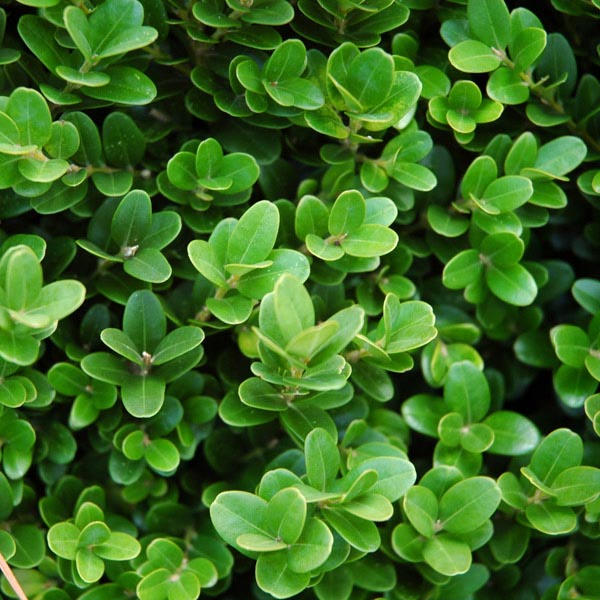
Dwarf English Boxwood grows as a compact, densely branched mound with tiny, glossy oval leaves that pack tightly along its stems. The foliage is a rich, vibrant green year-round—nothing fades or turns bronze in our harsh New England winters, which is exactly what you want from a plant meant to anchor your garden’s bones. At maturity, you’re looking at a plant that grows slowly and deliberately, never getting out of hand. The delicate branching structure is so fine and uniform that even an untrimmed specimen maintains a naturally neat appearance. Those tiny leaves catch morning light in a way that makes boxwood glow, particularly stunning when rimmed with frost.
Growing it in your garden
This is where Dwarf English Boxwood earns its keep. It’s remarkably adaptable to Connecticut’s demanding climate—tolerating our temperature swings, our unpredictable moisture patterns, and our variable soil chemistry with impressive grace. Plant it in a location with good air circulation (this matters in our humid summers) and soil that drains reasonably well. Boxwood isn’t fussy about light; it thrives in full sun to part shade, making it endlessly versatile for different garden exposures. If you’re dealing with heavy clay soil, amend it with some compost before planting. Water regularly the first season to establish a strong root system, then it becomes increasingly drought-tolerant as it matures—a genuine blessing during New England’s dry spells.
Through the seasons
One of boxwood’s greatest gifts is its consistency. Spring brings fresh, tender growth that gradually hardens into that lustrous summer green. Summer is when you’ll appreciate its steadiness—while everything else is demanding water and attention, boxwood is contentedly doing its job. Fall sees no dramatic color change, which is precisely the point: as other plants fade and drop, your boxwood maintains that crucial structure and color. Winter is when its true value becomes apparent. When snow falls and frost arrives, when so much of your garden lies dormant, boxwood stands at full attention, green and dignified, proving that reliable beauty matters.
Where it shines
Dwarf English Boxwood is the dream plant for formal hedging, parterre designs, and low borders along walkways and planting beds. Use it to frame a front entrance or garden gate—there’s a reason it’s a classic choice for New England cottages and Colonial gardens. It’s equally at home in modern, minimalist landscapes where its architectural quality reads as contemporary sculpture. Group several together to define garden rooms, or plant single specimens in containers flanking your doorway. Boxwood also excels in foundation plantings, where you need year-round presence without excessive height or width.
Perfect companions
Dwarf English Boxwood’s quiet elegance plays beautifully with spring bulbs—think tulips and hyacinths emerging through its structure—and with shade-loving hostas and hellebores nearby. Pair it with ornamental grasses that provide textural contrast. Evergreen ferns like Christmas fern make excellent neighbors. For year-round interest, surround it with other four-season performers like serviceberry or witchhazel. In containers, boxwood loves the company of trailing ivy, sedums, or winter-blooming pansies and ornamental cabbages.
Care tips
Boxwood is genuinely low-maintenance, but a few basics keep it thriving. Prune in late spring (after frost danger passes) if you want to maintain a particular shape, but it’s not necessary—this plant is a slow grower that rarely needs aggressive cutting. Water during extended dry periods in summer; while established plants handle drought reasonably well, they prefer consistent moisture. In Connecticut, no special winter protection is needed for Dwarf English Boxwood. Watch for boxwood leaf miner and psyllid, which can occasionally trouble plants in our region, but healthy specimens in good air circulation rarely suffer significantly. A light feeding in spring supports vigorous growth, but boxwood isn’t a heavy feeder.
Quick facts
- Hardiness Zone: 5-9
- Mature Height & Spread: 2-3 feet tall, 2-3 feet wide (slow-growing; sizes vary with pruning and maturity)
- Bloom Season: Spring (insignificant flowers; grown for foliage)
- Light Requirements: Full sun to part shade
- Water Needs: Moderate; prefers consistent moisture but becomes drought-tolerant when established
- Available at: Both our retail and wholesale locations