
Description

FESTUCA GLAUCA ‘ELIJAH BLUE’
If you’ve been searching for a plant that brings year-round color without demanding constant attention, Elijah Blue ornamental grass might just be your answer. This compact little beauty sits somewhere between blue and silver—a cool, almost ethereal tone that seems to glow in afternoon light. It’s the kind of plant that makes people pause and ask, “What is that?” And then immediately want one for their own garden.
What it looks like
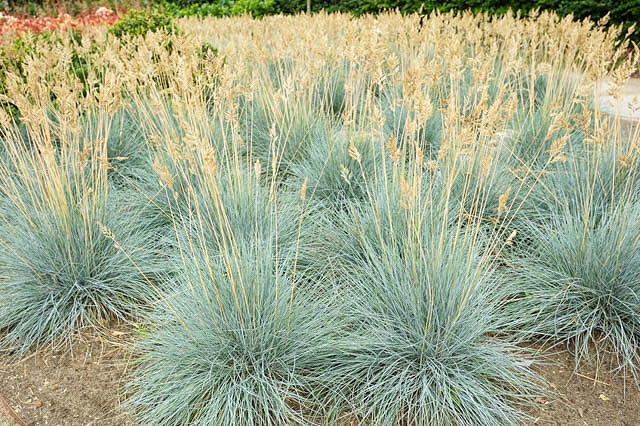
Elijah Blue (FESTUCA GLAUCA ‘ELIJAH BLUE’) is a dwarf blue fescue that forms a tight, neat mound of fine, hair-like foliage. The color is genuinely stunning—an icy blue-gray that maintains its richness even in the depths of Connecticut winter. In late spring, tiny cream-colored flower spikes emerge just above the foliage, adding a delicate contrast without overwhelming the plant’s essential charm. The whole effect is tidy and architectural, almost sculptural, which is precisely why designers love it.
Growing it in your garden
Here’s what makes Elijah Blue such a gift for New England gardeners: it thrives in conditions that challenge many other plants. This grass absolutely loves full sun and well-draining soil. If your garden leans sandy, gravelly, or rocky, this plant is practically thanking you already. Elijah Blue handles Connecticut’s temperature swings without complaint and actually performs better in cooler climates than in the warm South. Plant it where it gets at least six hours of direct sun daily, and you’ll be rewarded with the most vibrant color.
The one thing Elijah Blue won’t tolerate is sitting in wet feet. If your site holds moisture, amend the soil generously with coarse sand or gravel to improve drainage. Think of it as creating a mini-Mediterranean garden microclimate in your yard, because that’s essentially what this grass prefers.
Through the seasons
Spring brings those delicate flower spikes and the reawakening of vigorous growth. Summer is when Elijah Blue truly shines—the blue-gray color deepens, and the fine texture creates beautiful movement in even a light breeze. Fall and winter? This is where this grass really earns its place in the garden. While many ornamentals fade to tan or brown, Elijah Blue holds its cool blue tone remarkably well, creating stunning visual interest when everything else is dormant. It’s one of the few plants that looks equally beautiful on a gray January afternoon as it does in June.
Where it shines
Elijah Blue is perfect for rock gardens, alpine troughs, and raised beds where its fine texture and neat habit can be fully appreciated. It’s excellent in containers—pair it with silver-leafed perennials for a sophisticated display. Mass plant it in drifts along pathways or at the edges of perennial borders, where it creates soft, colorful edging. The compact size (it never gets leggy or sprawling) makes it ideal for small gardens, foundation plantings, and anywhere you want a pop of color without taking up much space. It’s also lovely as a specimen plant, where its sculptural form can be admired from all angles.
Perfect companions
Pair Elijah Blue with silvery plants like lamb’s ear (STACHYS BYZANTINA) or artemisia for a cohesive cool-toned garden. It looks stunning alongside deep purple sedums or with bright magenta dianthus. The fine texture contrasts beautifully with broader-leafed plants like heuchera or coral bells. In containers, combine it with trailing sweet potato vine or dusty miller for an elegant, contemporary look. It also works wonderfully in xeriscaping plans with sedums, sempervivums, and other drought-tolerant companions.
Care tips
Elijah Blue is refreshingly low-maintenance. Once established, it’s quite drought-tolerant, so you won’t be tethered to a watering schedule. In early spring, cut back any dead or damaged foliage from winter. Some gardeners prefer to tidy it up in fall; either timing works fine. It doesn’t need division as frequently as some grasses—every four to five years is sufficient if you want to rejuvenate the clump. Never fertilize—actually, poor soil keeps the color more intense. And that’s it. No pests, no diseases, no drama.
Quick facts
- Hardiness Zone: 4-8 (thrives in Connecticut)
- Mature Height & Spread: 8-10 inches tall, 10-12 inches wide
- Bloom Season: Late spring through early summer
- Light Requirements: Full sun (6+ hours daily)
- Water Needs: Low to moderate; drought-tolerant once established; requires well-draining soil
- Available at: Both our retail and wholesale locations