MALUS DOMESTICA ‘FUJI’

When you bite into a Fuji apple, you’re experiencing one of the sweetest, crispest apples that North American orchards have to offer. This Japanese heirloom has become a favorite among Connecticut gardeners who want to grow their own dessert-quality fruit right in their backyard. If you’ve ever envied someone’s homegrown apple harvest, this is the variety that makes you understand why—Fujis are practically made for fresh eating, with a honeyed sweetness and that satisfying crunch that store-bought fruit just can’t match.

What it looks like

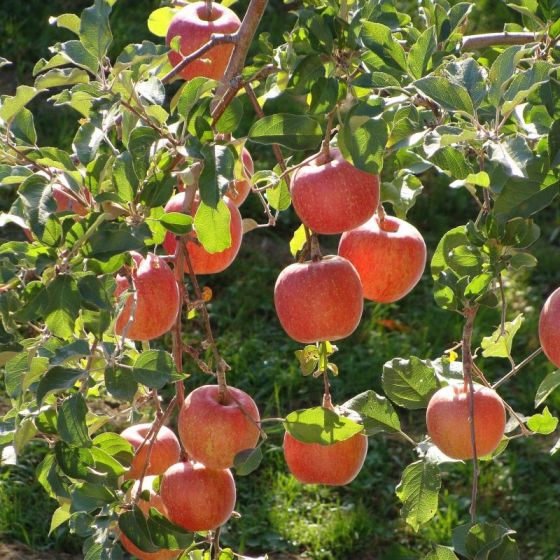
Fuji apple trees grow into sturdy, upright specimens that mature into a graceful spreading form. The canopy fills out beautifully, creating that classic apple tree silhouette you picture in your head. In spring, they’re covered with delicate pink and white blossoms that are genuinely lovely—pollinators adore them, and frankly, so will you. By late summer and early fall, the fruit ripens to a gorgeous red-orange color often with yellow undertones, and the apples themselves are noticeably large and satisfying to hold. The foliage is a healthy, deep green throughout the growing season.

Growing it in your garden

Fujis are remarkably adaptable trees for Connecticut’s climate. They appreciate full sun—give them at least six hours daily to encourage the best fruit production and sweetness. They prefer well-draining soil and will establish themselves more quickly if you amend your planting hole with compost, but they’re not fussy about soil type. One important note: Fuji apples are not self-fertile, so you’ll want a pollinator nearby. Honeycrisp, Gala, or Granny Smith work wonderfully. If space is tight, you can plant a dual-variety grafted tree, or position your Fuji within 50 feet of a compatible apple tree. That’s really the only “trick” to getting fruit.

Through the seasons

Spring brings that profusion of blossoms—a real garden moment worth celebrating. By early summer, you’ll notice tiny fruit beginning to form as the petals fall. This is when many growers thin the developing fruit to one apple every six inches or so. Yes, it feels wasteful, but trust us: you’ll get fewer, larger, sweeter apples. Summer is maintenance time—regular watering, especially during dry spells, keeps the tree happy and productive. Fall is the payoff season: Fujis typically ripen in mid to late September through early October, depending on your specific location in Connecticut. The fruit stores beautifully too—refrigerated Fujis can last for months, though you’ll probably eat them long before then. Winter is dormancy, and your tree will rest and prepare for another round of blossoms.

Where it shines

Whether you’re planting a backyard orchard or fitting one specimen tree into a residential lot, Fuji apples earn their space. They’re wonderful as a focal point in a mixed landscape—that spring bloom and summer fruit production give you multiple reasons to love them. If you have kids or grandkids, there’s something transformative about letting them pick apples directly from the tree and eat them fresh. They also make excellent additions to cider operations or preserving projects, though honestly, most Fuji apples are eaten fresh right off the tree. The trees also handle New England winters without complaint and resist many common apple diseases better than some heirloom varieties.

Perfect companions

Plant Fuji apples with other pollinating apple varieties like Honeycrisp or Gala. Underplant with shade-tolerant perennials or groundcovers—you want to keep competing grass away from the root zone anyway. In a larger orchard setting, Fujis integrate beautifully with stone fruits like cherry or plum trees, as they share similar sunlight and water needs. For wildlife, plant native shrubs and flowers nearby to encourage the pollinators and beneficial insects your apple tree needs.

Care tips

Water regularly during establishment (first year or two), aiming for consistent moisture without waterlogging. Once established, they’re fairly drought-tolerant, but they fruit better with regular water during growing season. Prune in late winter while still dormant—focus on maintaining an open canopy so air circulates and sunlight reaches the fruit. Thinning fruit in June ensures premium apples. Watch for typical apple pests and disease in our region—a late-winter dormant oil spray helps prevent many issues, and choose disease-resistant rootstocks when possible. Feed with a balanced fruit tree fertilizer in spring.

Quick facts

  • Hardiness Zone: 5-9 (perfect for Connecticut)
  • Mature Height & Spread: 15-25 feet tall and wide (dwarfing rootstocks available for smaller spaces)
  • Bloom Season: Mid-spring (April-May)
  • Fruit Harvest: Late September through early October
  • Light Requirements: Full sun (6+ hours daily)
  • Water Needs: Moderate; regular moisture during growing season
  • Pollinator Required: Yes—plant with Honeycrisp, Gala, or Granny Smith
  • Available at: Both our retail and wholesale locations.

Fuji Edible Apple

Category:

The Fuji apple is a hybrid created in Japan in the 1930’s with two American apple varieties, Red Delicious and old Virginia Ralls Genet. It is named after the town near the research station, Fujisaki.

Trunk Diameter: 2.5″ Espalier

Description

MALUS DOMESTICA ‘FUJI’

When you bite into a Fuji apple, you’re experiencing one of the sweetest, crispest apples that North American orchards have to offer. This Japanese heirloom has become a favorite among Connecticut gardeners who want to grow their own dessert-quality fruit right in their backyard. If you’ve ever envied someone’s homegrown apple harvest, this is the variety that makes you understand why—Fujis are practically made for fresh eating, with a honeyed sweetness and that satisfying crunch that store-bought fruit just can’t match.

What it looks like

Fuji apple trees grow into sturdy, upright specimens that mature into a graceful spreading form. The canopy fills out beautifully, creating that classic apple tree silhouette you picture in your head. In spring, they’re covered with delicate pink and white blossoms that are genuinely lovely—pollinators adore them, and frankly, so will you. By late summer and early fall, the fruit ripens to a gorgeous red-orange color often with yellow undertones, and the apples themselves are noticeably large and satisfying to hold. The foliage is a healthy, deep green throughout the growing season.

Growing it in your garden

Fujis are remarkably adaptable trees for Connecticut’s climate. They appreciate full sun—give them at least six hours daily to encourage the best fruit production and sweetness. They prefer well-draining soil and will establish themselves more quickly if you amend your planting hole with compost, but they’re not fussy about soil type. One important note: Fuji apples are not self-fertile, so you’ll want a pollinator nearby. Honeycrisp, Gala, or Granny Smith work wonderfully. If space is tight, you can plant a dual-variety grafted tree, or position your Fuji within 50 feet of a compatible apple tree. That’s really the only “trick” to getting fruit.

Through the seasons

Spring brings that profusion of blossoms—a real garden moment worth celebrating. By early summer, you’ll notice tiny fruit beginning to form as the petals fall. This is when many growers thin the developing fruit to one apple every six inches or so. Yes, it feels wasteful, but trust us: you’ll get fewer, larger, sweeter apples. Summer is maintenance time—regular watering, especially during dry spells, keeps the tree happy and productive. Fall is the payoff season: Fujis typically ripen in mid to late September through early October, depending on your specific location in Connecticut. The fruit stores beautifully too—refrigerated Fujis can last for months, though you’ll probably eat them long before then. Winter is dormancy, and your tree will rest and prepare for another round of blossoms.

Where it shines

Whether you’re planting a backyard orchard or fitting one specimen tree into a residential lot, Fuji apples earn their space. They’re wonderful as a focal point in a mixed landscape—that spring bloom and summer fruit production give you multiple reasons to love them. If you have kids or grandkids, there’s something transformative about letting them pick apples directly from the tree and eat them fresh. They also make excellent additions to cider operations or preserving projects, though honestly, most Fuji apples are eaten fresh right off the tree. The trees also handle New England winters without complaint and resist many common apple diseases better than some heirloom varieties.

Perfect companions

Plant Fuji apples with other pollinating apple varieties like Honeycrisp or Gala. Underplant with shade-tolerant perennials or groundcovers—you want to keep competing grass away from the root zone anyway. In a larger orchard setting, Fujis integrate beautifully with stone fruits like cherry or plum trees, as they share similar sunlight and water needs. For wildlife, plant native shrubs and flowers nearby to encourage the pollinators and beneficial insects your apple tree needs.

Care tips

Water regularly during establishment (first year or two), aiming for consistent moisture without waterlogging. Once established, they’re fairly drought-tolerant, but they fruit better with regular water during growing season. Prune in late winter while still dormant—focus on maintaining an open canopy so air circulates and sunlight reaches the fruit. Thinning fruit in June ensures premium apples. Watch for typical apple pests and disease in our region—a late-winter dormant oil spray helps prevent many issues, and choose disease-resistant rootstocks when possible. Feed with a balanced fruit tree fertilizer in spring.

Quick facts

  • Hardiness Zone: 5-9 (perfect for Connecticut)
  • Mature Height & Spread: 15-25 feet tall and wide (dwarfing rootstocks available for smaller spaces)
  • Bloom Season: Mid-spring (April-May)
  • Fruit Harvest: Late September through early October
  • Light Requirements: Full sun (6+ hours daily)
  • Water Needs: Moderate; regular moisture during growing season
  • Pollinator Required: Yes—plant with Honeycrisp, Gala, or Granny Smith
  • Available at: Both our retail and wholesale locations.