
Description
CUPRESSOCYPARIS LEYLANDII ‘GOLD RYDER’
If you’ve been searching for an evergreen that brings year-round golden warmth to your Connecticut landscape without the fussiness of temperamental conifers, Gold Ryder Leyland Cypress might be exactly what your garden has been waiting for. This cultivar transforms the classic Leyland Cypress into something special—a sun-loving sentinel that glows with buttery yellow foliage even when New England’s winter winds are at their strongest. It’s the kind of plant that makes people stop and ask, “What is that beautiful golden tree?” when they drive past your property in February.
What it looks like
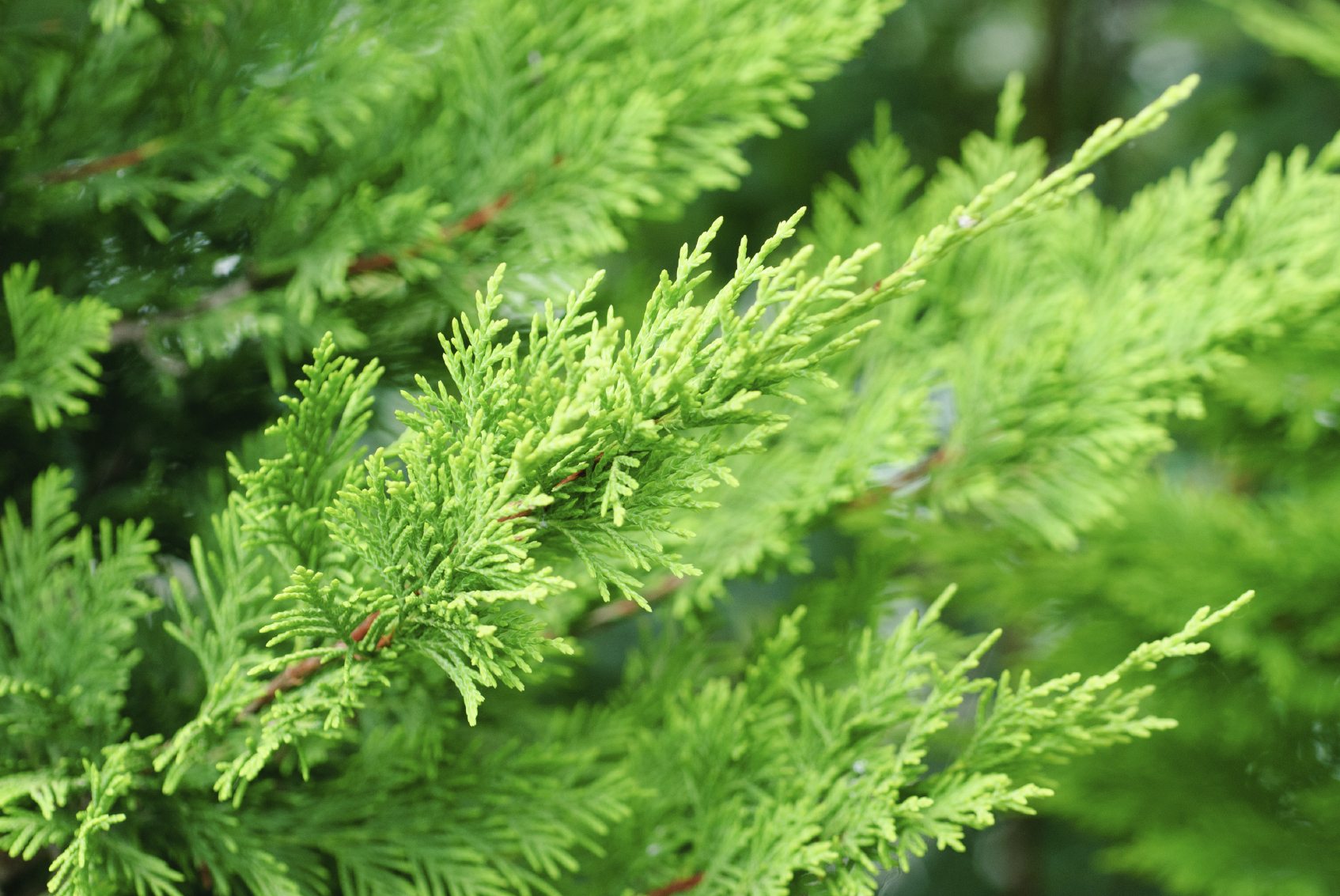
Gold Ryder is a columnar evergreen with a naturally narrow, upright growth habit that makes it perfect for tight spaces where you need vertical impact. The fine-textured, feathery foliage is where this cultivar truly shines—it maintains a warm, golden-yellow color year-round, intensifying slightly in cooler months. Unlike some golden conifers that can look washed out or bronzy in winter, Gold Ryder keeps its sunny disposition through Connecticut’s harshest seasons. The overall form is dense and refined, creating a striking silhouette whether planted as a single specimen or massed in groups.
Growing it in your garden
Gold Ryder Leyland Cypress thrives in full sun—and I mean genuine, all-day sun. Plant it where it gets at least six to eight hours of direct sunlight daily, and you’ll be rewarded with the most vibrant golden color. In partial shade, it becomes more green-gold, which is still lovely but not quite the showstopper you’re planting for. The good news is that this cultivar is far more cold-hardy and adaptable than many Leyland Cypress varieties, making it a genuinely viable option for Connecticut gardens, particularly in zones 6b and warmer areas of zone 6a.
Soil-wise, Gold Ryder prefers well-draining conditions. It’s not particularly fussy about pH, doing well in slightly acidic to neutral soil. The key is avoiding wet feet—if your planting site tends to stay soggy, amend with compost or sand to improve drainage. Once established, Gold Ryder shows good drought tolerance, which is increasingly valuable as our Connecticut growing seasons become more variable.
Through the seasons
Spring through fall, Gold Ryder maintains its warm golden-yellow foliage with consistent color that acts like a beacon in the garden. Early fall brings no dramatic changes—instead, the plant simply deepens its golden tones as temperatures cool. By winter, when many gardens have faded to browns and grays, Gold Ryder positively glows, particularly on sunny mornings when frost catches its needles. It holds its foliage year-round, so there’s never a dormant, bare phase. If you get the occasional warm spell in March, Gold Ryder provides color when everything else is still sleeping.
Where it shines
Use Gold Ryder as an accent specimen in mixed borders where it provides year-round structure and color without the bulk of broader evergreens. Plant a pair flanking an entry or driveway for formal elegance with contemporary flair. In narrow side yards where you need vertical emphasis without width, Gold Ryder is perfect. It also works beautifully as part of a mixed conifer screen, where its golden tones provide striking contrast against darker green junipers or arborvitae. Gardeners often use Gold Ryder to add height to foundation plantings or to create a warm, glowing backdrop for colorful perennials.
Perfect companions
The golden foliage of Gold Ryder creates beautiful contrast with deep green evergreens like TAXUS (yew) or darker arborvitae cultivars. Plant it near ILEX (holly) selections for a sophisticated pairing of shape and texture. For seasonal color interest nearby, consider purple-leafed plants like BERBERIS ‘Helmond Pillar’ or burgundy HEUCHERA—the color contrast is stunning. Underplant with shade-tolerant groundcovers like PACHYSANDRA or VINCA to soften the base while respecting the plant’s preference for sunny upper growth.
Care tips
Minimal pruning is needed—Gold Ryder’s naturally columnar form is one of its greatest assets. Light trimming in late spring can enhance density if desired, but this plant doesn’t require heavy shearing. Water regularly during the establishment period (roughly the first two growing seasons). Once settled in, supplement with water during prolonged Connecticut dry spells, particularly in sandy soils. A two-inch layer of mulch around the base helps retain moisture and keeps soil temperatures moderate.
Watch for spider mites in hot, dry locations—they’re rare but can occasionally be an issue. Good air circulation helps prevent problems. Generally speaking, Gold Ryder is trouble-free in Connecticut gardens when given the sun and drainage it prefers.
Quick facts
- Hardiness Zone: 6a to 10 (excellent for Connecticut)
- Mature Height & Spread: 25–30 feet tall, 3–4 feet wide
- Bloom Season: Non-flowering evergreen
- Light Requirements: Full sun (6–8 hours minimum)
- Water Needs: Moderate; prefers well-draining soil
- Available at: Both our retail and wholesale locations