
Description

HOSTA ‘GOLDEN FORTUNE’
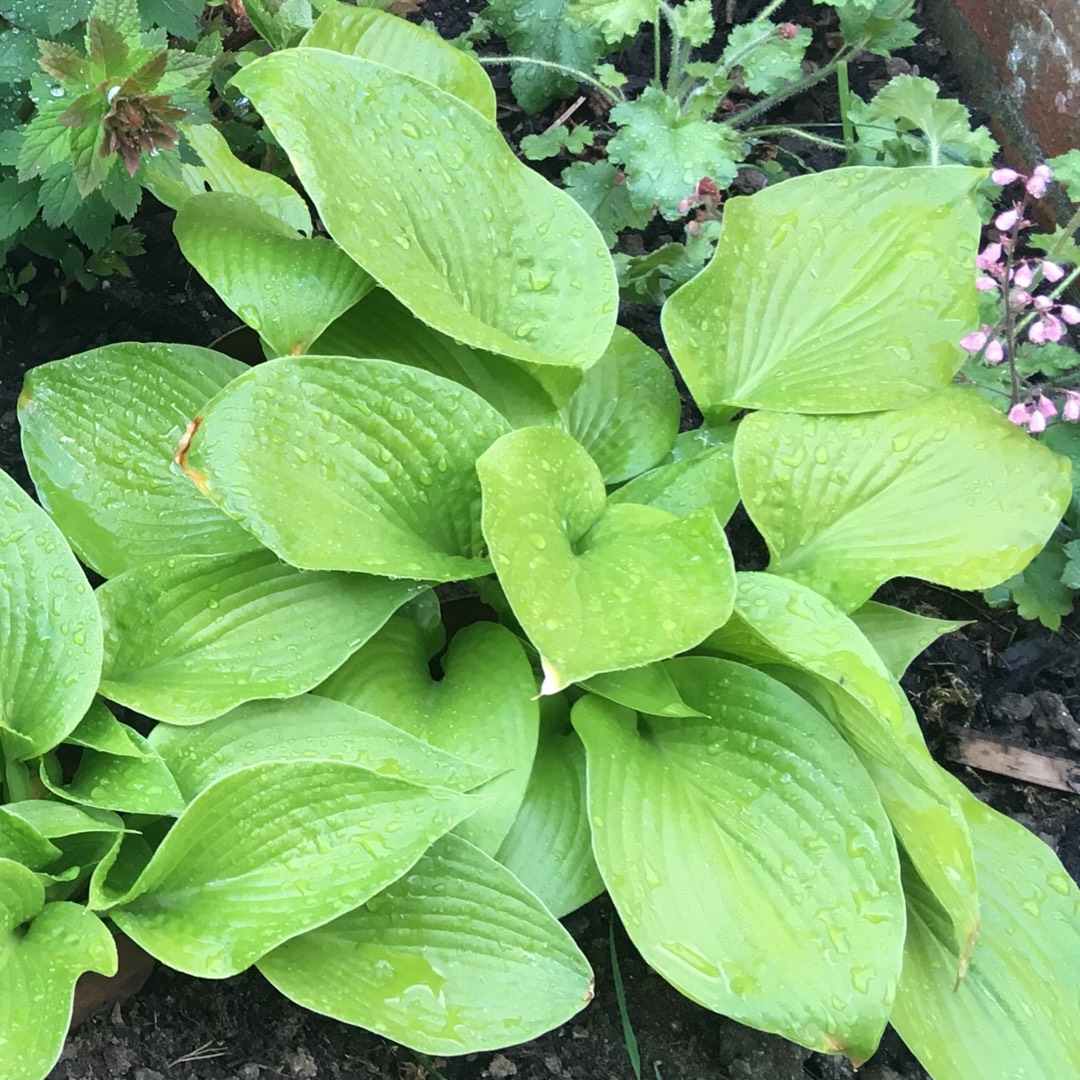
Here’s what happens when you find the right shade plant for your Connecticut garden: suddenly those dark corners under your maples and evergreens don’t feel like dead zones anymore—they feel like opportunities. HOSTA ‘GOLDEN FORTUNE’ is exactly the kind of plant that transforms problem areas into points of real visual interest. This cultivar brings a luminous quality to shade that most plants simply can’t deliver. Unlike the countless green hostas that blend into the background, ‘Golden Fortune’ actually glows, especially in morning or dappled light. Its cheerful golden foliage acts like a silent spotlight, drawing your eye and warming up spaces that might otherwise feel gloomy or forgotten.
What it looks like
This is a medium-sized hosta with substantial heart-shaped leaves that emerge in spring with an almost chartreuse brightness, deepening to a rich golden-yellow as the season progresses. The foliage has wonderful substance—these aren’t delicate, papery leaves, but sturdy ones with a slightly waxy texture that holds up beautifully through New England’s unpredictable weather. In midsummer, HOSTA ‘GOLDEN FORTUNE’ sends up lovely lavender flowers on clean, upright scapes that rise above the mound of foliage. The flowers are fragrant too, a bonus treat that many gardeners don’t expect from their hostas.
Growing it in your garden
If you’re new to hostas, here’s the beautiful part: they’re genuinely one of the most forgiving plants you can grow in Connecticut. ‘Golden Fortune’ thrives in the shade that defeats so many other plants—the kind of all-day shade under mature trees where nothing else seems to want to cooperate. It’s not fussy about soil as long as you’ve worked in some organic matter before planting. The real key is consistent moisture, but not waterlogged conditions. Think of it like hostas appreciate what we call “reliably moist” soil—the kind of steady dampness you get from spring snowmelt or regular rainfall, not boggy swampland. In our Connecticut growing zones, this plant settles in quickly and expands each year without drama.
Through the seasons
Spring arrives and HOSTA ‘GOLDEN FORTUNE’ emerges with those glowing new leaves—it’s one of the more eye-catching green-up moments in the shade garden. Through late spring and early summer, the foliage intensifies in color, and by the time those lavender flowers appear in July, you’ve got a plant that’s genuinely attractive from multiple angles. The flower spikes are sturdy enough to stand up to Connecticut’s summer storms. Come fall, the foliage begins to fade and eventually dies back completely—this is normal and expected. The plant goes completely dormant over winter, which honestly means less work for you. No leaves to clean up in autumn, and the underground crown sits safely protected through even our coldest winters.
Where it shines
This is the shade plant you’ve been looking for if you have beds under deciduous trees, along the north side of your home, or under the eaves where rainfall doesn’t naturally reach. ‘Golden Fortune’ works beautifully as a textural anchor in shade gardens, and its golden coloring makes an elegant contrast with dark green evergreens or fine-textured ferns. It’s also one of the better hostas for containers if you want to dress up a shaded patio or entryway in Connecticut.
Perfect companions
Plant ‘Golden Fortune’ alongside darker hostas like HOSTA ‘SUM AND SUBSTANCE’ for stunning color contrast, or pair it with shade-loving astilbes and hellebores for varied texture. Creeping groundcovers like VINCA or AJUGA work well at the base, and tall Japanese forest grasses add movement in the background. For a shade garden that feels sophisticated and layered, combine ‘Golden Fortune’ with coral bells, Solomon’s seal, and shade-tolerant bleeding heart.
Care tips
Plant in spring or early fall, spacing plants about 18 to 24 inches apart depending on how full you want the mature planting to look. Water deeply after planting and keep the soil consistently moist through the first season as the plant establishes itself. Mulch lightly around the base with 1 to 2 inches of bark mulch to retain moisture and keep soil temperature consistent. Most hostas benefit from occasional division after several years, usually in early spring—this rejuvenates older plants and gives you material for expanding your shade plantings. Slugs and snails can be issues in wet Connecticut summers, so monitor your plants and use preventive measures if needed, like copper tape or beer traps around young plants.
Quick facts
- Hardiness Zone: 3-9 (very winter-hardy throughout Connecticut)
- Mature Height & Spread: 18-24 inches tall, 24-30 inches wide
- Bloom Season: July-August
- Light Requirements: Partial to full shade
- Water Needs: Consistently moist, well-draining soil
- Available at: Both our retail and wholesale locations