
Description
EUONYMUS FORTUNEI
If you’ve been searching for something that handles wet soil, deep shade, and Connecticut winters without complaint, while still bringing visual interest to those forgotten corners of your garden, Wintercreeper might be exactly what you’ve been missing. This evergreen vine has quietly earned its place in New England landscapes for good reason—it’s tough, adaptable, and surprisingly beautiful when you really look at it. Whether you’re training it up a wall, letting it cascade over a slope, or using it as a low-growing groundcover, Wintercreeper meets you where you are with minimal fuss.
What it looks like
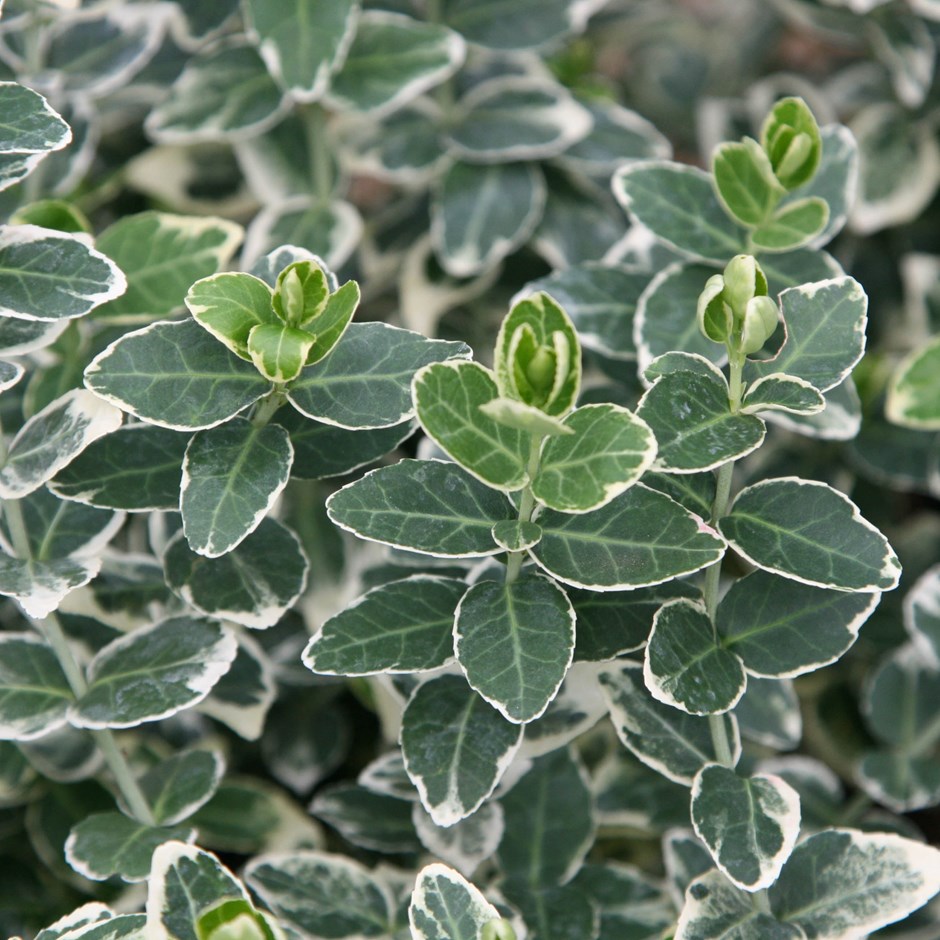
Wintercreeper displays small, glossy leaves that persist through even our harshest Connecticut winters, maintaining color and texture when most plants have surrendered to the cold. The foliage typically emerges in a deep green, and depending on the cultivar you choose, can range from solid emerald to variegated patterns of gold, white, or cream. Many varieties develop rich bronzy or purplish tones as temperatures drop in fall—a subtle but sophisticated response to winter’s arrival. The plant’s growth habit varies by cultivar too; some creep along the ground like determined scouts, while others climb with aerial rootlets, clinging to walls and tree bark with admirable determination. Even the stems have character, often developing distinctive corky wings that add textural interest year-round.
Growing it in your garden
Here’s what makes Wintercreeper such a reliable choice for Connecticut gardeners: it’s genuinely unfussy about soil conditions. While it prefers well-draining soil, it adapts to clay, loam, or sandy situations with equal grace. It tolerates both wet and dry periods once established, making it an excellent choice for transitional areas where drainage is unpredictable. The plant succeeds in full sun to deep shade, though variegated cultivars show more vibrant color in brighter spots. Plant it in spring or fall, spacing plants according to the eventual spread of your chosen variety. Because Wintercreeper can be vigorous, giving it clear direction—whether that’s a fence to climb or a slope to cover—helps you both enjoy its potential. In our New England climate, it’s hardy and reliable, requiring no special winter protection or coddling.
Through the seasons
Spring brings fresh new growth and a sense of renewal, with new leaves unfurling in bright shades before settling into their mature colors. Summer showcases the plant’s capacity to clothe vertical or horizontal surfaces in living green (or variegated) texture. Small, inconspicuous flowers appear in late spring to early summer—they’re not showy, but they’re charming if you take time to notice them, and they attract beneficial insects. Fall is when Wintercreeper often steals the show; many cultivars transform into warm bronzes, purples, or deep burgundies as nights cool. Winter is perhaps the most valuable season in a Connecticut garden, when Wintercreeper provides consistent, living color and texture at a time when most of the landscape has turned monochromatic. Unlike deciduous vines that vanish entirely, this evergreen stays engaged with your garden all year.
Where it shines
Wintercreeper is the problem-solver for spots that challenge other plants. Use it to soften the harsh lines of a fence or stone wall, where its clinging habit and dense coverage work beautifully. It’s exceptional as a groundcover on slopes where you’d rather not mow, spreading gradually to cover bare ground while preventing erosion. In shaded areas beneath mature trees, where grass refuses to grow, Wintercreeper thrives, creating a lush living carpet. Against north-facing walls, where most plants sulk, it positively glows. It also makes an excellent choice for urban Connecticut gardens where air pollution or challenging microclimates defeat more temperamental plants. Some gardeners use it in containers, letting it spill over the edge, though it truly shows its character when allowed to express its climbing or spreading nature.
Perfect companions
Pair Wintercreeper with other shade-tolerant groundcovers like LIRIOPE or AJUGA for textural variation. It looks stunning against the distinctive foliage of Japanese maples or the architectural interest of FATSIA. In sunny locations, combine it with ornamental grasses that won’t be overwhelmed by its vigor. The contrast between Wintercreeper’s fine-textured leaves and the bold foliage of hostas or hellebores creates visual drama in shaded gardens.
Care tips
Wintercreeper requires minimal maintenance once established. Water regularly during its first growing season to encourage deep roots. In subsequent years, it’s remarkably drought-tolerant. Prune in late winter or early spring to maintain your desired size and shape, or to redirect growth. Because it can sometimes become invasive in mild climates, Connecticut’s cold winters actually help keep it in check naturally. Watch for scale insects, though problems are infrequent. There’s no need for fertilizer in most situations; this is a plant that thrives on neglect rather than fussing.
Quick facts
- Hardiness Zone: 5-9 (perfectly suited to Connecticut)
- Mature Height & Spread: 12-24 inches tall when used as groundcover; 30-40 feet when climbing (though easily managed with pruning)
- Bloom Season: Late spring to early summer
- Light Requirements: Full sun to deep shade
- Water Needs: Moderate; tolerant of both wet and dry conditions once established
- Available at: Both our retail and wholesale locations