ITEA VIRGINICA

If you’ve been searching for something that handles wet soil, deep shade, and Connecticut winters without complaint, Virginia Sweetspire might just be the answer you’ve been waiting for. This native deciduous shrub is like the reliable friend who shows up, does the work, and somehow makes it all look effortless. It’s not flashy—but it’s absolutely dependable, and in a New England garden, that’s worth its weight in gold.

What it looks like

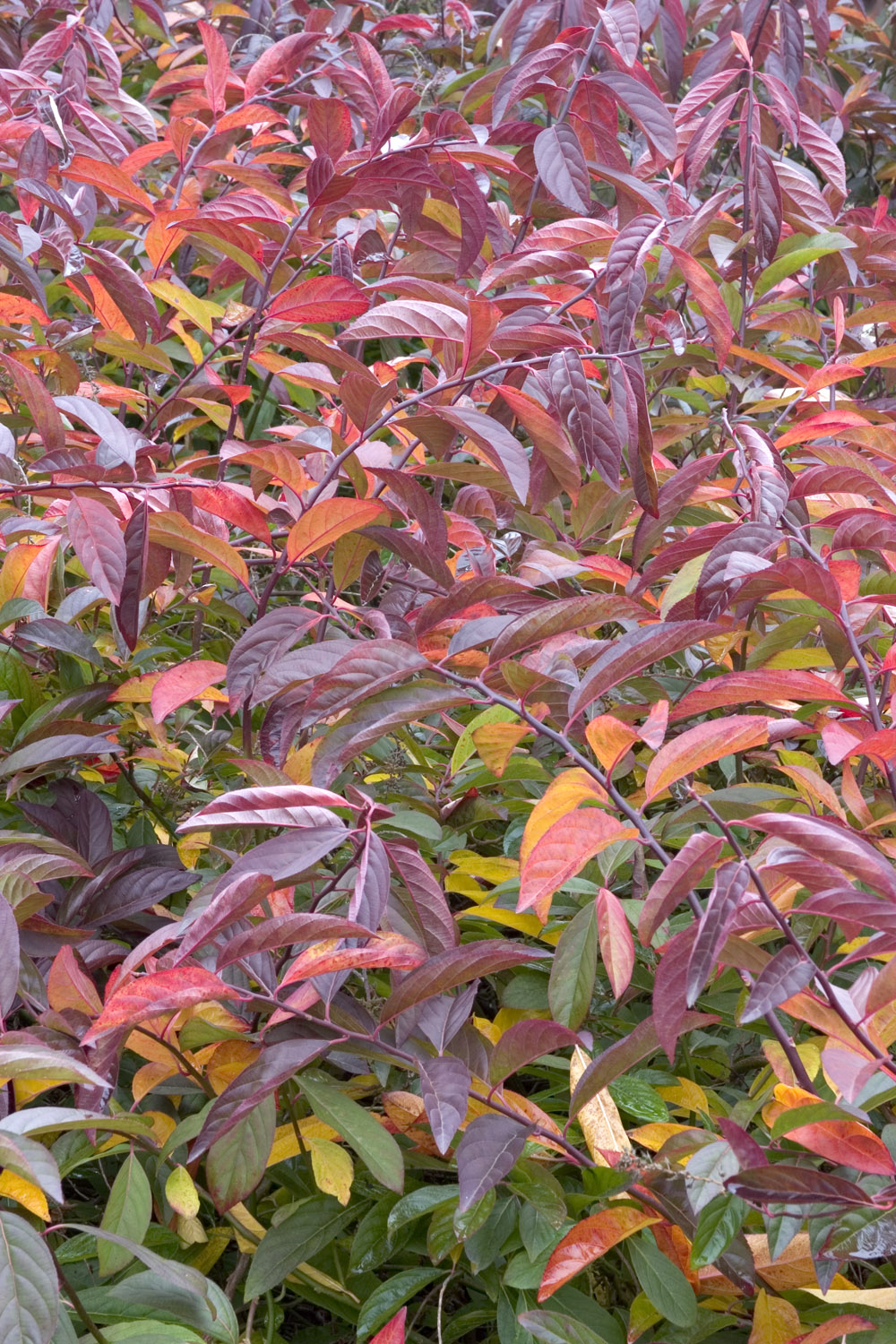
Virginia Sweetspire is an elegant, upright shrub with a naturally graceful habit that doesn’t require constant pruning to look good. Its narrow, lance-shaped leaves emerge a fresh spring green and mature to a deep, glossy green throughout the growing season. But here’s where it really earns its place in your garden: in fall, those leaves transform into shades of burgundy, scarlet, and deep purple—a show that rivals many more celebrated autumn performers.

In late spring through early summer, delicate, fragrant flower spikes appear along the stems. These flowers are small and creamy white, arranged in slender, drooping panicles that look almost delicate enough to blow away on the breeze. Close up, they’re intricate and charming; from a distance, they create an airy, romantic effect throughout the shrub.

Growing it in your garden

Here’s the beautiful part: Virginia Sweetspire is genuinely unfussy. It performs beautifully in conditions that make many other shrubs struggle. Wet feet? Fine. Dappled shade? Excellent. Full sun? Works great too. This is a plant that adapts rather than complains, making it perfect for those tricky spots in a Connecticut garden where you’re not quite sure what will work.

Plant it in spring or fall, giving it room to reach its mature height and spread. It doesn’t need a lot of coddling—Virginia Sweetspire establishes itself reliably in our New England climate. Once planted, it settles in and gets to work creating that garden magic you’re looking for.

Through the seasons

Spring arrives quietly with soft green foliage and those wonderfully fragrant flower spikes appearing in May and June. The scent is subtle but distinctive—sweet and spicy at once, like something you want to lean in closer to experience. Pollinators agree and visit regularly.

Summer is when Virginia Sweetspire fills in beautifully, creating a fine-textured backdrop for other plantings. Its slender stems and airy foliage create visual interest without heaviness.

Fall is the showstopper. Those leaves transform into jewel tones—burgundy, crimson, and deep plum—that persist well into November in Connecticut. Even after the leaves drop, the angular branches create interesting winter structure in the garden.

Where it shines

Native plant gardeners love Virginia Sweetspire because it’s one of the few shrubs that handles both wet and shaded conditions with equal grace. Plant it near a downspout or in that low-lying area where water collects after heavy rain. Plant it under the dappled shade of taller trees. Plant it along a stream bank or pond edge where it’ll root deeply and stabilize the soil.

It’s also exceptional in foundation plantings because it stays relatively compact, offers multi-season interest, and never gets leggy or disappointing. In mixed borders, it provides that sophisticated, understated elegance that makes good design feel effortless. And in native plant gardens throughout New England, Virginia Sweetspire helps support local ecology while looking beautiful doing it.

Perfect companions

Virginia Sweetspire pairs beautifully with other moisture-loving New England natives. Pair it with Winterberry Holly for persistent fruit color, or with Highbush Blueberry (VACCINIUM CORYMBOSUM) for a combination that handles wet soil and provides both spring flowers and summer berries. In shadier spots, underplant with native ferns or shade-tolerant groundcovers like Foamflower (TIARELLA CORDIFOLIA). For fall color drama, position it where its crimson foliage plays off the purple of Beautyberry (CALLICARPA AMERICANA) or the gold of autumn-turning perennials.

Care tips

Virginia Sweetspire needs very little pruning. If you want to shape it or remove any dead wood, do that in early spring before growth begins. It responds well to renewal pruning if it ever gets overgrown, though this is rarely necessary. Water regularly the first year while it establishes itself, then sit back and enjoy. No special fertilizer needed—this shrub is happy with average soil conditions.

Quick facts

  • Hardiness Zone: 5–9 (reliably hardy throughout Connecticut)
  • Mature Height & Spread: 3–6 feet tall and 4–6 feet wide
  • Bloom Season: May through June
  • Light Requirements: Full sun to partial shade (even deep shade)
  • Water Needs: Moderate to moist; tolerates wet soil exceptionally well
  • Available at: Both our retail and wholesale locations

Virginia Sweetspire

Category:

Small spreading mounded shrub with large 3” fragrant flowers in late Spring through Summer. A vigorous grower.

Zoning: 5-9
Mature Height and Spread: 3-5’ & 4-6’
Pot Size (gallons), Height: #3 #7

Description

ITEA VIRGINICA

If you’ve been searching for something that handles wet soil, deep shade, and Connecticut winters without complaint, Virginia Sweetspire might just be the answer you’ve been waiting for. This native deciduous shrub is like the reliable friend who shows up, does the work, and somehow makes it all look effortless. It’s not flashy—but it’s absolutely dependable, and in a New England garden, that’s worth its weight in gold.

What it looks like

Virginia Sweetspire is an elegant, upright shrub with a naturally graceful habit that doesn’t require constant pruning to look good. Its narrow, lance-shaped leaves emerge a fresh spring green and mature to a deep, glossy green throughout the growing season. But here’s where it really earns its place in your garden: in fall, those leaves transform into shades of burgundy, scarlet, and deep purple—a show that rivals many more celebrated autumn performers.

In late spring through early summer, delicate, fragrant flower spikes appear along the stems. These flowers are small and creamy white, arranged in slender, drooping panicles that look almost delicate enough to blow away on the breeze. Close up, they’re intricate and charming; from a distance, they create an airy, romantic effect throughout the shrub.

Growing it in your garden

Here’s the beautiful part: Virginia Sweetspire is genuinely unfussy. It performs beautifully in conditions that make many other shrubs struggle. Wet feet? Fine. Dappled shade? Excellent. Full sun? Works great too. This is a plant that adapts rather than complains, making it perfect for those tricky spots in a Connecticut garden where you’re not quite sure what will work.

Plant it in spring or fall, giving it room to reach its mature height and spread. It doesn’t need a lot of coddling—Virginia Sweetspire establishes itself reliably in our New England climate. Once planted, it settles in and gets to work creating that garden magic you’re looking for.

Through the seasons

Spring arrives quietly with soft green foliage and those wonderfully fragrant flower spikes appearing in May and June. The scent is subtle but distinctive—sweet and spicy at once, like something you want to lean in closer to experience. Pollinators agree and visit regularly.

Summer is when Virginia Sweetspire fills in beautifully, creating a fine-textured backdrop for other plantings. Its slender stems and airy foliage create visual interest without heaviness.

Fall is the showstopper. Those leaves transform into jewel tones—burgundy, crimson, and deep plum—that persist well into November in Connecticut. Even after the leaves drop, the angular branches create interesting winter structure in the garden.

Where it shines

Native plant gardeners love Virginia Sweetspire because it’s one of the few shrubs that handles both wet and shaded conditions with equal grace. Plant it near a downspout or in that low-lying area where water collects after heavy rain. Plant it under the dappled shade of taller trees. Plant it along a stream bank or pond edge where it’ll root deeply and stabilize the soil.

It’s also exceptional in foundation plantings because it stays relatively compact, offers multi-season interest, and never gets leggy or disappointing. In mixed borders, it provides that sophisticated, understated elegance that makes good design feel effortless. And in native plant gardens throughout New England, Virginia Sweetspire helps support local ecology while looking beautiful doing it.

Perfect companions

Virginia Sweetspire pairs beautifully with other moisture-loving New England natives. Pair it with Winterberry Holly for persistent fruit color, or with Highbush Blueberry (VACCINIUM CORYMBOSUM) for a combination that handles wet soil and provides both spring flowers and summer berries. In shadier spots, underplant with native ferns or shade-tolerant groundcovers like Foamflower (TIARELLA CORDIFOLIA). For fall color drama, position it where its crimson foliage plays off the purple of Beautyberry (CALLICARPA AMERICANA) or the gold of autumn-turning perennials.

Care tips

Virginia Sweetspire needs very little pruning. If you want to shape it or remove any dead wood, do that in early spring before growth begins. It responds well to renewal pruning if it ever gets overgrown, though this is rarely necessary. Water regularly the first year while it establishes itself, then sit back and enjoy. No special fertilizer needed—this shrub is happy with average soil conditions.

Quick facts

  • Hardiness Zone: 5–9 (reliably hardy throughout Connecticut)
  • Mature Height & Spread: 3–6 feet tall and 4–6 feet wide
  • Bloom Season: May through June
  • Light Requirements: Full sun to partial shade (even deep shade)
  • Water Needs: Moderate to moist; tolerates wet soil exceptionally well
  • Available at: Both our retail and wholesale locations