
Description
VIBURNUM X JUDDII
If you’ve been searching for a viburnum that combines serious fragrance with genuine elegance, Judd’s Viburnum deserves a prominent place in your Connecticut garden. This deciduous shrub is one of spring’s best-kept secrets—a plant that delivers heavenly scent, beautiful form, and reliable performance without demanding much in return. Unlike some finicky ornamentals that require constant fussing, VIBURNUM X JUDDII simply grows, thrives, and rewards you with one of the most intoxicating aromas the spring garden offers.
What it looks like
Judd’s Viburnum is a refined, upright shrub with a naturally balanced shape that needs minimal pruning to look its best. It typically reaches 6 to 8 feet tall and about as wide, creating a full-bodied presence without overwhelming smaller gardens. The leaves emerge fresh green in spring and deepen as summer progresses, then shift to burgundy and purple tones in autumn before dropping for winter.
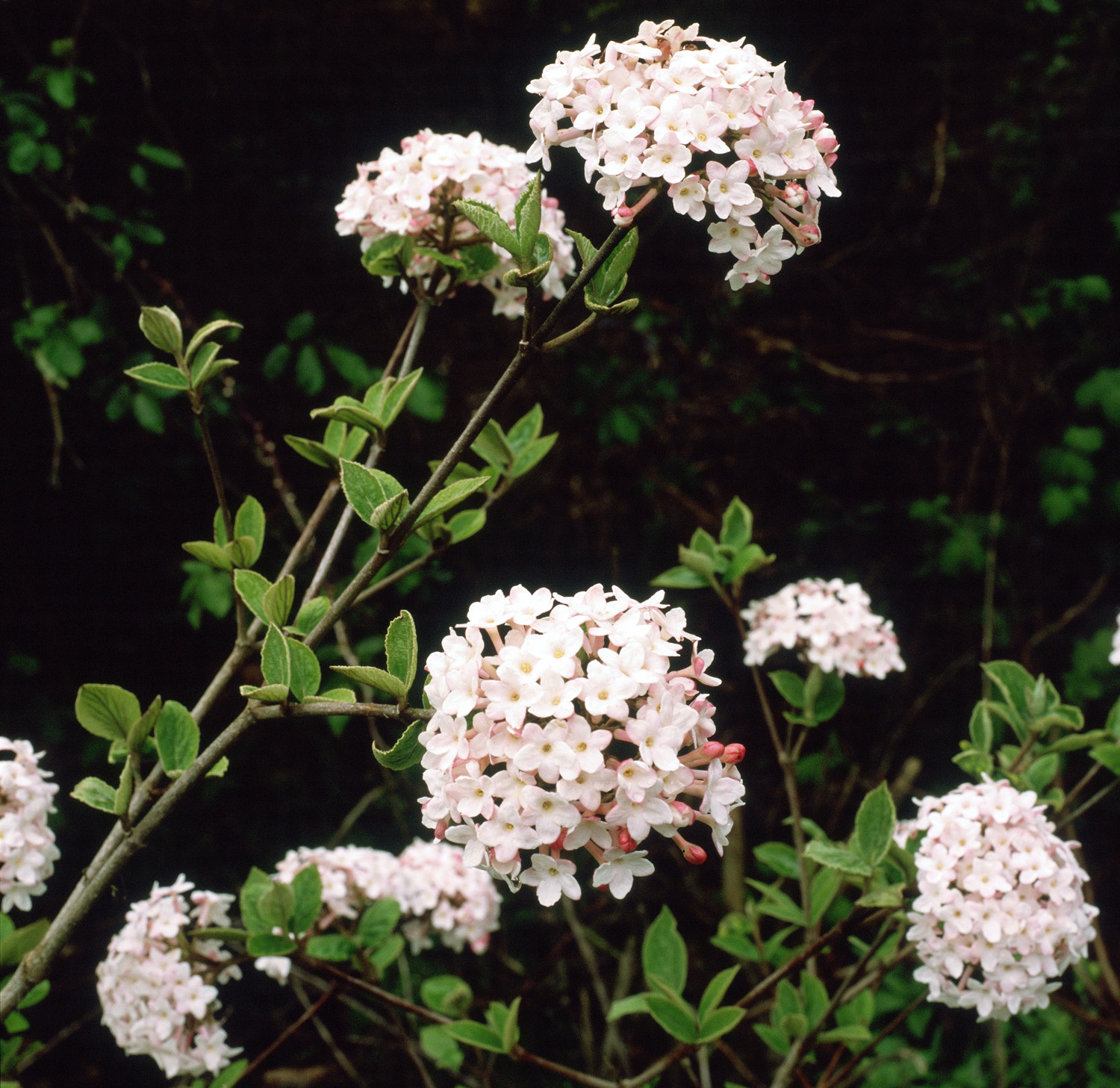
The real stars, though, are the flowers. Beginning in mid-spring (often around late April in Connecticut), the shrub becomes clothed in abundant clusters of small, tubular blooms. These flowers are pale pink in bud—a soft, sophisticated color that catches the eye—and open to creamy white. More importantly, they’re intensely fragrant. The scent is sweet and spicy, reminiscent of clove and hyacinth, and will drift across your garden on warm spring days, stopping visitors in their tracks.
Growing it in your garden
VIBURNUM X JUDDII is wonderfully adaptable and performs consistently well throughout New England. It’s a hybrid viburnum (a cross between VIBURNUM FRAGRANS and VIBURNUM CARLESII) that combines the hardiness and disease resistance of both parents, making it exceptionally reliable in Connecticut’s variable climate.
This plant prefers full sun to partial shade—at least four to six hours of direct sunlight brings out the best flowering and strongest fragrance. It’s not terribly fussy about soil, though it appreciates well-draining conditions and moderate moisture. Unlike some viburnums that sulk in acidic New England soils, Judd’s handles both acidic and slightly alkaline conditions with grace. The key is ensuring good drainage and consistent (but not waterlogged) moisture during establishment.
Plant it in spring or fall, giving it room to reach its mature size. These aren’t plants for tight spaces or constant shearing—they’re better appreciated when allowed to develop their natural form.
Through the seasons
Spring is Judd’s Viburnum’s moment to shine, with peak bloom typically occurring in May. The fragrant flowers last several weeks, providing a long window of enjoyment. Summer brings glossy green foliage and a restful presence in the garden—no drama, just solid, dependable structure.
In autumn, the leaves put on a quieter show than some ornamentals, turning shades of burgundy and mauve. Come winter, the bare branches reveal an attractive branching structure that adds architectural interest to the sleeping garden. It’s never a problem plant in Connecticut winters—no dieback, no struggle, no regret.
Where it shines
Plant Judd’s Viburnum where you’ll enjoy its spring fragrance—near a patio, along a frequently walked path, beside a garden bench, or near a window that opens on mild spring days. This is the perfect spot to capture that scent and fully appreciate one of the season’s best botanical gifts.
It works beautifully as a specimen shrub, as a screen planting, or as a layering plant in mixed borders. In a shaded woodland garden, it adds spring interest and structure. Near the house foundation, it provides year-round form and a spring olfactory bonus.
Perfect companions
Judd’s Viburnum pairs wonderfully with other spring bloomers like CARPINUS BETULUS (European Hornbeam) or shade-tolerant hellebores beneath. Underplant with spring bulbs—hellebores, early phlox, and bleeding heart—to extend the season of interest. Hostas and ferns make excellent companions for softening the base. In May borders, combine it with late-flowering magnolias, serviceberry, and ornamental cherries for layered spring color and texture.
Care tips
Judd’s Viburnum requires minimal maintenance once established. Water regularly during the first growing season to develop a deep, drought-tolerant root system. After that, it’s fairly self-sufficient, though consistent moisture during hot, dry Connecticut summers keeps it looking its best.
Pruning is largely unnecessary—the plant naturally develops attractive form. If you do prune, do it immediately after flowering in early summer; pruning later would remove next year’s flower buds. Deadheading spent flowers isn’t essential and will reduce berry production, so consider letting some flowers develop into the small red fruits that eventually turn black.
This viburnum isn’t particularly bothered by pests or diseases in Connecticut gardens. It’s simply one of those plants that works.
Quick facts
- Hardiness Zone: 4-8
- Mature Height & Spread: 6-8 feet tall by 6-8 feet wide
- Bloom Season: Late April to May
- Light Requirements: Full sun to partial shade (4-6 hours direct sunlight)
- Water Needs: Moderate; consistently moist but well-draining soil
- Available at: Both our retail and wholesale locations.