Juniper Parsonii

JUNIPERUS SQUAMATA ‘PARSONII’

If you’ve been searching for an evergreen that combines architectural drama with surprising softness, JUNIPERUS SQUAMATA ‘PARSONII’ might be the answer you’ve been waiting for. This isn’t your typical juniper—it’s a sculptural plant that looks like someone took a classic conifer and reimagined it with a more refined, almost artistic sensibility. The silvery-blue foliage catches light in ways that make your entire garden feel more intentional, more designed, more alive.

What it looks like

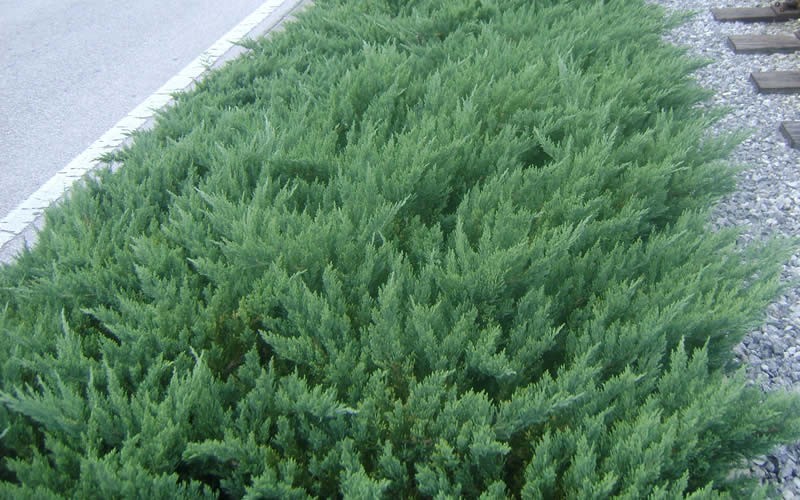
Juniper Parsonii is a prostrate, creeping evergreen with a distinctly unusual growth habit that sets it apart from run-of-the-mill groundcover junipers. It grows low and spreading, hugging the ground while its foliage rises in delicate, almost feathery tiers that feel almost cloud-like. The needle-like foliage is a striking silvery-blue, particularly vibrant in cooler months, giving it ornamental appeal year-round. The branches spread outward in graceful layers, creating a plant that looks equally stunning at eye level or cascading over a stone wall where you can admire its intricate texture.

Growing it in your garden

Here’s what makes Juniper Parsonii such a joy to grow in Connecticut gardens: it demands very little once established. It’s a sun-lover, so give it at least six hours of direct sunlight daily for best color and density. It’s surprisingly adaptable to our New England soil conditions, thriving in well-draining soil—it actually prefers on the dry side, making it an excellent choice if you’re tired of coddling moisture-hungry plants. The key to success is good drainage; in heavy clay soils, amend with sand or gravel to prevent the wet conditions it dislikes. Once you’ve planted it in a spot where it can dry out between waterings, you can practically forget about it.

Through the seasons

Spring brings fresh growth tips in brighter blue tones as new foliage emerges. Summer is when the plant truly shines—the silvery-blue color intensifies, and the architectural form becomes a focal point in the garden. Fall and winter are equally spectacular; the foliage actually becomes more intensely colored as temperatures drop, shifting to deeper blue and silvery tones that glow in winter’s pale sunlight. There’s no dramatic show of flowers or berries, but that’s the point—the plant itself is the ornament.

Where it shines

This is a plant that earned every inch of space it occupies. Use it as a specimen plant where its unique form can be appreciated from multiple angles. It’s phenomenal cascading over walls, terraces, or raised beds—the spreading habit and feathery texture look absolutely stunning when they can spill downward. In rock gardens or alpine troughs, Juniper Parsonii becomes a sculptural element that anchors the design. It’s also excellent in containers, where you can control its growing conditions and move it if needed. Because it tolerates dry conditions so well, it’s perfect for xeriscape gardens or areas where you’re trying to reduce irrigation.

Perfect companions

Juniper Parsonii plays beautifully with other sun-loving, drought-tolerant plants. Pair it with ornamental grasses like feather reed grass or miscanthus for textural contrast. Silver-foliaged plants like artemisia or santolina complement its cool tones. Sedums and sempervivums nearby create a cohesive rock garden aesthetic. You might also combine it with conifers in contrasting forms—perhaps an upright juniper or dwarf spruce—to create visual interest through shape variation.

Care tips

Water regularly during the first growing season to establish a deep root system, but then back off significantly. Mature plants are remarkably drought-tolerant—in fact, overwatering is more likely to cause problems than underwatering. No pruning is necessary; the plant naturally maintains its graceful, spreading form. In Connecticut’s humid summers, ensure good air circulation around the base to prevent fungal issues. A light application of balanced fertilizer in spring is all this plant needs. If it ever does get leggy or sparse, light shearing in early spring encourages denser growth.

Quick facts

  • Hardiness Zone: 4-8
  • Mature Height & Spread: 1-2 feet tall, 4-6 feet wide
  • Bloom Season: Non-flowering; ornamental foliage year-round
  • Light Requirements: Full sun (at least 6 hours daily)
  • Water Needs: Low to moderate; prefers dry conditions once established
  • Available at: Both our retail and wholesale locations.

Juniper Parsonii

Parson’s Juniper is a dense low growing evergreen shrub in the cypress family native to Asia. It grows 2-3 feet tall and spreads 4-10 feet wide. The blue-green to gray-green foliage has a soft texture and the shrub has an upright branching pattern.

Description

Juniper Parsonii

JUNIPERUS SQUAMATA ‘PARSONII’

If you’ve been searching for an evergreen that combines architectural drama with surprising softness, JUNIPERUS SQUAMATA ‘PARSONII’ might be the answer you’ve been waiting for. This isn’t your typical juniper—it’s a sculptural plant that looks like someone took a classic conifer and reimagined it with a more refined, almost artistic sensibility. The silvery-blue foliage catches light in ways that make your entire garden feel more intentional, more designed, more alive.

What it looks like

Juniper Parsonii is a prostrate, creeping evergreen with a distinctly unusual growth habit that sets it apart from run-of-the-mill groundcover junipers. It grows low and spreading, hugging the ground while its foliage rises in delicate, almost feathery tiers that feel almost cloud-like. The needle-like foliage is a striking silvery-blue, particularly vibrant in cooler months, giving it ornamental appeal year-round. The branches spread outward in graceful layers, creating a plant that looks equally stunning at eye level or cascading over a stone wall where you can admire its intricate texture.

Growing it in your garden

Here’s what makes Juniper Parsonii such a joy to grow in Connecticut gardens: it demands very little once established. It’s a sun-lover, so give it at least six hours of direct sunlight daily for best color and density. It’s surprisingly adaptable to our New England soil conditions, thriving in well-draining soil—it actually prefers on the dry side, making it an excellent choice if you’re tired of coddling moisture-hungry plants. The key to success is good drainage; in heavy clay soils, amend with sand or gravel to prevent the wet conditions it dislikes. Once you’ve planted it in a spot where it can dry out between waterings, you can practically forget about it.

Through the seasons

Spring brings fresh growth tips in brighter blue tones as new foliage emerges. Summer is when the plant truly shines—the silvery-blue color intensifies, and the architectural form becomes a focal point in the garden. Fall and winter are equally spectacular; the foliage actually becomes more intensely colored as temperatures drop, shifting to deeper blue and silvery tones that glow in winter’s pale sunlight. There’s no dramatic show of flowers or berries, but that’s the point—the plant itself is the ornament.

Where it shines

This is a plant that earned every inch of space it occupies. Use it as a specimen plant where its unique form can be appreciated from multiple angles. It’s phenomenal cascading over walls, terraces, or raised beds—the spreading habit and feathery texture look absolutely stunning when they can spill downward. In rock gardens or alpine troughs, Juniper Parsonii becomes a sculptural element that anchors the design. It’s also excellent in containers, where you can control its growing conditions and move it if needed. Because it tolerates dry conditions so well, it’s perfect for xeriscape gardens or areas where you’re trying to reduce irrigation.

Perfect companions

Juniper Parsonii plays beautifully with other sun-loving, drought-tolerant plants. Pair it with ornamental grasses like feather reed grass or miscanthus for textural contrast. Silver-foliaged plants like artemisia or santolina complement its cool tones. Sedums and sempervivums nearby create a cohesive rock garden aesthetic. You might also combine it with conifers in contrasting forms—perhaps an upright juniper or dwarf spruce—to create visual interest through shape variation.

Care tips

Water regularly during the first growing season to establish a deep root system, but then back off significantly. Mature plants are remarkably drought-tolerant—in fact, overwatering is more likely to cause problems than underwatering. No pruning is necessary; the plant naturally maintains its graceful, spreading form. In Connecticut’s humid summers, ensure good air circulation around the base to prevent fungal issues. A light application of balanced fertilizer in spring is all this plant needs. If it ever does get leggy or sparse, light shearing in early spring encourages denser growth.

Quick facts

  • Hardiness Zone: 4-8
  • Mature Height & Spread: 1-2 feet tall, 4-6 feet wide
  • Bloom Season: Non-flowering; ornamental foliage year-round
  • Light Requirements: Full sun (at least 6 hours daily)
  • Water Needs: Low to moderate; prefers dry conditions once established
  • Available at: Both our retail and wholesale locations.