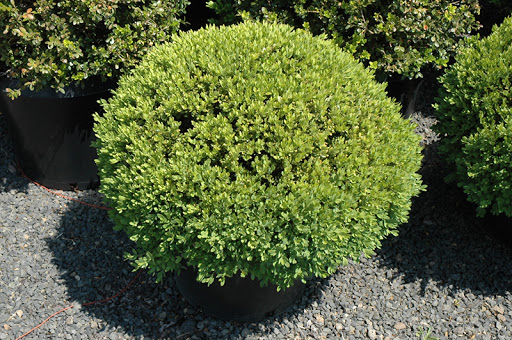
ILEX CRENATA ‘GREEN VELVET’

If you’ve been searching for a boxwood that actually thrives in Connecticut’s temperamental climate without the fussiness, Korean Green Velvet might be the answer you’ve been hoping for. This exceptional cultivar combines the elegant, refined look of a true boxwood with the resilience of its Korean heritage—meaning it laughs in the face of our brutal winters and unpredictable spring freezes. It’s the plant for gardeners who want that sophisticated, manicured aesthetic without spending every weekend troubleshooting pest problems or winter dieback.

What it looks like

Korean Green Velvet lives up to its name entirely. The foliage is dense, compact, and—yes—genuinely velvety to the touch, with a rich, true green color that holds beautifully throughout the year. The leaves are slightly smaller and more refined than many boxwood varieties, creating an almost feathery texture when you run your hand across the branches. This is a naturally compact grower with an upright, columnar form that’s remarkably symmetrical without demanding constant pruning. It’s the kind of plant that looks purposeful and intentional in any garden setting, whether you’re using it as a focal point, a hedge, or a foundation anchor.

Growing it in your garden

Here’s what makes Korean Green Velvet genuinely special: it’s far more adaptable than many of its boxwood cousins. While it prefers well-draining soil with some organic matter worked in, it’s more forgiving of imperfect conditions than BUXUS SEMPERVIRENS. It handles our acidic New England soils without complaint, and it’s significantly more cold-hardy than traditional English boxwood—a real advantage in Connecticut’s Zone 6 and 7 gardens. Plant it in a location with good air circulation, which helps prevent the fungal issues that plague boxwoods in stagnant, humid conditions. Morning sun followed by afternoon shade is ideal, though it adapts to full sun with consistent moisture during establishment.

Through the seasons

Winter is where Korean Green Velvet truly distinguishes itself. While many boxwoods turn that telltale bronzy-brown in deep cold, this cultivar maintains its vibrant green color even through Connecticut’s harshest freezes. It doesn’t suffer the winter burn or dieback that can plague less hardy varieties. Spring brings fresh, tender growth without any hesitation—no delayed leafing out or crossing your fingers that frost damage will be minimal. Summer is when you get to enjoy that gorgeous velvety texture at its best, the plant reaching its full ornamental potential. Fall? There’s no dramatic show, but that’s exactly the point. Korean Green Velvet is a reliable, steady presence in the garden year-round, never calling attention to itself with problems or color shifts.

Where it shines

Use Korean Green Velvet anywhere you want structure without attitude. It’s phenomenal as a hedge or screen—the compact growth and dense branching create a refined privacy barrier that looks far more elegant than chain-link and a arborvitae. Plant it as sentinels flanking an entryway or gate. It works beautifully in foundation plantings, where its upright form echoes architectural lines without growing too large or demanding constant shearing. In mixed borders, it provides the evergreen structure that anchors plantings through winter. It’s also an excellent choice for containers in protected locations, giving you that sophisticated topiary look without years of fussy maintenance.

Perfect companions

Korean Green Velvet pairs wonderfully with plants that share its refined aesthetic. Underplant it with shade-tolerant sedges or fine-textured hostas. Combine it with Japanese maples for a sophisticated layering effect. Spring bulbs—think creamy white tulips or pale hellebores—soften its formality. Hydrangeas work beautifully nearby, providing seasonal interest while the Green Velvet provides year-round structure. Evergreen ferns like POLYSTICHUM add textural contrast without competing for attention.

Care tips

Water regularly during the first full growing season to establish a deep root system. Once established, Korean Green Velvet is remarkably drought-tolerant compared to other boxwoods. Prune in early spring or midsummer if you want to maintain a specific shape, though its naturally compact form means you can often simply enjoy it as-is. If you do notice any branch dieback, remove it promptly to maintain the plant’s appearance. In our New England springs, watch for any signs of boxwood psyllid or leaf miners—early detection makes management simple. A light application of balanced fertilizer in early spring supports healthy growth, but don’t overdo it; boxwoods don’t need heavy feeding.

Quick facts

  • Hardiness Zone: 5–9
  • Mature Height & Spread: 4–6 feet tall, 2–3 feet wide
  • Bloom Season: Insignificant flowers; grown for foliage
  • Light Requirements: Full sun to part shade
  • Water Needs: Moderate; prefers consistent moisture during establishment
  • Available at: Both our retail and wholesale locations

Korean Green Velvet

An extremely hardy,ideal for hedges, Fantastic color retention in the winter along with being deer resistance.

Zoning: 3-9
Mature Height and Spread: 3-4’

Description

ILEX CRENATA ‘GREEN VELVET’

If you’ve been searching for a boxwood that actually thrives in Connecticut’s temperamental climate without the fussiness, Korean Green Velvet might be the answer you’ve been hoping for. This exceptional cultivar combines the elegant, refined look of a true boxwood with the resilience of its Korean heritage—meaning it laughs in the face of our brutal winters and unpredictable spring freezes. It’s the plant for gardeners who want that sophisticated, manicured aesthetic without spending every weekend troubleshooting pest problems or winter dieback.

What it looks like

Korean Green Velvet lives up to its name entirely. The foliage is dense, compact, and—yes—genuinely velvety to the touch, with a rich, true green color that holds beautifully throughout the year. The leaves are slightly smaller and more refined than many boxwood varieties, creating an almost feathery texture when you run your hand across the branches. This is a naturally compact grower with an upright, columnar form that’s remarkably symmetrical without demanding constant pruning. It’s the kind of plant that looks purposeful and intentional in any garden setting, whether you’re using it as a focal point, a hedge, or a foundation anchor.

Growing it in your garden

Here’s what makes Korean Green Velvet genuinely special: it’s far more adaptable than many of its boxwood cousins. While it prefers well-draining soil with some organic matter worked in, it’s more forgiving of imperfect conditions than BUXUS SEMPERVIRENS. It handles our acidic New England soils without complaint, and it’s significantly more cold-hardy than traditional English boxwood—a real advantage in Connecticut’s Zone 6 and 7 gardens. Plant it in a location with good air circulation, which helps prevent the fungal issues that plague boxwoods in stagnant, humid conditions. Morning sun followed by afternoon shade is ideal, though it adapts to full sun with consistent moisture during establishment.

Through the seasons

Winter is where Korean Green Velvet truly distinguishes itself. While many boxwoods turn that telltale bronzy-brown in deep cold, this cultivar maintains its vibrant green color even through Connecticut’s harshest freezes. It doesn’t suffer the winter burn or dieback that can plague less hardy varieties. Spring brings fresh, tender growth without any hesitation—no delayed leafing out or crossing your fingers that frost damage will be minimal. Summer is when you get to enjoy that gorgeous velvety texture at its best, the plant reaching its full ornamental potential. Fall? There’s no dramatic show, but that’s exactly the point. Korean Green Velvet is a reliable, steady presence in the garden year-round, never calling attention to itself with problems or color shifts.

Where it shines

Use Korean Green Velvet anywhere you want structure without attitude. It’s phenomenal as a hedge or screen—the compact growth and dense branching create a refined privacy barrier that looks far more elegant than chain-link and a arborvitae. Plant it as sentinels flanking an entryway or gate. It works beautifully in foundation plantings, where its upright form echoes architectural lines without growing too large or demanding constant shearing. In mixed borders, it provides the evergreen structure that anchors plantings through winter. It’s also an excellent choice for containers in protected locations, giving you that sophisticated topiary look without years of fussy maintenance.

Perfect companions

Korean Green Velvet pairs wonderfully with plants that share its refined aesthetic. Underplant it with shade-tolerant sedges or fine-textured hostas. Combine it with Japanese maples for a sophisticated layering effect. Spring bulbs—think creamy white tulips or pale hellebores—soften its formality. Hydrangeas work beautifully nearby, providing seasonal interest while the Green Velvet provides year-round structure. Evergreen ferns like POLYSTICHUM add textural contrast without competing for attention.

Care tips

Water regularly during the first full growing season to establish a deep root system. Once established, Korean Green Velvet is remarkably drought-tolerant compared to other boxwoods. Prune in early spring or midsummer if you want to maintain a specific shape, though its naturally compact form means you can often simply enjoy it as-is. If you do notice any branch dieback, remove it promptly to maintain the plant’s appearance. In our New England springs, watch for any signs of boxwood psyllid or leaf miners—early detection makes management simple. A light application of balanced fertilizer in early spring supports healthy growth, but don’t overdo it; boxwoods don’t need heavy feeding.

Quick facts

  • Hardiness Zone: 5–9
  • Mature Height & Spread: 4–6 feet tall, 2–3 feet wide
  • Bloom Season: Insignificant flowers; grown for foliage
  • Light Requirements: Full sun to part shade
  • Water Needs: Moderate; prefers consistent moisture during establishment
  • Available at: Both our retail and wholesale locations