Korean Spice Viburnum

VIBURNUM CARLESII

What if one plant could deliver the most intoxicating fragrance of spring, stunning pink-tinged white flowers, deep burgundy fall color, and winter interest all in one compact package? The Korean Spice Viburnum isn’t just a shrub—it’s a sensory experience that transforms your Connecticut garden into something you’ll actually want to spend time in, even during the awkward shoulder seasons when most plants are doing absolutely nothing.

What it looks like

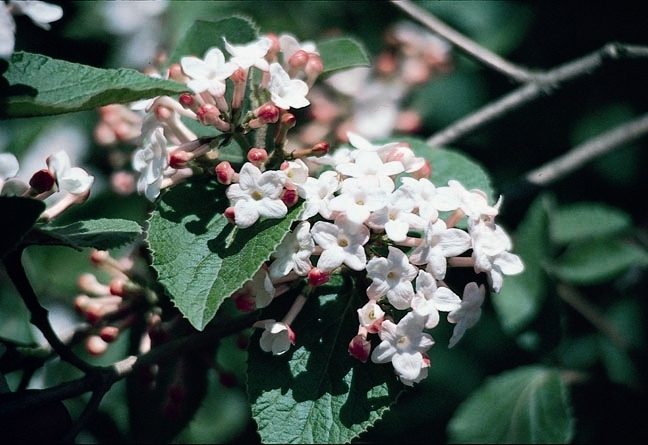
Korean Spice Viburnum grows as a rounded, deciduous shrub with an elegant, somewhat vase-shaped form. The glossy, deep green leaves are distinctly textured with prominent veining that gives the whole plant a refined appearance even when it’s not in bloom. Come spring, the magic happens: clusters of delicate, heavily fragrant flowers emerge in shades of blush pink deepening to white as they mature. These aren’t tiny, forgettable blooms—they’re substantial enough to make a real statement, covering the branches in a generous display.

The flower clusters are domed and densely packed, measuring 2-4 inches across. If conditions cooperate and you get a warm spring, you might even catch the bonus of small red berries in late summer before the birds discover them. But honestly, it’s the fall transformation that seals the deal: the foliage shifts into rich burgundies and purples that hold their color longer than you’d expect in our region.

Growing it in your garden

Here’s what makes VIBURNUM CARLESII such a reliable choice for Connecticut gardeners: it’s genuinely unbothered by our climate. This shrub laughs in the face of zone 5 winters. It’s not fussy about soil pH, though it does prefer something closer to neutral rather than heavily acidic. It’s not going to sulk if you plant it in less-than-perfect conditions, though it will absolutely reward you if you give it a decent spot with well-draining soil.

The key to maximizing bloom production is giving it a location with at least 4-6 hours of direct sunlight daily. Morning sun is particularly beneficial—it helps those flower buds develop with more vigor and intensity. Afternoon shade becomes a plus during hot summers, preventing stress on the plant during peak heat.

Through the seasons

Spring is obviously the superstar season, with that incomparable fragrance that’ll have neighbors asking what you’re growing. The scent is intense without being cloying—imagine clove and vanilla with a hint of something spiced and exotic. Plant it near a seating area or along a path where you’ll actually encounter it on warm April mornings.

Summer finds the Korean Spice Viburnum settling into a solid supporting role, providing reliable green structure and texture to the garden. It maintains that tidy, attractive form without becoming sprawling or overgrown. Late summer might bring those dark red berries, which add visual interest even if the birds take them quickly.

Fall arrives with that stunning color shift. The foliage moves through burgundy and deep purple, creating a beautiful contrast with neighboring plants. Even after the leaves drop, the gray branches have a certain architectural charm, and the plant provides nice structure to the winter garden.

Where it shines

This shrub is absolutely perfect as a specimen plant where you want to showcase it—maybe outside a kitchen window so you catch that spring fragrance while doing dishes, or positioned where morning light illuminates the flowers. It’s equally at home in foundation plantings, mixed borders, or as part of a fragrant garden collection.

Korean Spice Viburnum works beautifully in groups of three for more dramatic impact, or as a solitary anchor in a cottage-garden style landscape. The fragrance makes it a natural choice for sensory gardens designed specifically around scent.

Perfect companions

Pair this with other spring bloomers that need different light or form different shapes—perhaps a dwarf Alberta spruce for year-round structure, or spring bulbs like MUSCARI and TULIPS around its base for layered bloom times. Shade-tolerant hostas create a nice textural contrast at the base. Late bloomers like Summer Sweet or Smooth Hydrangea are excellent companions for extended season interest, carrying the garden’s energy forward when the viburnum quiets down.

Care tips

Korean Spice Viburnum needs minimal pruning once established—just remove any dead wood or crossing branches right after flowering. If you’re deadheading spent flowers to encourage more blooms, do it immediately after the flowers fade. Water regularly during the first year to establish a strong root system, then it becomes quite drought-tolerant.

Mulch around the base with 2-3 inches of organic material to keep soil cool and retain moisture. Watch for potential viburnum beetle in early spring, though Korean Spice varieties are less susceptible than some other viburnums. If you do notice damaged new growth, prune it out promptly.

Quick facts

  • Hardiness Zone: 4-8 (reliably hardy throughout Connecticut)
  • Mature Height & Spread: 4-8 feet tall and 4-8 feet wide
  • Bloom Season: April to May
  • Light Requirements: Full sun to partial shade (at least 4-6 hours direct sun optimal)
  • Water Needs: Moderate; drought-tolerant once established
  • Available at: Both our retail and wholesale locations

Korean Spice Viburnum

Category:

A slow growing rounded shrub with pink flowers and outstanding fragrance.

Zoning: 4-7
Mature Height and Spread: 4-8’

Description

Korean Spice Viburnum

VIBURNUM CARLESII

What if one plant could deliver the most intoxicating fragrance of spring, stunning pink-tinged white flowers, deep burgundy fall color, and winter interest all in one compact package? The Korean Spice Viburnum isn’t just a shrub—it’s a sensory experience that transforms your Connecticut garden into something you’ll actually want to spend time in, even during the awkward shoulder seasons when most plants are doing absolutely nothing.

What it looks like

Korean Spice Viburnum grows as a rounded, deciduous shrub with an elegant, somewhat vase-shaped form. The glossy, deep green leaves are distinctly textured with prominent veining that gives the whole plant a refined appearance even when it’s not in bloom. Come spring, the magic happens: clusters of delicate, heavily fragrant flowers emerge in shades of blush pink deepening to white as they mature. These aren’t tiny, forgettable blooms—they’re substantial enough to make a real statement, covering the branches in a generous display.

The flower clusters are domed and densely packed, measuring 2-4 inches across. If conditions cooperate and you get a warm spring, you might even catch the bonus of small red berries in late summer before the birds discover them. But honestly, it’s the fall transformation that seals the deal: the foliage shifts into rich burgundies and purples that hold their color longer than you’d expect in our region.

Growing it in your garden

Here’s what makes VIBURNUM CARLESII such a reliable choice for Connecticut gardeners: it’s genuinely unbothered by our climate. This shrub laughs in the face of zone 5 winters. It’s not fussy about soil pH, though it does prefer something closer to neutral rather than heavily acidic. It’s not going to sulk if you plant it in less-than-perfect conditions, though it will absolutely reward you if you give it a decent spot with well-draining soil.

The key to maximizing bloom production is giving it a location with at least 4-6 hours of direct sunlight daily. Morning sun is particularly beneficial—it helps those flower buds develop with more vigor and intensity. Afternoon shade becomes a plus during hot summers, preventing stress on the plant during peak heat.

Through the seasons

Spring is obviously the superstar season, with that incomparable fragrance that’ll have neighbors asking what you’re growing. The scent is intense without being cloying—imagine clove and vanilla with a hint of something spiced and exotic. Plant it near a seating area or along a path where you’ll actually encounter it on warm April mornings.

Summer finds the Korean Spice Viburnum settling into a solid supporting role, providing reliable green structure and texture to the garden. It maintains that tidy, attractive form without becoming sprawling or overgrown. Late summer might bring those dark red berries, which add visual interest even if the birds take them quickly.

Fall arrives with that stunning color shift. The foliage moves through burgundy and deep purple, creating a beautiful contrast with neighboring plants. Even after the leaves drop, the gray branches have a certain architectural charm, and the plant provides nice structure to the winter garden.

Where it shines

This shrub is absolutely perfect as a specimen plant where you want to showcase it—maybe outside a kitchen window so you catch that spring fragrance while doing dishes, or positioned where morning light illuminates the flowers. It’s equally at home in foundation plantings, mixed borders, or as part of a fragrant garden collection.

Korean Spice Viburnum works beautifully in groups of three for more dramatic impact, or as a solitary anchor in a cottage-garden style landscape. The fragrance makes it a natural choice for sensory gardens designed specifically around scent.

Perfect companions

Pair this with other spring bloomers that need different light or form different shapes—perhaps a dwarf Alberta spruce for year-round structure, or spring bulbs like MUSCARI and TULIPS around its base for layered bloom times. Shade-tolerant hostas create a nice textural contrast at the base. Late bloomers like Summer Sweet or Smooth Hydrangea are excellent companions for extended season interest, carrying the garden’s energy forward when the viburnum quiets down.

Care tips

Korean Spice Viburnum needs minimal pruning once established—just remove any dead wood or crossing branches right after flowering. If you’re deadheading spent flowers to encourage more blooms, do it immediately after the flowers fade. Water regularly during the first year to establish a strong root system, then it becomes quite drought-tolerant.

Mulch around the base with 2-3 inches of organic material to keep soil cool and retain moisture. Watch for potential viburnum beetle in early spring, though Korean Spice varieties are less susceptible than some other viburnums. If you do notice damaged new growth, prune it out promptly.

Quick facts

  • Hardiness Zone: 4-8 (reliably hardy throughout Connecticut)
  • Mature Height & Spread: 4-8 feet tall and 4-8 feet wide
  • Bloom Season: April to May
  • Light Requirements: Full sun to partial shade (at least 4-6 hours direct sun optimal)
  • Water Needs: Moderate; drought-tolerant once established
  • Available at: Both our retail and wholesale locations