
Description

MAGNOLIA × LOEBNERI ‘LEONARD MESSEL’
What if you could have the elegance of a flowering magnolia without the risk of late spring frosts turning those precious buds to mush? Meet Leonard Messel—a magnolia that blooms later than its fussier cousins, giving it a real fighting chance in Connecticut’s unpredictable climate. This hybrid magnolia sits somewhere between delicate and dependable, offering the refined beauty you crave without the heartbreak.
What it looks like
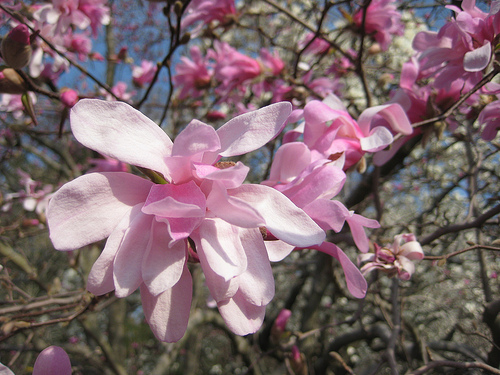
Leonard Messel is a refined, upright deciduous shrub with an architectural branching pattern that makes it interesting even before the flowers arrive. The star of the show arrives in mid to late spring when the tree erupts in semi-double flowers—pale pink blooms with darker pink striping on the reverse of the petals. These flowers are substantial and fragrant, with a delicate complexity that feels almost too elegant for a typical suburban garden. The blooms emerge before the foliage fully leafs out, creating that magical moment when the entire plant seems to be made of flowers. As the season progresses, the leaves emerge—medium green, slightly textured, turning a pleasant golden-bronze in fall before dropping.
Growing it in your garden
Leonard Messel thrives in full sun to partial shade, though it performs best with at least four to six hours of direct sunlight. Unlike some magnolias that demand perfectly drained soil, this cultivar is more forgiving of the clay-based soils common throughout Connecticut. That said, it appreciates soil that’s been amended with compost or peat moss to improve both drainage and moisture retention—think of it as a sweet spot between wet and dry. Plant in spring for best results, giving the root system time to establish before winter arrives. This magnolia develops a naturally pyramidal form and doesn’t require aggressive pruning, which is lovely news if you’re not interested in fighting with its natural shape.
Through the seasons
Spring is when Leonard Messel truly shines, with those semi-double flowers putting on their show starting in late April or early May—safely past most of Connecticut’s killer late frosts. Summer brings glossy foliage that provides a beautiful backdrop for other plantings, and the tree maintains a neat appearance without becoming overgrown or leggy. Fall transforms the leaves into warm bronze and gold tones before they drop, revealing the elegant branch structure underneath. Winter shows off the tree’s architectural form; the buds that will become next spring’s flowers are visible and ornamental in their own right. It’s a plant that earns its space in your garden across all four seasons.
Where it shines
This is your magnolia for a focal point in a mixed shrub border, where its spring flowers will naturally draw the eye and its year-round structure provides framework for other plants. It works beautifully as a specimen plant, particularly in a location where morning sun encourages earlier blooming without exposing those buds to the full heat of afternoon. Leonard Messel is excellent in a woodland edge setting, where it can enjoy dappled afternoon shade. It’s also ideal for gardeners who’ve lost magnolias to late frosts in the past—the later bloom time significantly improves your odds of flower survival in our unpredictable New England springs.
Perfect companions
Leonard Messel pairs beautifully with underplantings of spring ephemerals like hellebores, bleeding heart, or trillium, which appreciate the dappled shade it provides once the canopy fills in. Combine it with spring-blooming bulbs—daffodils, tulips, and alliums create layers of interest at ground level while the magnolia steals the show overhead. In mixed borders, it looks stunning alongside other spring bloomers like viburnums, serviceberries, and native azaleas. The pale pink flowers coordinate gorgeously with ornamental grasses and fine-textured perennials that provide contrast.
Care tips
Water regularly during the first year while the root system establishes itself, then Leonard Messel becomes moderately drought-tolerant once mature. Mulch around the base with two to three inches of organic material, keeping it pulled back slightly from the trunk to prevent rot. Prune only as needed to remove crossing branches or maintain shape—magnolias appreciate a light touch. The good news: this plant is generally pest and disease-resistant in our region. Avoid planting too deeply; the soil line on the root ball should remain at or slightly above ground level.
Quick facts
- Hardiness Zone: 4-8
- Mature Height & Spread: 20-25 feet tall, 15-20 feet wide
- Bloom Season: Late April to May
- Light Requirements: Full sun to partial shade (4-6 hours direct sun preferred)
- Water Needs: Moderate; regular watering during establishment, drought-tolerant once mature
- Available at: Both our retail and wholesale locations