
Description
LEUCOTHOE
If you’ve been searching for something that handles wet soil, deep shade, and Connecticut winters without complaint, while still delivering year-round visual interest—well, you’ve found your plant. Leucothoe is the quiet overachiever of the shade garden, a native understory shrub that thrives in exactly the conditions where most plants throw in the towel. It’s architectural, elegant, and surprisingly tough, making it one of those rare discoveries that transforms a challenging corner into a genuine garden highlight.
What it looks like
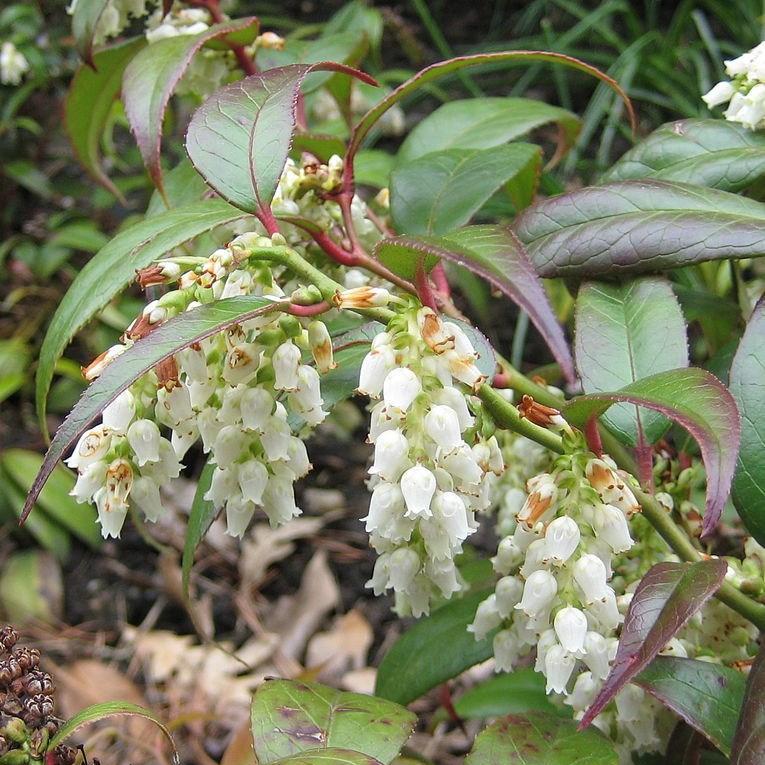
Leucothoe is a graceful, fine-textured evergreen shrub with an open, slightly arching habit that brings real movement and dimension to the landscape. The glossy, lance-shaped leaves are deep green in warmer months, but here’s where it gets interesting—many varieties blush bronze, burgundy, or copper when temperatures drop in fall and winter. Come late spring, delicate chains of small, bell-shaped white flowers dangle along the branches like woodland jewelry, filling the shade garden with subtle, honeyed fragrance. The flowering display is understated but utterly charming, lasting several weeks. Even after the blooms fade, the elegant foliage and graceful branching structure keep the plant looking polished and intentional.
Growing it in your garden
This is where LEUCOTHOE truly shines in Connecticut gardens. Unlike many shade plants that perform adequately but feel like compromises, Leucothoe actually seems to prefer the conditions we have plenty of here in New England. It loves shade—deep, dappled, or partial—and isn’t bothered one bit by the heavy, acidic soils common to our region. In fact, it often struggles in full sun or very hot locations. Think of it as a plant that wants what our Connecticut woodlands naturally provide. Plant in moist, well-draining soil rich in organic matter, and you’ll have a happy shrub that settles right in. It’s also a solid choice for areas with poor drainage or seeping groundwater where many ornamentals would simply sulk.
Through the seasons
Spring brings those charming flower chains, which appear right on schedule as the weather warms. Through summer, LEUCOTHOE provides consistent, fine-textured evergreen foliage in shaded areas where deciduous shrubs might look thin or sparse. The leaves maintain their deep green hue while other plants fade in the heat. Fall is when the color show begins—depending on variety and winter’s severity, foliage may shift to rich bronze, burgundy, or deep copper tones, adding unexpected warmth to the autumn landscape. Winter is perhaps its most valuable season in Connecticut; when deciduous shrubs are bare skeletons, Leucothoe remains fully clothed in foliage, often with those dramatic winter color tones fully developed, providing structure and color when the garden needs it most. Even heavy snow and ice don’t diminish its appeal.
Where it shines
Leucothoe is absolutely magnificent at the woodland’s edge or in shade borders, where its fine-textured foliage and arching habit create natural movement and depth. It’s ideal for shaded foundation plantings, especially on the north or east sides of homes where afternoon sun won’t bother it. Pair it with hostas, ferns, and other shade perennials, or use it as a backdrop in mixed shade borders. It’s also excellent in containers, where you can move it to the most dramatic spots on your patio or entryway. Because it tolerates wet soil so gracefully, it’s perfect for rain gardens, low-lying areas, or near downspout drainage zones. In Connecticut gardens, Leucothoe performs beautifully in woodland settings or naturalized areas where it can grow with minimal fussing.
Perfect companions
Leucothoe pairs beautifully with other shade-loving plants that appreciate acidic soil. Rhododendrons and mountain laurels are natural companions, creating layers of spring color. Combine it with Japanese painted ferns for textural contrast, or underplant with hellebores, coral bells, and woodland phlox. Large-leafed hostas create a striking foil to Leucothoe’s fine, delicate texture. It also looks sophisticated alongside other evergreen shrubs like boxwoods or Japanese holly.
Care tips
Once established, LEUCOTHOE is remarkably low-maintenance. Water regularly during the first growing season to establish a strong root system, then it becomes quite self-sufficient, especially in Connecticut’s typically adequate rainfall. Mulch with 2 to 3 inches of organic material—pine needles or shredded leaves are ideal—to keep roots cool and maintain soil moisture. Pruning is rarely necessary; if you want to shape it, prune lightly after flowering. The plant’s natural habit is quite attractive left unpruned. No serious pests or diseases plague it in our region, making it a genuinely worry-free choice.
Quick facts
- Hardiness Zone: 4-8
- Mature Height & Spread: 3-6 feet tall and wide, depending on variety
- Bloom Season: Late April through May
- Light Requirements: Partial to deep shade; dislikes full sun
- Water Needs: Medium to moist; tolerates poorly drained soils
- Available at: Both our retail and wholesale locations.