Little Princess

SPIRAEA JAPONICA ‘LITTLE PRINCESS’

What if one plant could give you months of color, ask for almost nothing in return, and still look graceful and refined? SPIRAEA JAPONICA ‘LITTLE PRINCESS’ is that plant. This is the spirea that changed people’s minds about spireas—the one that proves a dwarf shrub can have real presence in a garden without taking over the whole border. If you want reliable, cheerful color from early summer straight through fall, in a footprint that actually fits most gardens, this is what you’ve been looking for.

What it looks like

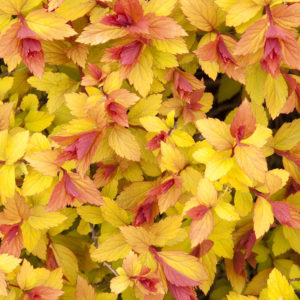
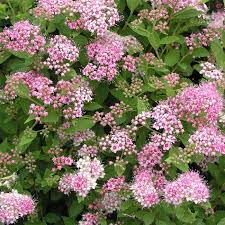
Little Princess is the kind of shrub that makes you smile every time you walk past it. It grows as a tidy, mounding mass of fine-textured foliage—soft, narrow leaves that are bronzy-green when they emerge in spring, then turn a pleasant medium green through summer. But the real show happens when the flowers arrive. Bright rose-pink flowers cluster in flat-topped sprays all over the plant, creating this wonderful cotton-candy effect from June right through September. The flowers fade to a softer mauve-pink as they age, so you get a lovely blend of colors on the plant at any given time. The whole effect is delicate and airy, nothing heavy or overwhelming.

Growing it in your garden

Here’s the beautiful part: Little Princess is absurdly easy to grow in Connecticut and throughout New England. It’s not fussy about soil—tolerates clay, sand, and everything in between. It prefers full sun for the best flower production and most compact growth, though it’ll perform decently in part sun if that’s what you have. Plant it in spring or fall, space multiple plants about two feet apart if you’re creating a mass planting, and water regularly the first season while it’s getting established. Once settled in, it’s remarkably drought-tolerant, which is a genuine bonus during our increasingly dry summers. You can plant it literally and forget it, and it’ll reward you with flowers.

Through the seasons

Spring brings fresh, emerging foliage with that attractive bronze tint—it’s a quiet beauty before the real show begins. Early summer is when Little Princess really introduces itself; the flowers start appearing in June and just keep coming. Unlike some spireas that flower once and call it a season, this one is a continuous bloomer if you deadhead spent flowers (though it’s not required—the plant will flower again even without deadheading). Into fall, the foliage transitions to warmer orange and bronze tones before dropping for winter. Even in winter, the fine-textured branching structure has a delicate appeal. This isn’t a plant that disappears entirely once frost arrives.

Where it shines

This is a front-of-the-border workhorse. Plant it along pathways where you can enjoy the flowers at close range. It’s perfect for foundation plantings where you need something that won’t eventually block your windows. Use it in mass plantings for a river of pink color—plant five or seven of them in a curve through a bed, and you’ve got a focal point. It’s also excellent in containers if you want the flexibility to move it around or enjoy it on a patio. Because it’s so compact and tidy, it looks at home in cottage gardens, modern gardens, traditional landscapes, and everything in between. Nothing about Little Princess screams “formal” or “rustic”—it just quietly works everywhere.

Perfect companions

Pair Little Princess with plants that have bolder foliage to let its delicate texture shine. Purple-leaved heuchera makes a gorgeous contrast. Ornamental grasses—especially compact varieties like FESTUCA GLAUCA—echo the fine-textured feel while adding movement. White-flowering perennials like coreopsis or blanket flower create a cheerful combination with the pink flowers. For shrub companions, consider variegated boxwoods or compact junipers. The beauty of Little Princess is that it plays nicely with almost everything; it’s not the type of plant that demands to be the center of attention.

Care tips

Prune lightly in early spring to shape the plant and remove any winter damage—Little Princess responds well to pruning and quickly fills back in. If you want to encourage more flowers, deadhead faded blooms, but this isn’t essential. Avoid heavy pruning or cutting it back hard; this plant looks its best with a light touch. In exceptionally dry years, water during drought periods. Watch for spider mites in hot, dry conditions—a strong spray from the hose usually handles any problems before they become serious. Fertilizing isn’t necessary, though a light application of balanced fertilizer in spring won’t hurt.

Quick facts

  • Hardiness Zone: Zones 3–8 (thrives throughout Connecticut and New England)
  • Mature Height & Spread: 2–3 feet tall and wide
  • Bloom Season: June through September
  • Light Requirements: Full sun to part sun
  • Water Needs: Moderate; drought-tolerant once established
  • Available at: Both our retail and wholesale locations

Little Princess

Category:

Large leaves with deep pink flowers.

Zoning: 4-8
Mature Height and Spread: 2-3’

Description

Little Princess

SPIRAEA JAPONICA ‘LITTLE PRINCESS’

What if one plant could give you months of color, ask for almost nothing in return, and still look graceful and refined? SPIRAEA JAPONICA ‘LITTLE PRINCESS’ is that plant. This is the spirea that changed people’s minds about spireas—the one that proves a dwarf shrub can have real presence in a garden without taking over the whole border. If you want reliable, cheerful color from early summer straight through fall, in a footprint that actually fits most gardens, this is what you’ve been looking for.

What it looks like

Little Princess is the kind of shrub that makes you smile every time you walk past it. It grows as a tidy, mounding mass of fine-textured foliage—soft, narrow leaves that are bronzy-green when they emerge in spring, then turn a pleasant medium green through summer. But the real show happens when the flowers arrive. Bright rose-pink flowers cluster in flat-topped sprays all over the plant, creating this wonderful cotton-candy effect from June right through September. The flowers fade to a softer mauve-pink as they age, so you get a lovely blend of colors on the plant at any given time. The whole effect is delicate and airy, nothing heavy or overwhelming.

Growing it in your garden

Here’s the beautiful part: Little Princess is absurdly easy to grow in Connecticut and throughout New England. It’s not fussy about soil—tolerates clay, sand, and everything in between. It prefers full sun for the best flower production and most compact growth, though it’ll perform decently in part sun if that’s what you have. Plant it in spring or fall, space multiple plants about two feet apart if you’re creating a mass planting, and water regularly the first season while it’s getting established. Once settled in, it’s remarkably drought-tolerant, which is a genuine bonus during our increasingly dry summers. You can plant it literally and forget it, and it’ll reward you with flowers.

Through the seasons

Spring brings fresh, emerging foliage with that attractive bronze tint—it’s a quiet beauty before the real show begins. Early summer is when Little Princess really introduces itself; the flowers start appearing in June and just keep coming. Unlike some spireas that flower once and call it a season, this one is a continuous bloomer if you deadhead spent flowers (though it’s not required—the plant will flower again even without deadheading). Into fall, the foliage transitions to warmer orange and bronze tones before dropping for winter. Even in winter, the fine-textured branching structure has a delicate appeal. This isn’t a plant that disappears entirely once frost arrives.

Where it shines

This is a front-of-the-border workhorse. Plant it along pathways where you can enjoy the flowers at close range. It’s perfect for foundation plantings where you need something that won’t eventually block your windows. Use it in mass plantings for a river of pink color—plant five or seven of them in a curve through a bed, and you’ve got a focal point. It’s also excellent in containers if you want the flexibility to move it around or enjoy it on a patio. Because it’s so compact and tidy, it looks at home in cottage gardens, modern gardens, traditional landscapes, and everything in between. Nothing about Little Princess screams “formal” or “rustic”—it just quietly works everywhere.

Perfect companions

Pair Little Princess with plants that have bolder foliage to let its delicate texture shine. Purple-leaved heuchera makes a gorgeous contrast. Ornamental grasses—especially compact varieties like FESTUCA GLAUCA—echo the fine-textured feel while adding movement. White-flowering perennials like coreopsis or blanket flower create a cheerful combination with the pink flowers. For shrub companions, consider variegated boxwoods or compact junipers. The beauty of Little Princess is that it plays nicely with almost everything; it’s not the type of plant that demands to be the center of attention.

Care tips

Prune lightly in early spring to shape the plant and remove any winter damage—Little Princess responds well to pruning and quickly fills back in. If you want to encourage more flowers, deadhead faded blooms, but this isn’t essential. Avoid heavy pruning or cutting it back hard; this plant looks its best with a light touch. In exceptionally dry years, water during drought periods. Watch for spider mites in hot, dry conditions—a strong spray from the hose usually handles any problems before they become serious. Fertilizing isn’t necessary, though a light application of balanced fertilizer in spring won’t hurt.

Quick facts

  • Hardiness Zone: Zones 3–8 (thrives throughout Connecticut and New England)
  • Mature Height & Spread: 2–3 feet tall and wide
  • Bloom Season: June through September
  • Light Requirements: Full sun to part sun
  • Water Needs: Moderate; drought-tolerant once established
  • Available at: Both our retail and wholesale locations