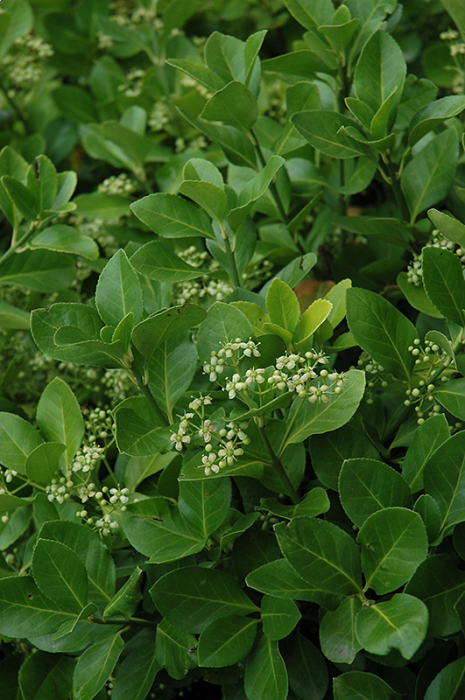
Manhattan

If you’re looking for a crapemyrtle that actually thrives in our New England climate—no coddling required—then LAGERSTROEMIA ‘Manhattan’ is about to become your new favorite. This is the plant that proves you don’t need to live down South to enjoy the romance and drama of crapemyrtle blooms. I absolutely adore this variety for Connecticut gardens, and I think once you see it in action, you will too.

What it looks like

LAGERSTROEMIA ‘Manhattan’ is a real showstopper, even when it’s not flowering. The plant typically grows into a multi-stemmed small tree or large shrub with an upright, vase-like form that feels both elegant and architectural. What really sets this cultivar apart is its exfoliating bark—those cinnamon and gray mottled trunks are honestly gorgeous in winter, adding serious four-season interest to your garden. Come summer, you’ll be rewarded with clusters of crinkled, hot pink flowers that seem to glow in the late afternoon sun. The foliage is narrow and somewhat lance-like, with a lovely fine texture that creates this beautiful filtered dappled shade effect. As fall arrives, the leaves transform into stunning shades of orange and red before dropping, and that sculptural branching structure becomes even more evident. It’s truly a plant that earns its garden space in every season.

Growing it in your garden

‘Manhattan’ is one of the hardier crapemyrtle selections available, and that’s music to our Connecticut ears. While these plants do prefer hot summers to really reach peak performance, this cultivar has proven itself reliably hardy through our New England winters—we’re talking about survivability in Zone 6, which covers most of Connecticut with some margin for those brutal years. The key to success is choosing your location thoughtfully. This plant absolutely demands full sun—I mean at least six to eight hours of direct sunlight daily—and it really doesn’t like wet feet. Plant it in well-draining soil, ideally something on the sandy or loamy side. If you have heavy clay soil like so many of us do here in Connecticut, don’t despair; just amend the planting hole generously with compost and sand before planting, and consider creating a slight mound to ensure water drains away from the crown. LAGERSTROEMIA ‘Manhattan’ appreciates a bit of summer heat and won’t perform its best in shady locations or consistently wet conditions.

Through the seasons

Spring arrives, and after our long New England winter, ‘Manhattan’ is relatively late to leaf out—which can give you a heart attack if you’re new to the plant, but this is totally normal. Don’t assume it’s dead! Once it decides to wake up in mid-to-late May, it puts on fresh growth pretty quickly. Summer is when this plant truly shines, with flowers typically appearing in June or July and often reblooming through September if you deadhead spent flower clusters—though I’ll be honest, the flowers are so lovely that most gardeners don’t bother removing them; the seed heads are pretty too. Fall brings those gorgeous foliage colors, and winter reveals the structural beauty of those mottled trunks and branches, especially nice against a fresh blanket of snow. It’s a plant that gives you something beautiful to look at no matter what the calendar says.

Where it shines

This is perfect for Connecticut gardeners who want that Southern charm without leaving home. Use ‘Manhattan’ as a focal point specimen in a mixed border, especially where you want year-round interest and don’t have space for a full-size tree. It’s wonderful near a patio or seating area where you can enjoy those flowers up close and appreciate the peeling bark in winter. I also love using it in contemporary garden designs where its upright form and architectural qualities really complement clean lines and modern landscaping. If you’re creating a four-season garden and want something with serious visual impact, this is absolutely worth including. It works beautifully in container plantings too, though remember that container plants will need winter protection in our climate.

Perfect companions

Plant LAGERSTROEMIA ‘Manhattan’ with other sun-loving, drought-tolerant companions once established. Ornamental grasses like PANICUM or MISCANTHUS varieties create a wonderful textural contrast and appreciate the same sunny, well-draining conditions. Sedums and other succulents work beautifully around the base, as do Russian sage, catmint, and butterfly bush if you want to echo the pink tones. Silver-foliaged plants like ARTEMISIA or dusty miller look stunning against those hot pink blooms. For a more traditional cottage garden feel, pair it with roses, black-eyed Susans, and coreopsis—all sun-worshippers that will thrive in the same microclimate.

Care tips

Once established, ‘Manhattan’ is remarkably low-maintenance. Water regularly during the first season to help the plant develop a strong root system, then it’s quite drought-tolerant. During our Connecticut summers, a deep watering every week or two during dry spells is usually sufficient. Pruning is mostly optional—these plants naturally develop that lovely vase shape. If you want to encourage bushier growth or remove dead wood, prune in early spring before growth begins. Some gardeners do a hard pruning, but honestly, I prefer letting them develop their natural architectural form. Avoid over-fertilizing; these plants prefer leaner conditions and will bloom more prolifically without excessive nitrogen. If you do feed, use something balanced or slightly phosphorus-heavy to promote flowers over foliage.

Quick facts

  • Hardiness Zone: 6-9 (reliably hardy throughout Connecticut)
  • Mature Height & Spread: 15-20 feet tall and 10-15 feet wide
  • Bloom Season: June through September
  • Light Requirements: Full sun (6-8+ hours daily)
  • Water Needs: Low to moderate; drought-tolerant once established
  • Available at: Both our retail and wholesale locations.

Manhattan

Category:

A spreading semi-evergreen shrub with dark green glossy foliage.

Zoning: 7
Mature Height and Spread: 8’ & 8’

Description

Manhattan

If you’re looking for a crapemyrtle that actually thrives in our New England climate—no coddling required—then LAGERSTROEMIA ‘Manhattan’ is about to become your new favorite. This is the plant that proves you don’t need to live down South to enjoy the romance and drama of crapemyrtle blooms. I absolutely adore this variety for Connecticut gardens, and I think once you see it in action, you will too.

What it looks like

LAGERSTROEMIA ‘Manhattan’ is a real showstopper, even when it’s not flowering. The plant typically grows into a multi-stemmed small tree or large shrub with an upright, vase-like form that feels both elegant and architectural. What really sets this cultivar apart is its exfoliating bark—those cinnamon and gray mottled trunks are honestly gorgeous in winter, adding serious four-season interest to your garden. Come summer, you’ll be rewarded with clusters of crinkled, hot pink flowers that seem to glow in the late afternoon sun. The foliage is narrow and somewhat lance-like, with a lovely fine texture that creates this beautiful filtered dappled shade effect. As fall arrives, the leaves transform into stunning shades of orange and red before dropping, and that sculptural branching structure becomes even more evident. It’s truly a plant that earns its garden space in every season.

Growing it in your garden

‘Manhattan’ is one of the hardier crapemyrtle selections available, and that’s music to our Connecticut ears. While these plants do prefer hot summers to really reach peak performance, this cultivar has proven itself reliably hardy through our New England winters—we’re talking about survivability in Zone 6, which covers most of Connecticut with some margin for those brutal years. The key to success is choosing your location thoughtfully. This plant absolutely demands full sun—I mean at least six to eight hours of direct sunlight daily—and it really doesn’t like wet feet. Plant it in well-draining soil, ideally something on the sandy or loamy side. If you have heavy clay soil like so many of us do here in Connecticut, don’t despair; just amend the planting hole generously with compost and sand before planting, and consider creating a slight mound to ensure water drains away from the crown. LAGERSTROEMIA ‘Manhattan’ appreciates a bit of summer heat and won’t perform its best in shady locations or consistently wet conditions.

Through the seasons

Spring arrives, and after our long New England winter, ‘Manhattan’ is relatively late to leaf out—which can give you a heart attack if you’re new to the plant, but this is totally normal. Don’t assume it’s dead! Once it decides to wake up in mid-to-late May, it puts on fresh growth pretty quickly. Summer is when this plant truly shines, with flowers typically appearing in June or July and often reblooming through September if you deadhead spent flower clusters—though I’ll be honest, the flowers are so lovely that most gardeners don’t bother removing them; the seed heads are pretty too. Fall brings those gorgeous foliage colors, and winter reveals the structural beauty of those mottled trunks and branches, especially nice against a fresh blanket of snow. It’s a plant that gives you something beautiful to look at no matter what the calendar says.

Where it shines

This is perfect for Connecticut gardeners who want that Southern charm without leaving home. Use ‘Manhattan’ as a focal point specimen in a mixed border, especially where you want year-round interest and don’t have space for a full-size tree. It’s wonderful near a patio or seating area where you can enjoy those flowers up close and appreciate the peeling bark in winter. I also love using it in contemporary garden designs where its upright form and architectural qualities really complement clean lines and modern landscaping. If you’re creating a four-season garden and want something with serious visual impact, this is absolutely worth including. It works beautifully in container plantings too, though remember that container plants will need winter protection in our climate.

Perfect companions

Plant LAGERSTROEMIA ‘Manhattan’ with other sun-loving, drought-tolerant companions once established. Ornamental grasses like PANICUM or MISCANTHUS varieties create a wonderful textural contrast and appreciate the same sunny, well-draining conditions. Sedums and other succulents work beautifully around the base, as do Russian sage, catmint, and butterfly bush if you want to echo the pink tones. Silver-foliaged plants like ARTEMISIA or dusty miller look stunning against those hot pink blooms. For a more traditional cottage garden feel, pair it with roses, black-eyed Susans, and coreopsis—all sun-worshippers that will thrive in the same microclimate.

Care tips

Once established, ‘Manhattan’ is remarkably low-maintenance. Water regularly during the first season to help the plant develop a strong root system, then it’s quite drought-tolerant. During our Connecticut summers, a deep watering every week or two during dry spells is usually sufficient. Pruning is mostly optional—these plants naturally develop that lovely vase shape. If you want to encourage bushier growth or remove dead wood, prune in early spring before growth begins. Some gardeners do a hard pruning, but honestly, I prefer letting them develop their natural architectural form. Avoid over-fertilizing; these plants prefer leaner conditions and will bloom more prolifically without excessive nitrogen. If you do feed, use something balanced or slightly phosphorus-heavy to promote flowers over foliage.

Quick facts

  • Hardiness Zone: 6-9 (reliably hardy throughout Connecticut)
  • Mature Height & Spread: 15-20 feet tall and 10-15 feet wide
  • Bloom Season: June through September
  • Light Requirements: Full sun (6-8+ hours daily)
  • Water Needs: Low to moderate; drought-tolerant once established
  • Available at: Both our retail and wholesale locations.