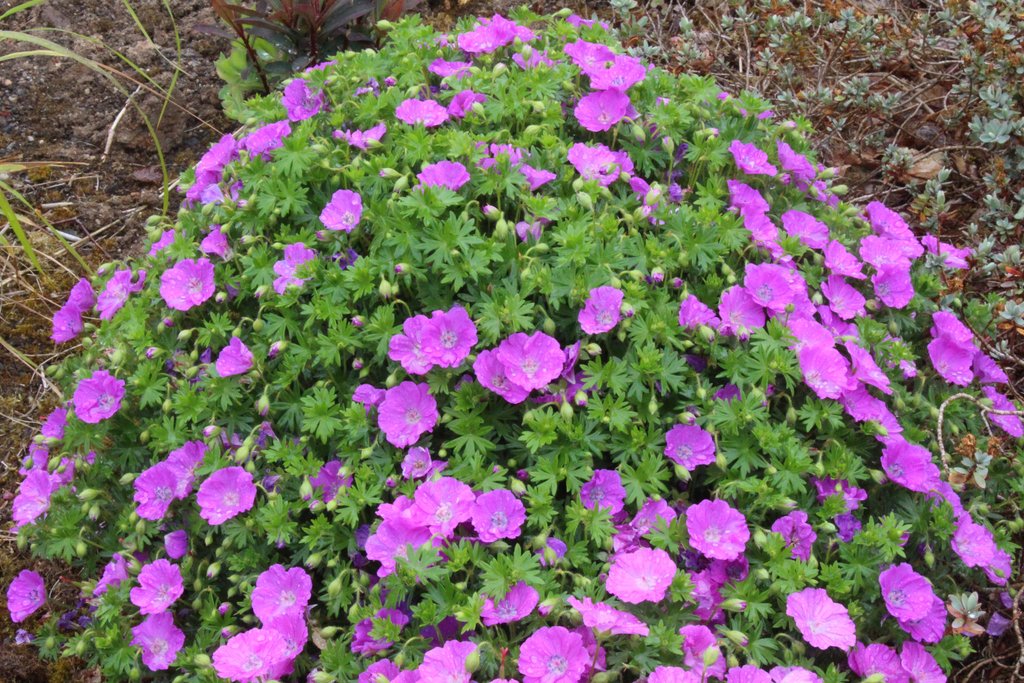
Max Frei

MAX FREI ASTILBE (ASTILBE × ARENDSII ‘MAX FREI’)

If you’ve been searching for something that handles wet soil, deep shade, and Connecticut winters without complaint, meet your new garden hero. MAX FREI ASTILBE is the shade plant that doesn’t just survive—it thrives, puts on a show, and asks for almost nothing in return. This is the kind of plant that makes gardeners actually excited about shady corners and boggy spots where nothing else seems to want to grow.

What it looks like

MAX FREI is an astilbe that grows into a tidy, upright mound of ferny foliage that’s as beautiful before the flowers arrive as it is during bloom time. The finely textured, deeply divided leaves emerge in bronze-tinged green, creating an airy, almost cloud-like presence in the garden even when the plant isn’t flowering. Once summer rolls around, tall, feathery plumes rise above the foliage in a rich crimson-red color that seems to glow in shaded settings. The flower spikes are dense and impressive—not delicate whispers, but bold statements that stand at attention throughout the bloom period. Everything about MAX FREI feels architectural and intentional, like it was designed to bring structure and elegance to spaces that usually feel neglected.

Growing it in your garden

This is where MAX FREI really earns its reputation. Unlike some astilbes that get fussy about soil conditions, MAX FREI is genuinely unfussy while still performing beautifully. It wants consistent moisture—which means it’s perfect for those boggy low spots in your Connecticut garden that stay damp year-round. But here’s the thing: it’s not just a wet-soil plant. It handles regular garden soil beautifully too, as long as you don’t let it dry out completely during hot spells. The key is working in plenty of organic matter at planting time, which improves water retention in sandy soils and drainage in heavy clay. Even in our challenging Connecticut conditions, MAX FREI settles in quickly and establishes itself without drama. Plant it in spring or fall, give it consistent water through its first season, and you’ll have a plant that’s essentially carefree for decades.

Through the seasons

Spring brings that bronze-tinged foliage emergence that signals warmer days are here. By early to mid-summer, the dramatic red flower spikes steal the show, and they hold their color beautifully for six to eight weeks—far longer than many astilbes. Even as the flowers age, they don’t turn into an eyesore; instead, they fade to a warm russet tone that some gardeners find equally attractive. In autumn, the foliage takes on golden tones before dying back for winter. Cut back the dried foliage in late fall or early spring—you can do this any time after the first hard frost. The plant emerges reliably every spring, unfazed by our sometimes-harsh Connecticut winters.

Where it shines

MAX FREI is your solution for shade gardens, period. Plant it under deciduous trees, along the north side of buildings, or in those wooded areas where most plants look apologetic. It’s equally stunning along stream banks and in rain gardens where it naturally settles into moist conditions. The height and color make it excellent for the middle or back of shade borders, and the ferny foliage provides wonderful contrast to plants with bolder, broader leaves. Because it’s so reliable in wet conditions, it’s become a favorite for Connecticut gardeners dealing with spring runoff and areas with poor drainage. Use it in groupings of three or five for maximum impact—the repeated red spikes create a rhythm that’s visually satisfying.

Perfect companions

MAX FREI loves shade-loving companions. Pair it with hostas for contrasting foliage texture, Japanese ferns for softness, and hellebores for early spring interest before the astilbe’s flowers arrive. Coral bells (HEUCHERA) provide color contrast in shade, while CAREX sedges echo the vertical movement of the astilbe spikes. Shade-blooming perennials like brunnera and ACTAEA (including baneberry) create a lush, layered effect. Even shade-tolerant shrubs like oakleaf hydrangea appreciate MAX FREI’s vertical accent nearby.

Care tips

Water deeply during your first season to establish a strong root system. Once established, MAX FREI is drought-tolerant than many astilbes, but it still performs best with consistent moisture. In particularly dry shade, supplemental watering during summer droughts keeps it looking full and vibrant. Apply a 2-inch layer of mulch each spring, which helps retain moisture and keeps soil cool. There’s no deadheading required—the flower spikes contribute winter interest. If you prefer a tidier appearance, you can remove them after they fade. Division isn’t necessary often, but if you want to rejuvenate an older clump or create more plants, divide in spring as new growth emerges.

Quick facts

  • Hardiness Zone: 3-8
  • Mature Height & Spread: 24-30 inches tall, 18-24 inches wide
  • Bloom Season: Early to mid-summer (approximately 6-8 weeks)
  • Light Requirements: Partial to full shade; tolerates dappled shade under trees
  • Water Needs: Prefers consistently moist soil; thrives in boggy conditions but tolerates regular garden soil
  • Available at: Both our retail and wholesale locations.

Max Frei

Easily grown in average, medium moisture, well-drained soil in full sun to part shade. Tolerates some drought, but produces most vigorous growth in moist, humusy soils with good drainage.

Description

Max Frei

MAX FREI ASTILBE (ASTILBE × ARENDSII ‘MAX FREI’)

If you’ve been searching for something that handles wet soil, deep shade, and Connecticut winters without complaint, meet your new garden hero. MAX FREI ASTILBE is the shade plant that doesn’t just survive—it thrives, puts on a show, and asks for almost nothing in return. This is the kind of plant that makes gardeners actually excited about shady corners and boggy spots where nothing else seems to want to grow.

What it looks like

MAX FREI is an astilbe that grows into a tidy, upright mound of ferny foliage that’s as beautiful before the flowers arrive as it is during bloom time. The finely textured, deeply divided leaves emerge in bronze-tinged green, creating an airy, almost cloud-like presence in the garden even when the plant isn’t flowering. Once summer rolls around, tall, feathery plumes rise above the foliage in a rich crimson-red color that seems to glow in shaded settings. The flower spikes are dense and impressive—not delicate whispers, but bold statements that stand at attention throughout the bloom period. Everything about MAX FREI feels architectural and intentional, like it was designed to bring structure and elegance to spaces that usually feel neglected.

Growing it in your garden

This is where MAX FREI really earns its reputation. Unlike some astilbes that get fussy about soil conditions, MAX FREI is genuinely unfussy while still performing beautifully. It wants consistent moisture—which means it’s perfect for those boggy low spots in your Connecticut garden that stay damp year-round. But here’s the thing: it’s not just a wet-soil plant. It handles regular garden soil beautifully too, as long as you don’t let it dry out completely during hot spells. The key is working in plenty of organic matter at planting time, which improves water retention in sandy soils and drainage in heavy clay. Even in our challenging Connecticut conditions, MAX FREI settles in quickly and establishes itself without drama. Plant it in spring or fall, give it consistent water through its first season, and you’ll have a plant that’s essentially carefree for decades.

Through the seasons

Spring brings that bronze-tinged foliage emergence that signals warmer days are here. By early to mid-summer, the dramatic red flower spikes steal the show, and they hold their color beautifully for six to eight weeks—far longer than many astilbes. Even as the flowers age, they don’t turn into an eyesore; instead, they fade to a warm russet tone that some gardeners find equally attractive. In autumn, the foliage takes on golden tones before dying back for winter. Cut back the dried foliage in late fall or early spring—you can do this any time after the first hard frost. The plant emerges reliably every spring, unfazed by our sometimes-harsh Connecticut winters.

Where it shines

MAX FREI is your solution for shade gardens, period. Plant it under deciduous trees, along the north side of buildings, or in those wooded areas where most plants look apologetic. It’s equally stunning along stream banks and in rain gardens where it naturally settles into moist conditions. The height and color make it excellent for the middle or back of shade borders, and the ferny foliage provides wonderful contrast to plants with bolder, broader leaves. Because it’s so reliable in wet conditions, it’s become a favorite for Connecticut gardeners dealing with spring runoff and areas with poor drainage. Use it in groupings of three or five for maximum impact—the repeated red spikes create a rhythm that’s visually satisfying.

Perfect companions

MAX FREI loves shade-loving companions. Pair it with hostas for contrasting foliage texture, Japanese ferns for softness, and hellebores for early spring interest before the astilbe’s flowers arrive. Coral bells (HEUCHERA) provide color contrast in shade, while CAREX sedges echo the vertical movement of the astilbe spikes. Shade-blooming perennials like brunnera and ACTAEA (including baneberry) create a lush, layered effect. Even shade-tolerant shrubs like oakleaf hydrangea appreciate MAX FREI’s vertical accent nearby.

Care tips

Water deeply during your first season to establish a strong root system. Once established, MAX FREI is drought-tolerant than many astilbes, but it still performs best with consistent moisture. In particularly dry shade, supplemental watering during summer droughts keeps it looking full and vibrant. Apply a 2-inch layer of mulch each spring, which helps retain moisture and keeps soil cool. There’s no deadheading required—the flower spikes contribute winter interest. If you prefer a tidier appearance, you can remove them after they fade. Division isn’t necessary often, but if you want to rejuvenate an older clump or create more plants, divide in spring as new growth emerges.

Quick facts

  • Hardiness Zone: 3-8
  • Mature Height & Spread: 24-30 inches tall, 18-24 inches wide
  • Bloom Season: Early to mid-summer (approximately 6-8 weeks)
  • Light Requirements: Partial to full shade; tolerates dappled shade under trees
  • Water Needs: Prefers consistently moist soil; thrives in boggy conditions but tolerates regular garden soil
  • Available at: Both our retail and wholesale locations.