RHODODENDRON MAXIMUM

If you’ve been searching for something that handles wet soil, deep shade, and Connecticut winters without complaint, while still delivering those show-stopping flowers everyone dreams about, American Rhododendron might just be your answer. This native evergreen shrub has been quietly thriving in the cooler, shadier corners of New England for centuries—and it’s about time gardeners gave it the attention it deserves. Unlike its fancier hybrid cousins, RHODODENDRON MAXIMUM is tough as nails, unfussy about your garden’s quirks, and genuinely beautiful in a way that feels honest rather than showy.

What it looks like

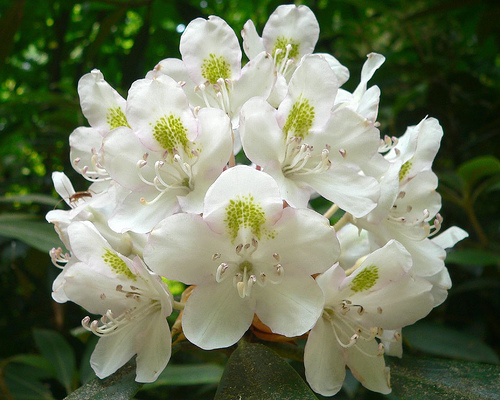
American Rhododendron is an architectural plant that earns its place in the landscape year-round. During the growing season, it’s clothed in thick, glossy, deep green leaves—some of the most attractive foliage you’ll find on any shrub. These leathery leaves have a real presence; they’re substantial and dignified, turning a beautiful muted bronze-purple in the coldest months, which gives your garden unexpected winter interest. Come late spring and early summer, the plant erupts into clusters of delicate pink or pale purple flowers that practically float above the foliage. The blooms aren’t overly showy or fragrant, but they have an understated elegance that feels particularly at home in a woodland setting.

Growing it in your garden

Here’s what makes RHODODENDRON MAXIMUM such a relief to work with: it actually prefers the conditions that challenge so many ornamental shrubs. It loves shade—deep shade, dappled shade, whatever your garden offers. It tolerates wet feet better than most rhododendrons, so if you have a spot where water lingers after rain, this plant won’t complain. And it’s genuinely cold-hardy throughout Connecticut and the rest of New England without any babying or winter protection. Plant it where you’d naturally expect to find it: at the edge of a wooded area, beneath tall trees, or in that shady corner where nothing else seems to thrive. The plant will settle in, establish itself, and quietly do its job for decades.

Through the seasons

Spring is when RHODODENDRON MAXIMUM steps into the spotlight. As the weather warms, flower buds that spent the winter tucked tight at branch tips begin to swell and unfurl, and suddenly your shade garden has color and life. The flowers are relatively short-lived—maybe two to three weeks of peak bloom—but they’re worth the wait. Summer finds the plant looking full and healthy, its leathery foliage providing a rich green backdrop for other plantings. Fall brings that subtle color shift as temperatures cool; the leaves deepen and take on warmer tones. Winter is perhaps most interesting: the evergreen foliage persists, sometimes developing those lovely bronze-tinged hues, and the plant maintains its structure and presence even when everything around it has gone dormant.

Where it shines

RHODODENDRON MAXIMUM is the perfect plant for a woodland garden or shade border. It’s ideal for naturalizing at the edges of properties where you’re transitioning from manicured garden to wild landscape. Use it as an evergreen screen in partially shaded spots, or plant it beneath deciduous trees where it’ll get dappled light in summer and more sun in winter. Because it tolerates wet conditions, it’s excellent for rain gardens or anywhere water collects seasonally. It’s also an honest choice for gardeners who want something beautiful without the fussiness—no complicated pruning, no special feeding schedules, no constant vigilance.

Perfect companions

Plant RHODODENDRON MAXIMUM with other shade-lovers that respect its woodland aesthetic. Pair it with native ferns like Christmas fern or ostrich fern, which will echo its love of moisture and dappled light. Add shade-tolerant perennials like hellebores, astilbes, or native woodland asters at its base. Other New England natives like mountain laurel and native azaleas make excellent companions. Consider planting it near hostas for textural contrast, or let shade-tolerant groundcovers like vinca or creeping phlox soften the space around its base.

Care tips

RHODODENDRON MAXIMUM is refreshingly low-maintenance. Water regularly during the first year while it’s establishing, but once settled, it needs little supplemental watering except during severe droughts. It doesn’t need fertilizing in average garden soil; in fact, overfertilizing can do more harm than good. Pruning is rarely necessary—the plant naturally develops a nice shape—but if you do need to remove branches, do it right after flowering. Mulch around the base with shredded bark to conserve moisture and keep roots cool, but keep mulch away from the stem itself.

Quick facts

  • Hardiness Zone: 4-8
  • Mature Height & Spread: 8-12 feet tall and wide (can eventually reach larger in ideal conditions)
  • Bloom Season: Late May to early July
  • Light Requirements: Partial to deep shade
  • Water Needs: Medium to high; tolerates wet soils
  • Available at: Both our retail and wholesale locations.

American Rhododrendron

Commonly called rosebay rhododendron, this is a large, upright, loose, multi-stemmed, late-blooming, evergreen shrub that is native to North America.

Pot Size (gallons), Height: 3-4’, 4-5’, 5-6’

Description

RHODODENDRON MAXIMUM

If you’ve been searching for something that handles wet soil, deep shade, and Connecticut winters without complaint, while still delivering those show-stopping flowers everyone dreams about, American Rhododendron might just be your answer. This native evergreen shrub has been quietly thriving in the cooler, shadier corners of New England for centuries—and it’s about time gardeners gave it the attention it deserves. Unlike its fancier hybrid cousins, RHODODENDRON MAXIMUM is tough as nails, unfussy about your garden’s quirks, and genuinely beautiful in a way that feels honest rather than showy.

What it looks like

American Rhododendron is an architectural plant that earns its place in the landscape year-round. During the growing season, it’s clothed in thick, glossy, deep green leaves—some of the most attractive foliage you’ll find on any shrub. These leathery leaves have a real presence; they’re substantial and dignified, turning a beautiful muted bronze-purple in the coldest months, which gives your garden unexpected winter interest. Come late spring and early summer, the plant erupts into clusters of delicate pink or pale purple flowers that practically float above the foliage. The blooms aren’t overly showy or fragrant, but they have an understated elegance that feels particularly at home in a woodland setting.

Growing it in your garden

Here’s what makes RHODODENDRON MAXIMUM such a relief to work with: it actually prefers the conditions that challenge so many ornamental shrubs. It loves shade—deep shade, dappled shade, whatever your garden offers. It tolerates wet feet better than most rhododendrons, so if you have a spot where water lingers after rain, this plant won’t complain. And it’s genuinely cold-hardy throughout Connecticut and the rest of New England without any babying or winter protection. Plant it where you’d naturally expect to find it: at the edge of a wooded area, beneath tall trees, or in that shady corner where nothing else seems to thrive. The plant will settle in, establish itself, and quietly do its job for decades.

Through the seasons

Spring is when RHODODENDRON MAXIMUM steps into the spotlight. As the weather warms, flower buds that spent the winter tucked tight at branch tips begin to swell and unfurl, and suddenly your shade garden has color and life. The flowers are relatively short-lived—maybe two to three weeks of peak bloom—but they’re worth the wait. Summer finds the plant looking full and healthy, its leathery foliage providing a rich green backdrop for other plantings. Fall brings that subtle color shift as temperatures cool; the leaves deepen and take on warmer tones. Winter is perhaps most interesting: the evergreen foliage persists, sometimes developing those lovely bronze-tinged hues, and the plant maintains its structure and presence even when everything around it has gone dormant.

Where it shines

RHODODENDRON MAXIMUM is the perfect plant for a woodland garden or shade border. It’s ideal for naturalizing at the edges of properties where you’re transitioning from manicured garden to wild landscape. Use it as an evergreen screen in partially shaded spots, or plant it beneath deciduous trees where it’ll get dappled light in summer and more sun in winter. Because it tolerates wet conditions, it’s excellent for rain gardens or anywhere water collects seasonally. It’s also an honest choice for gardeners who want something beautiful without the fussiness—no complicated pruning, no special feeding schedules, no constant vigilance.

Perfect companions

Plant RHODODENDRON MAXIMUM with other shade-lovers that respect its woodland aesthetic. Pair it with native ferns like Christmas fern or ostrich fern, which will echo its love of moisture and dappled light. Add shade-tolerant perennials like hellebores, astilbes, or native woodland asters at its base. Other New England natives like mountain laurel and native azaleas make excellent companions. Consider planting it near hostas for textural contrast, or let shade-tolerant groundcovers like vinca or creeping phlox soften the space around its base.

Care tips

RHODODENDRON MAXIMUM is refreshingly low-maintenance. Water regularly during the first year while it’s establishing, but once settled, it needs little supplemental watering except during severe droughts. It doesn’t need fertilizing in average garden soil; in fact, overfertilizing can do more harm than good. Pruning is rarely necessary—the plant naturally develops a nice shape—but if you do need to remove branches, do it right after flowering. Mulch around the base with shredded bark to conserve moisture and keep roots cool, but keep mulch away from the stem itself.

Quick facts

  • Hardiness Zone: 4-8
  • Mature Height & Spread: 8-12 feet tall and wide (can eventually reach larger in ideal conditions)
  • Bloom Season: Late May to early July
  • Light Requirements: Partial to deep shade
  • Water Needs: Medium to high; tolerates wet soils
  • Available at: Both our retail and wholesale locations.