
Description

RHODODENDRON ‘MINNETONKA’
If you’ve been searching for a rhododendron that actually thrives in New England without requiring a babysitter and a prayer, Minnetonka is about to become your new favorite plant. This hybrid powerhouse combines the hardiness you need with the showy blooms you want, and it does it all with remarkable toughness. Unlike some finicky rhododendron varieties that seem personally offended by our cold winters, Minnetonka laughs in the face of Connecticut frost and comes back stronger every spring.
What it looks like
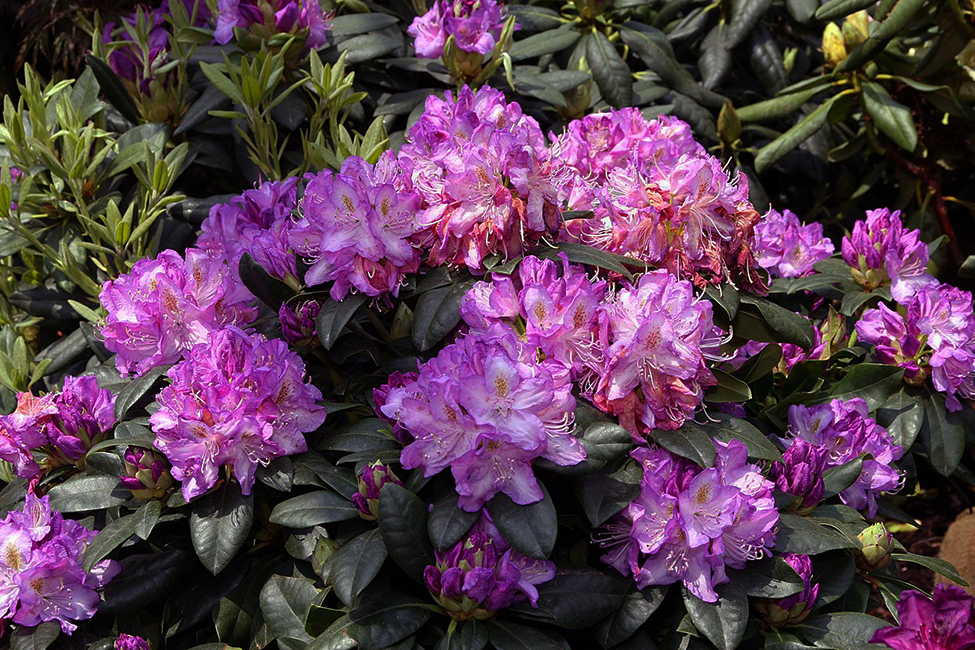
Minnetonka is an absolute showstopper when it blooms. Each late-spring flower cluster bursts with soft lavender-pink blooms that fade to nearly white at the edges—a delicate color combination that feels elegant without being fussy. The flowers are substantial and long-lasting, creating dense trusses that can cover the entire plant in bloom. Between flowering seasons, you get handsome, deep green foliage that stays attractive year-round. The plant naturally forms a full, rounded shape, so it never looks gangly or awkward the way some rhododendrons can.
Growing it in your garden
Minnetonka is specifically bred for the kind of growing conditions we actually have in Connecticut and throughout New England. That means it can handle our temperature swings, our humid summers, and our occasionally brutal winters. Plant it in a spot with morning sun and afternoon dappled shade—this is the sweet spot for rhododendrons. They prefer acidic soil with excellent drainage, so if your garden leans toward clay or neutral pH, you’ll want to amend with peat moss or sulfur before planting. The good news is that Minnetonka is more forgiving than many rhododendron hybrids if conditions aren’t absolutely perfect.
Through the seasons
Spring is when Minnetonka truly shines, with those gorgeous lavender-pink flower clusters appearing in late May through early June. The blooms persist for several weeks, giving you an extended show when the garden is still finding its footing. Summer brings lush, healthy green foliage that provides structure and texture even when nothing else is blooming. Fall and winter are where Minnetonka proves its worth—unlike deciduous plants that disappear entirely, this evergreen shrub maintains its handsome form and rich color throughout the cold months. In winter, the foliage can take on a slightly deeper tone, which some gardeners find even more attractive against the snow.
Where it shines
Minnetonka is perfect as a standalone specimen in a semi-shaded border, or massed in groups for more dramatic impact. It works beautifully along property lines or as a privacy screen, especially when planted in groups of three. Near an east-facing wall or beneath tall trees is ideal—these are the spots where afternoon sun is filtered and morning light can reach the plant without stressing it. In Connecticut gardens, this plant is also notably more resistant to rhododendron pest and disease problems than many varieties, which means you get all the beauty with fewer headaches.
Perfect companions
Minnetonka pairs beautifully with other shade-loving plants that share its preference for acidic soil. Consider pairing it with KALMIA (mountain laurel), which blooms just after the rhododendron finishes, extending your pink-and-white flower show. Hostas provide textural contrast at ground level, while native azaleas (also RHODODENDRON species) offer complementary color in deeper purples and reds. Hellebores bloom earlier in spring to bridge the gap before Minnetonka gets going, and shade-tolerant evergreens like ILEX or PRUNUS laurocerasus add backbone in the off-season.
Care tips
Water regularly during the first year to establish a strong root system, particularly important in our variable New England springs. After that, Minnetonka is quite drought-tolerant once established, though it appreciates consistent moisture during hot, dry spells. Mulch around the base with 2-3 inches of pine bark to maintain soil acidity and keep roots cool. Deadhead spent flowers promptly to encourage bushier growth and more flower buds next year. Pruning is rarely necessary—Minnetonka naturally forms an attractive shape—but you can lightly prune after flowering if you need to manage size or shape. There’s no need to fertilize if you’ve amended your soil properly at planting; rhododendrons prefer lean conditions over rich, heavily fertilized soil.
Quick facts
- Hardiness Zone: 4-8
- Mature Height & Spread: 5-6 feet tall and wide
- Bloom Season: Late May through early June
- Light Requirements: Morning sun with afternoon shade; dappled shade preferred
- Water Needs: Moderate; prefers consistent moisture but tolerates some drought when established
- Available at: Both our retail and wholesale locations.