

Description
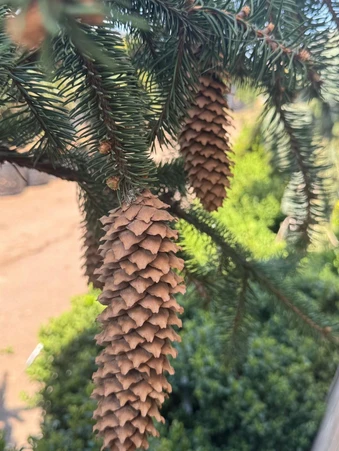
PICEA ABIES ‘PENDULA’
If you’ve ever wanted a living sculpture for your landscape—something that stops visitors mid-conversation with its dramatic, architectural presence—the Weeping Norway Spruce is your answer. This is not your typical evergreen. While most conifers stand at attention like soldiers, this one cascades, droops, and weeps with an almost theatrical elegance that transforms any garden into something truly unforgettable. In Connecticut’s sometimes-gray winters, when color is precious, this dark green sentinel becomes a focal point that justifies every bit of garden real estate you give it.
What it looks like
Picture an evergreen that seems to be reaching toward the ground rather than the sky. The Weeping Norway Spruce has long, pendulous branches that sweep downward in graceful strands, creating a weeping willow effect but in deep forest green. The foliage is dense and fine-textured, with needles that catch light beautifully, especially on winter days when evergreens truly earn their keep in the New England landscape. Growth patterns vary depending on how you stake and train it early on—some gardeners let it naturally cascade, while others encourage a central leader to create a tall, fountain-like silhouette. Either way, it’s a conversation starter.
Growing it in your garden
Weeping Norway Spruce is surprisingly adaptable once established, though it does appreciate full sun to perform its best. In Connecticut gardens, aim for at least six hours of direct sunlight daily to keep the form tight and the color rich. This variety prefers well-draining soil and actually handles the clay-heavy soils that many New England gardeners contend with better than you’d expect. While it’s not a “wet feet” plant, it’s tougher than you might think if you amend heavy soils and don’t leave it standing in puddles. The real key is patience during establishment—give it a full year to settle in, and you’ll have a low-maintenance architectural treasure for decades to come.
Through the seasons
Year-round, this is a plant that earns its space. Summer brings lush, verdant weeping branches that provide wonderful textural contrast in any garden bed. Come fall, while deciduous neighbors are putting on their final show, this evergreen remains steadfastly ornamental. Winter is when it truly shines—those graceful, drooping branches create dramatic patterns against snow and bare branches, and the deep green color glows against the New England winter landscape. Spring brings new growth at the branch tips, maintaining the plant’s vitality and fullness. There are no dormant, boring months here.
Where it shines
Weeping Norway Spruce is a specimen plant that deserves solo placement where it can be fully appreciated. Position it where you can see it from a window or from a frequently used pathway. It’s magnificent as a focal point in a mixed evergreen border, where its weeping form contrasts beautifully with upright junipers, columnar arborvitae, or spreading yews. It also works wonderfully in larger rock gardens, where its architectural form echoes the hardscape around it. If you have space for a shade structure or gazebo, train it to frame an entrance—the weeping branches create an almost enchanting effect. Some gardeners even use them as living screening for unsightly utility areas, with the added benefit of winter-long interest.
Perfect companions
Plant Weeping Norway Spruce with understory plants that won’t compete with its dramatic presence. Low-growing shade-tolerant perennials like hellebores, epimedium, or brunnera work beautifully at its feet. Hostas in various shades of green and blue create a calm foundation planting beneath the weeping branches. For year-round foliage interest, pair it with other conifers in contrasting forms—perhaps an upright Alberta Spruce or a spreading Emerald Green Arborvitae nearby. In terms of blooming companions, anything that flowers in spring before the tree leafs out fully will have its moment, and then the Weeping Norway Spruce takes over the show.
Care tips
Once established, this is a remarkably low-maintenance plant. Water regularly during the first growing season and during Connecticut’s dry spells. In winter, a bit of burlap protection can prevent heavy snow from splaying out the branches, especially helpful in our New England climate where we get wet, heavy snows. Pruning is minimal—remove any dead wood and trim any wayward branches that stick out awkwardly, but otherwise let the natural weeping form develop. There’s no need for fertilizing if you’ve amended the planting hole with good compost. Pests and diseases rarely bother established specimens, though spider mites can be an issue in hot, dry years, so ensure good air circulation and adequate moisture.
Quick facts
- Hardiness Zone: 3-8 (reliably hardy throughout Connecticut)
- Mature Height & Spread: 40-50 feet tall and 25-30 feet wide (depending on training; can be managed smaller with pruning)
- Bloom Season: Spring catkins (inconspicuous)
- Light Requirements: Full sun to part shade (6+ hours direct sun preferred)
- Water Needs: Moderate; prefers consistent moisture but well-draining soil
- Available at: Both our retail and wholesale locations