
Description

PICEA OMORIKA
The Serbian Spruce is one of those trees that makes you stop and stare. Its naturally narrow, almost columnar form is so elegantly tapered that it looks like it was sculpted by hand—a living exclamation point in the garden. Native to a tiny region in the Balkans, this spruce has somehow learned to thrive in New England conditions, bringing a touch of European sophistication to Connecticut landscapes. If you’ve ever wanted a conifer that doesn’t sprawl, doesn’t demand constant pruning, and actually gets more beautiful with age, this is it.
What it looks like
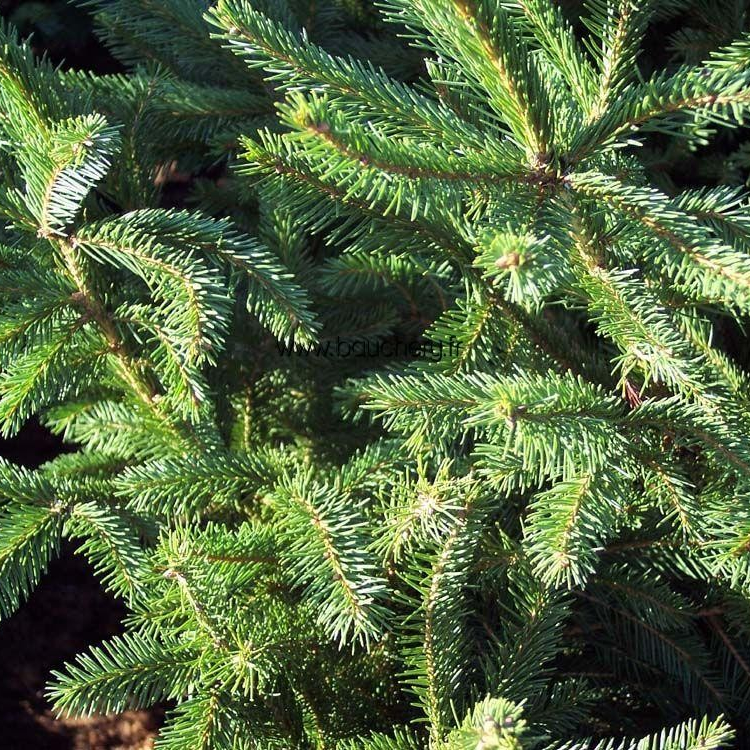
Picture a spruce that knows how to hold its shape. The Serbian Spruce grows tall and slender with graceful, slightly drooping branch tips that create a soft, feathery silhouette. The needles are dark green above with distinctive silvery-white undersides, so when the wind moves through the branches, the tree seems to shimmer. Mature trees develop rich cinnamon-brown bark that adds winter interest. This is not a squat, dense shrub—it’s an architectural statement, reaching toward the sky with architectural restraint and undeniable grace.
Growing it in your garden
Here’s what makes Serbian Spruce exceptional: it’s surprisingly adaptable to Connecticut conditions. Unlike some conifers that sulk in our humid summers, PICEA OMORIKA handles it with composure. It prefers full sun and well-draining soil, but once established, it’s remarkably resilient. The narrow form means you can tuck it into spaces where broader evergreens simply won’t fit—between a fence and foundation, as a focal point in a modest bed, or as a living privacy screen that doesn’t consume your entire property.
Plant it in a spot with good air circulation. In New England’s variable springs, this helps prevent fungal issues. Water regularly during the first two growing seasons, especially during dry spells. After that, this spruce is quite content with natural rainfall, making it one of the more low-maintenance conifers for our region.
Through the seasons
Spring brings fresh new growth in bright green, a lovely contrast against the darker mature foliage. By early summer, the tree settles into its deep forest-green identity. Fall and winter are where Serbian Spruce truly excels—when deciduous trees have dropped their leaves, this tree stands firm, its elegant form fully revealed. That silvery undersides of the needles catch low winter light beautifully. The cinnamon bark becomes increasingly prominent and textured as the tree ages, adding warmth to the winter garden.
Where it shines
Serbian Spruce is the perfect choice when you need vertical interest without bulk. Use it as a specimen planting where you want to draw the eye upward—at the corner of a house, the entrance to a property, or as a focal point in a contemporary garden design. It’s stunning against evergreen backdrops, where its narrow form contrasts beautifully with broader shapes. In smaller Connecticut yards where space is precious, this spruce earns its place, providing year-round structure without overwhelming the landscape.
Perfect companions
Pair Serbian Spruce with shade-tolerant underplantings like Hellebores, Carex, and hostas in deeper blues or silvers to echo that shimmering needle quality. Its upright form works beautifully beside broader, more rounded evergreens—a DWARF ALBERTA SPRUCE or EMERALD GREEN ARBORVITAE creates lovely contrast. In spring, surround the base with early bulbs like snowdrops and hellebores for cool-season interest. Deciduous shrubs like NINEBARK or WEIGELA nearby will make the spruce’s winter form even more prominent.
Care tips
Serbian Spruce requires minimal pruning—one of its greatest virtues. Let it grow naturally; it’ll maintain its elegant form without intervention. Water during establishment and during Connecticut’s occasional summer droughts. Mulch around the base to retain moisture and insulate roots, but keep mulch away from the trunk itself. In winter, if heavy snow clings to branches, gently brush it off to prevent damage. No fertilizer needed unless your soil is particularly poor, and even then, one light application in early spring is plenty.
Quick facts
- Hardiness Zone: 4-7 (thriving in Connecticut’s Zone 6b)
- Mature Height & Spread: 40-60 feet tall and 15-20 feet wide
- Bloom Season: Non-flowering; decorative cones in spring
- Light Requirements: Full sun (6+ hours daily)
- Water Needs: Moderate; prefers consistent moisture during establishment, then quite drought-tolerant
- Available at: Both our retail and wholesale locations