
Description
ILEX OPACA
If you’ve been searching for something that brings authentic seasonal magic to your Connecticut garden while actually thriving in New England conditions, American Holly is your answer. This native evergreen doesn’t just survive our winters—it celebrates them, standing sentinel through snow and ice with glossy, deep green foliage and those iconic bright red berries that practically glow against the winter landscape. It’s the plant that makes people stop and stare in December, the one that says “the holidays are here” without a single decoration.
What it looks like
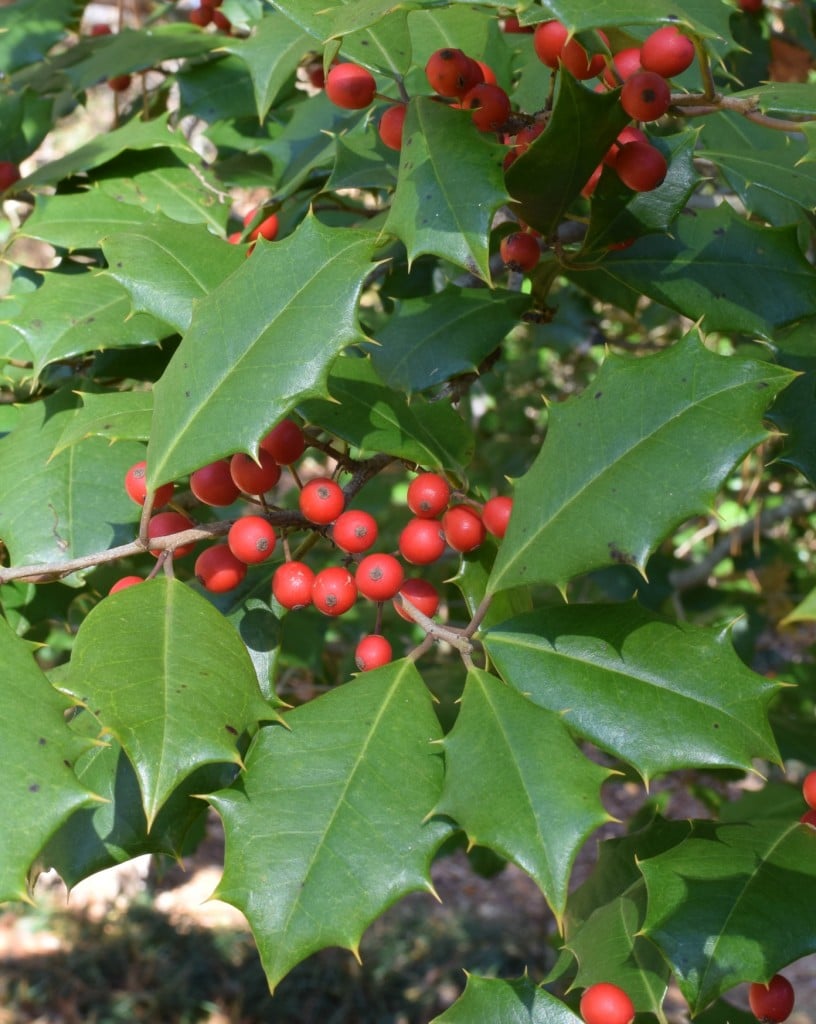
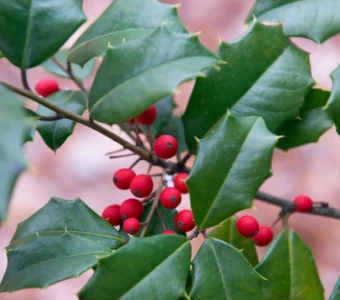
American Holly is a sophisticated beauty with a naturally pyramidal form that grows denser and more refined as it matures. The leaves are thick and leathery, a rich forest green that never loses its color through the harshest Connecticut winters. What really stops traffic, though, are the berries—brilliant red, about the size of small peas, clustered generously along the branches. The thorny leaf margins give it character and a slightly formal appearance, like nature’s way of saying “look but don’t touch.” It’s an evergreen that earns its place in the landscape year-round, but truly shines when everything else has gone dormant.
Growing it in your garden
Here’s what makes ILEX OPACA so rewarding to grow in Connecticut: it’s native to the eastern United States, which means it understands our climate in its bones. It prefers full sun to partial shade—at least four hours of direct sunlight daily will give you the most robust growth and berry production. The soil should be well-draining and slightly acidic, which aligns beautifully with what most of New England naturally offers. American Holly doesn’t like wet feet, so amend heavy clay soils with compost to improve drainage before planting.
One important note for berry production: most American Hollies are dioecious, meaning you’ll need both male and female plants for berries to develop. Plant one male pollinator for every three to five female plants. The bees handle the rest. If you only have space for one plant and want berries, look for self-fertile cultivars like ‘Jersey Knight’ and ‘Jersey Princess’—they’re specifically bred to produce fruit on their own.
Through the seasons
Spring brings delicate, creamy-white flowers that appear in clusters along the stems—they’re modest and easy to miss, but the bees love them. Through summer, the foliage grows fuller and more lustrous, and by fall, if you’ve got females and adequate pollination, those berries begin their transformation from green to brilliant scarlet. By November and December, American Holly is absolutely at its peak: deep evergreen foliage studded with cardinal-red berries, often still clinging to branches well into winter. The birds appreciate this generosity, though they usually leave some berries for you to enjoy.
Where it shines
American Holly is perfect as a specimen plant where you want year-round structure and winter interest. Use it as a living evergreen screen or privacy hedge, particularly in mixed borders where its formal silhouette complements other shrubs and perennials. It’s spectacular as a foundation planting near an entryway—imagine greeting guests during the holidays with cheerful red berries framing your door. It also works beautifully in woodland gardens, along property lines, or anywhere you want to create vertical interest without the maintenance demands of many other evergreens.
Perfect companions
Plant American Holly near other native Connecticut evergreens like Eastern Red Cedar (JUNIPERUS VIRGINIANA) or Canadian Hemlock for a layered, woodland aesthetic. Pair it with deciduous shrubs that pop in other seasons—Oakleaf Hydrangea for summer white flowers, or Winterberry Holly for additional berries in a warmer coral-red tone. Underplant with shade-tolerant perennials like Hellebores or autumn ferns to create contrast around its base. Evergreen shrubs with fine-textured foliage, like Boxwood, make excellent neighbors too.
Care tips
American Holly is remarkably low-maintenance once established. Water regularly during the first growing season to develop a strong root system, then only during droughts. Prune in late winter or early spring if needed to maintain shape—the more you prune, the denser it becomes. Avoid heavy pruning in fall, as you’ll remove developing berries. American Holly rarely suffers from serious pest or disease problems in Connecticut, though you might occasionally encounter spider mites in very dry conditions. A light mulch around the base helps retain moisture and moderate soil temperature, but keep it a few inches away from the trunk.
Quick facts
- Hardiness Zone: 5–9
- Mature Height & Spread: 15–30 feet tall, 10–20 feet wide (varies by cultivar)
- Bloom Season: Late spring (flowers); berries ripen by fall
- Light Requirements: Full sun to partial shade (4+ hours direct sun)
- Water Needs: Moderate; prefers well-drained soil, drought-tolerant once established
- Available at: Both our retail and wholesale locations