
Description

PACHYSANDRA TERMINALIS
If you’ve been searching for something that handles wet soil, deep shade, and Connecticut winters without complaint, while also looking elegant enough to anchor your entire garden design, Pachysandra is the answer you’ve been waiting for. This Japanese groundcover has earned its place in New England gardens for more than a century, and once you see what it can do, you’ll understand why. It’s the quiet achiever, the reliable friend, the plant that makes everything around it look intentionally designed.
What it looks like
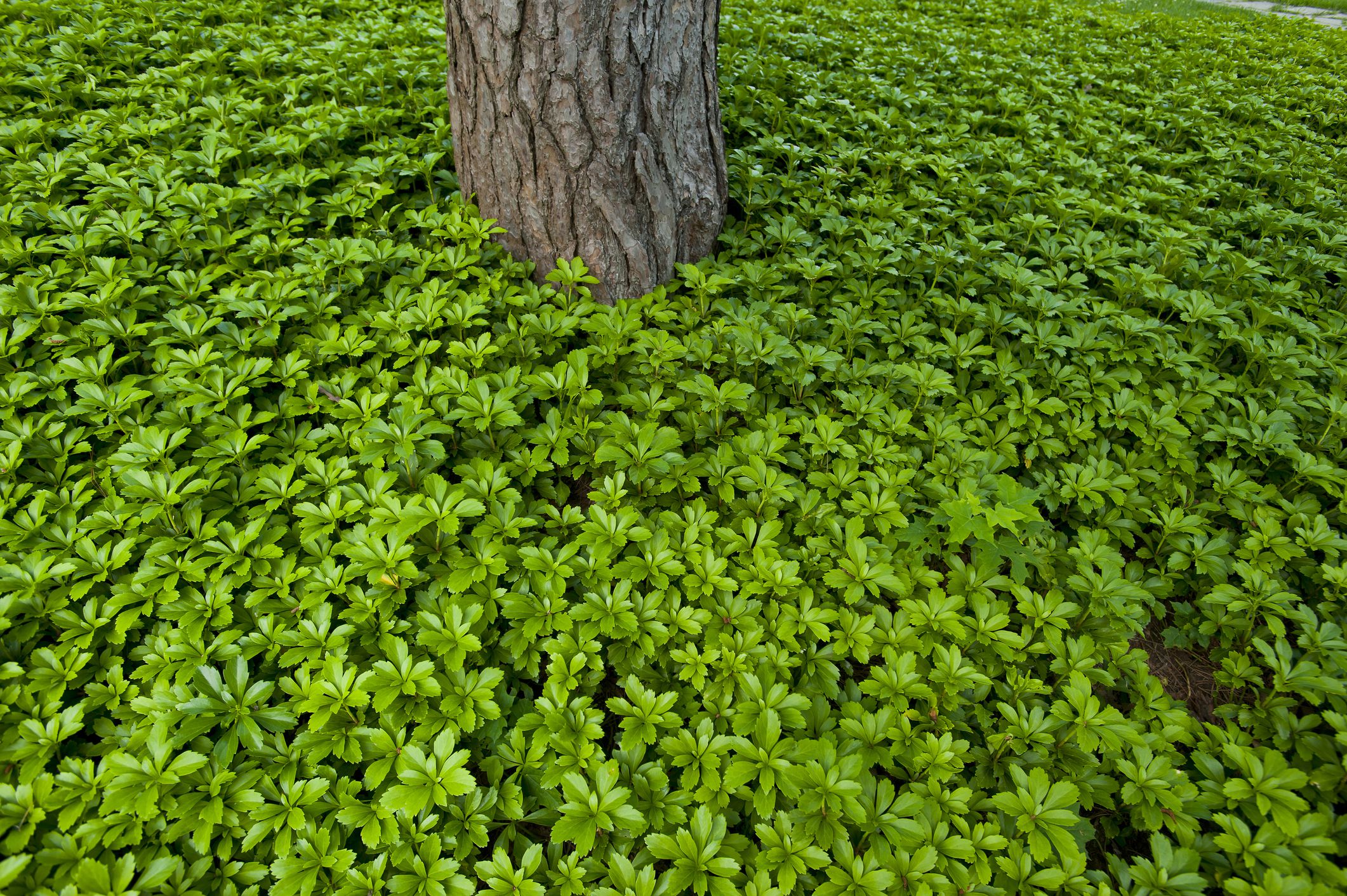
Pachysandra is a low, spreading groundcover that typically reaches just 6 to 12 inches tall, creating dense mats of glossy, deep green foliage year-round. The leaves are oval, arranged in whorls at the branch tips, giving the plant a neat, almost geometric appearance. In spring, it produces delicate white flowers tinged with pale pink—tiny but charming, appearing in upright spikes above the foliage. These blooms are sweetly fragrant and beloved by early-season pollinators, adding a subtle layer of interest to the shade garden just when you need it most. The overall effect is one of refined simplicity: clean lines, reliable presence, and the kind of understatement that sophisticated gardeners adore.
Growing it in your garden
Pachysandra thrives in the kinds of conditions that challenge many other plants. Deep shade? Perfect. The competition beneath mature oaks and maples? It laughs at that. Dry shade, wet shade, compacted soil—PACHYSANDRA TERMINALIS adapts to them all with impressive resilience. It’s one of the few groundcovers that actually prefers shade and will become leggy and sparse in full sun. In Connecticut gardens, this is a genuine blessing. So many of us have those difficult under-tree situations where nothing seems happy, and Pachysandra settles in like it was made for exactly that spot—because it was.
Plant it in drifts rather than scattered individually, and watch as it fills in with remarkable speed, creating a unified, peaceful visual effect. Space plants about 12 inches apart if you’re patient, or 8 inches apart if you’d like faster coverage. It’s a slow starter in its first season (patience required), but once established, it spreads steadily through rhizomatous growth, eventually forming the kind of lush carpet that makes your shade garden feel intentional rather than neglected.
Through the seasons
Spring brings those delicate white flower spikes that perfume the morning air and add unexpected refinement to the shade garden. Summer is when Pachysandra truly shines—while everything else is struggling in the heat and dry shade, this plant remains fresh, vibrant, and completely unbothered. Fall and winter reveal one of its greatest gifts: it stays green. Deep green, glossy, and completely ornamental. When deciduous trees drop their leaves, Pachysandra provides year-round structure and prevents that barren, abandoned look that winter shade gardens can develop. In Connecticut’s variable winter weather, it weathers freezing rain, heavy snow, and temperature swings without complaint or visible damage.
Where it shines
Pachysandra is the ultimate foundation plant for shade gardens. Plant it beneath mature trees, along north-facing walls, in the perpetual shadow of buildings, or anywhere else that tests your patience with its darkness. It’s equally beautiful edging pathways through shaded woodland areas, tucking around the base of shade-loving shrubs like Rhododendrons and Hydrangeas, or creating unified green carpets in formal garden spaces where its neat appearance reads as intentional design. Many Connecticut gardeners use it to solve the problem of exposed tree roots and compacted soil where tree skirts would otherwise look bare and uninviting.
Perfect companions
Pachysandra is the great democratic plant—it plays beautifully with virtually everything that shares its love of shade. Pair it with Hostas for textural contrast, with Bleeding Heart for delicate spring blooms, with Ferns for an air of woodland elegance. It works wonderfully beneath VIBURNUM, AZALEA, and ILEX, where its evergreen presence provides continuity between seasons. White-flowering shade plants like Astilbe or Liriope create stunning visual combinations against the deep green foliage. Consider combining it with variegated companions like HEUCHERA or CAREX to create layers of interest without requiring more sunlight.
Care tips
Pachysandra is genuinely low-maintenance. Water regularly during its first growing season to establish a deep root system, then it becomes remarkably independent. It tolerates Connecticut’s variable rainfall without supplemental watering in most years. Avoid heavy foot traffic in its first season while it’s establishing—after that, it’s tougher than you’d expect. No pruning necessary. No fertilizing required unless your soil is particularly poor. The main challenge is patience in year one and two; resist the urge to replant or overwork it. Let it do what it does best: quietly, steadily spread and improve your garden.
Quick facts
- Hardiness Zone: Zones 4–9
- Mature Height & Spread: 6–12 inches tall, spreads indefinitely
- Bloom Season: April–May
- Light Requirements: Shade to partial shade (full shade preferred)
- Water Needs: Moderate; tolerates both wet and dry shade once established
- Available at: Both our retail and wholesale locations