
Description

ACER GRISEUM
What if you could have a tree that steals the show in every season, even when it’s doing absolutely nothing? The Paperbark Maple is that rare find—a tree that gives you interest year-round, from its delicate summer leaves to its spectacular autumn display to that cinnamon-colored bark that makes winter genuinely exciting. In Connecticut gardens, where we spend half the year looking at bare branches, this is a gift.
What it looks like
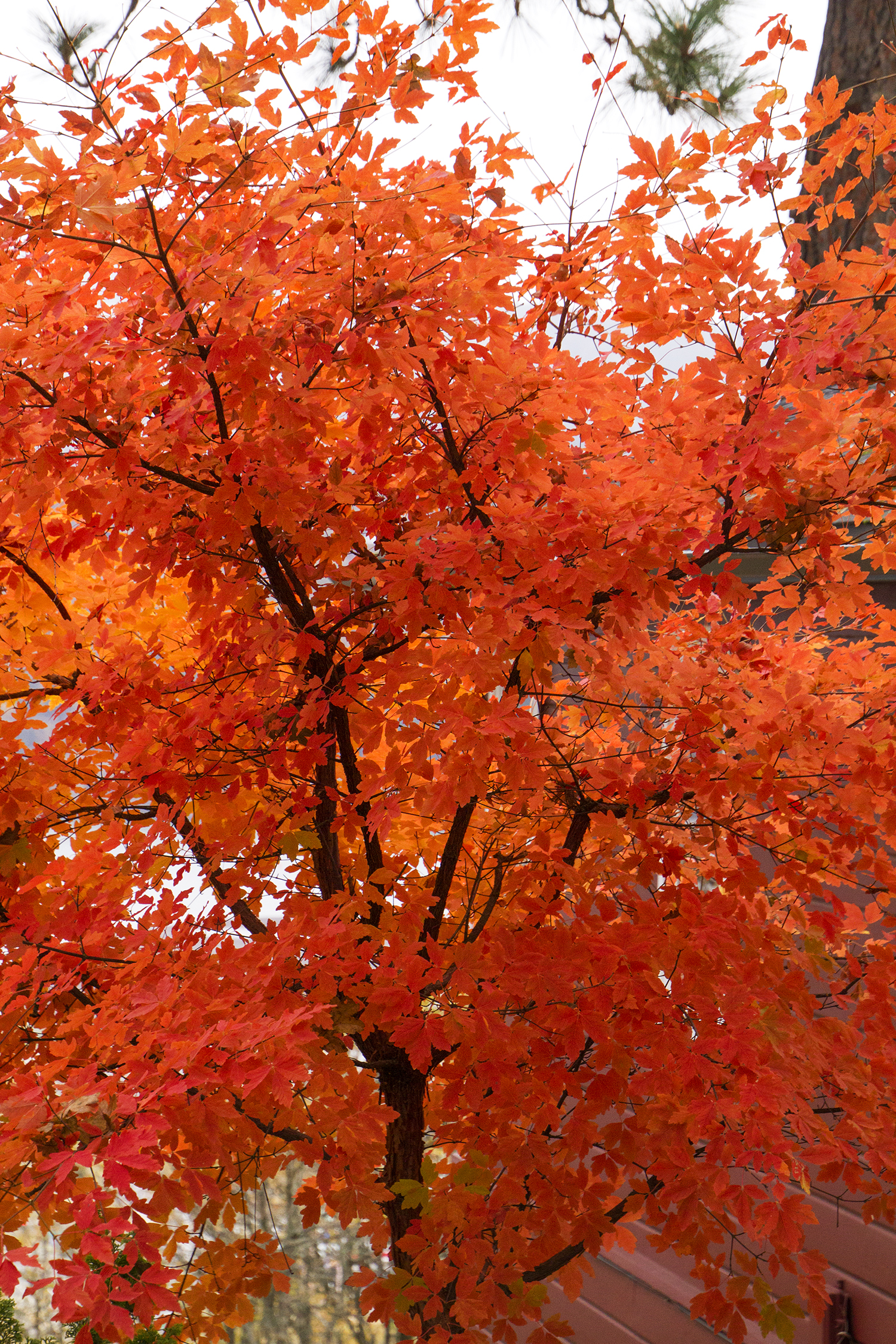
ACER GRISEUM is a small to medium deciduous tree with an elegant, upright habit and a naturally graceful form that rarely needs heavy pruning. The three-part leaflets have a finely textured appearance and turn brilliant scarlet and burgundy in autumn—the kind of fall color that makes you pause mid-errrand to admire it. But here’s the real star: the exfoliating bark. As the tree matures, the outer layers peel away in thin, papery strips to reveal warm cinnamon and rust-colored inner bark underneath. In winter sunlight, especially morning or late afternoon rays, this bark practically glows. It’s sculptural. It’s architectural. It’s what makes your winter garden worth looking at.
Growing it in your garden
Paperbark Maple is surprisingly adaptable to Connecticut’s conditions once established, though it does appreciate some thoughtfulness in placement. It performs best in a location with partial shade to full sun—afternoon shade is particularly helpful in our hot summers and protects the delicate foliage from sun scald stress. The tree wants well-draining soil and consistent moisture, especially during its first two to three years. Unlike some maples that tolerate wet feet, ACER GRISEUM prefers soil that’s moist but never waterlogged, so avoid low-lying areas where water pools after heavy rain. It’s hardy through Zone 5, which means most of Connecticut suits it just fine, though northern parts of the state do best with a protected location.
Through the seasons
Spring brings delicate, pale green leaves on a spreading canopy—fresh and airy without being showy. Summer is understated elegance: the fine-textured foliage creates dappled shade, and the tree becomes a backdrop to showier bloomers nearby. Autumn is when ACER GRISEUM steps into the spotlight. The leaf color builds gradually from yellow-green to orange, then deepens into that scarlet-burgundy that makes your heart skip. Leaves linger into late October or even early November in good years. Winter reveals the true gift: the exfoliating bark becomes the focal point of the garden. As the sun moves lower on the horizon, that cinnamon-colored bark becomes almost luminous against an evergreen backdrop or a gray Connecticut sky. It’s honestly breathtaking.
Where it shines
This is your tree for creating a focal point in a medium-sized garden or for positioning near a seating area where you’ll see it from your house in winter. Plant it where morning or afternoon sunlight can backlight the trunk—this makes the bark coloring absolutely spectacular. It works wonderfully as a specimen tree in a mixed border, as the understory beneath larger oaks, or in a location where you want year-round visual interest without maximum size. ACER GRISEUM is also excellent for smaller Connecticut properties where you need a tree with character that won’t overwhelm the space. Its mature size is manageable, and its branching structure is naturally elegant.
Perfect companions
Underplant ACER GRISEUM with shade-tolerant groundcovers like HELLEBORUS or EPIMEDIUM to add interest at ground level. The fine texture of paperbark maple pairs beautifully with bold-leaved plants—try HOSTA or FATSIA JAPONICA to the side where they get a bit more light. Nearby evergreens like ILEX or dwarf TAXUS create a sophisticated backdrop that highlights the winter bark color. In late season, the burgundy foliage looks stunning paired with ornamental grasses like PANICUM or MISCANTHUS that turn golden at the same time.
Care tips
Water consistently through the first growing season and during dry spells in subsequent years. Mulch around the base to keep roots cool and conserve moisture, but keep the mulch a few inches away from the trunk itself. Paperbark Maple rarely needs pruning beyond removing any crossing or dead branches—its natural form is part of its charm. Avoid heavy-handed pruning that disrupts the delicate branching structure. Fertilizer isn’t necessary if you’ve amended the soil at planting time; over-fertilizing can actually reduce autumn color intensity.
Quick facts
- Hardiness Zone: Zone 5 (hardy throughout Connecticut)
- Mature Height & Spread: 20–30 feet tall, 15–20 feet wide
- Bloom Season: Inconspicuous flowers in spring; spectacular foliage in autumn
- Light Requirements: Partial shade to full sun (afternoon shade recommended)
- Water Needs: Consistent moisture; prefers well-draining soil
- Available at: Both our retail and wholesale locations