Penny Mac Hydrangea

HYDRANGEA MACROPHYLLA ‘PENNY MAC’

If you’ve been searching for a hydrangea that actually flowers reliably in Connecticut without requiring complicated pruning schedules or constant fussing, Penny Mac might just be the answer you’ve been waiting for. This newer variety was specifically bred to handle our unpredictable springs and late frosts—the kind of years when other hydrangeas get their flower buds decimated by a May freeze. But Penny Mac? She keeps blooming regardless, which is exactly what a New England gardener needs.

What it looks like

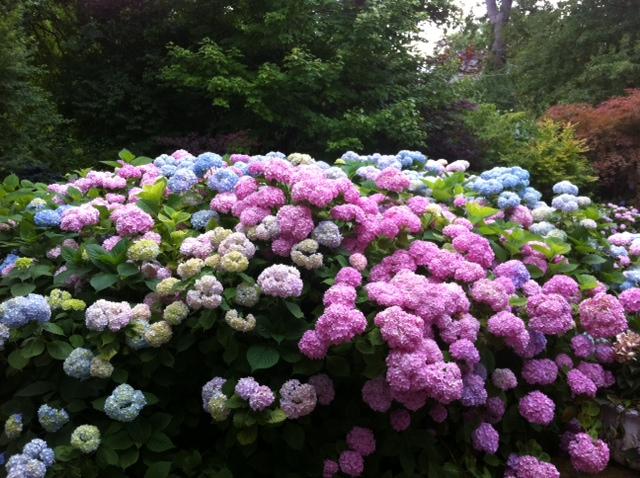
Penny Mac is a bigleaf hydrangea (HYDRANGEA MACROPHYLLA) with a compact, tidy habit that grows into a well-proportioned shrub without getting leggy or awkward. The foliage is a healthy, glossy dark green that stays attractive all season long. The flowers are the real showstopper—large, lacey mophead blooms that start out pink or blue (depending on your soil pH) and deepen beautifully as summer progresses. In acidic Connecticut soil, you’ll typically see stunning shades of blue; in more neutral conditions, expect rosy pinks. The blooms have an open, airy structure that’s more delicate-looking than some of the heavier hydrangea varieties, with a romantic garden feel.

Growing it in your garden

This is where Penny Mac earns her reputation. Unlike many hydrangeas that require you to remember which buds to prune and which to leave, Penny Mac flowers on both old and new wood. Translation: she’ll bloom even if you miss a pruning window, even if winter damage removes some canes, even if you give her a more aggressive cutback than intended. That said, she still benefits from thoughtful pruning in early spring—just remove any dead wood and shape her as needed. She’s not fussy about it.

Plant her in a location with morning sun and afternoon shade, especially in Connecticut’s hot summers. A spot that gets four to six hours of sunlight works beautifully. She appreciates soil that drains well but retains some moisture; amend heavy clay with compost before planting. If you want to influence bloom color, remember that acidic soil (pH below 6.0) produces blues, while alkaline soil produces pinks. Many Connecticut soils lean naturally acidic, so blues often appear without extra effort.

Through the seasons

Spring arrives with fresh new growth unfurling in soft green. By early summer, flower buds begin forming, and by mid-June you’ll see the first blooms opening. Unlike some hydrangeas that stop flowering by August, Penny Mac continues producing new flower heads throughout summer and into early fall, giving you months of continuous color. The blooms gradually shift and deepen as the season progresses, offering a subtle color evolution that keeps the plant interesting. Come autumn, the foliage takes on warm bronze and burgundy tones before dropping for winter. The dried flower heads remain attractive on the bare stems through early winter, adding structure to the dormant garden.

Where it shines

Penny Mac is perfect for mixed borders where her compact size won’t overwhelm smaller companions. Use her as an anchor plant in a shade garden, or mass three or five together for a dramatic display along a fence or property line. She’s excellent near a patio or seating area where you can enjoy the blooms up close. Because she’s reliable and relatively low-maintenance, she’s ideal for gardens where you want impact without constant intervention. She also performs beautifully in containers, as long as you keep the soil consistently moist during the growing season.

Perfect companions

Plant Penny Mac alongside shade-tolerant hostas, ferns, and astilbes for a lush woodland garden feel. Pair her with native Connecticut shrubs like ILEX VERTICILLATA (winterberry) for winter interest when the hydrangea is dormant. Underplant with shade-loving perennials such as hellebores, heuchera, or coral bells to add texture and extend the season of interest. Ornamental grasses work beautifully too—try pairing her with sedges or hakone grass for a softer, more naturalistic look.

Care tips

Water regularly during the first season to establish a strong root system, then water deeply during dry spells. A three-inch layer of mulch keeps roots cool and moist without promoting fungal issues. In early spring, remove any dead or damaged canes, then shape as needed. Fertilize once in spring with a balanced fertilizer; hydrangea-specific formulas are nice but not necessary. Watch for mildew in humid summers by ensuring good air circulation. Penny Mac is tougher than many hydrangeas when it comes to pests and diseases—she’s remarkably trouble-free if given proper conditions.

Quick facts

  • Hardiness Zone: 5-9
  • Mature Height & Spread: 3-4 feet tall and wide
  • Bloom Season: June through September
  • Light Requirements: Morning sun, afternoon shade (4-6 hours sun daily)
  • Water Needs: Regular moisture; water deeply during dry spells
  • Available at: Both our retail and wholesale locations
Penny Mac Hydrangea

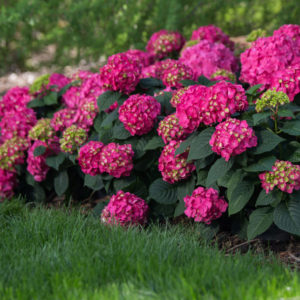
This wildly popular selection provides a prolific display of fantastic mophead flowers repeatedly throughout summer – with minimal care. Blooms tend to be blue in acid soils and pink in more alkaline soils.

Pot Size (gallons), Height: #2

Description

Penny Mac Hydrangea

HYDRANGEA MACROPHYLLA ‘PENNY MAC’

If you’ve been searching for a hydrangea that actually flowers reliably in Connecticut without requiring complicated pruning schedules or constant fussing, Penny Mac might just be the answer you’ve been waiting for. This newer variety was specifically bred to handle our unpredictable springs and late frosts—the kind of years when other hydrangeas get their flower buds decimated by a May freeze. But Penny Mac? She keeps blooming regardless, which is exactly what a New England gardener needs.

What it looks like

Penny Mac is a bigleaf hydrangea (HYDRANGEA MACROPHYLLA) with a compact, tidy habit that grows into a well-proportioned shrub without getting leggy or awkward. The foliage is a healthy, glossy dark green that stays attractive all season long. The flowers are the real showstopper—large, lacey mophead blooms that start out pink or blue (depending on your soil pH) and deepen beautifully as summer progresses. In acidic Connecticut soil, you’ll typically see stunning shades of blue; in more neutral conditions, expect rosy pinks. The blooms have an open, airy structure that’s more delicate-looking than some of the heavier hydrangea varieties, with a romantic garden feel.

Growing it in your garden

This is where Penny Mac earns her reputation. Unlike many hydrangeas that require you to remember which buds to prune and which to leave, Penny Mac flowers on both old and new wood. Translation: she’ll bloom even if you miss a pruning window, even if winter damage removes some canes, even if you give her a more aggressive cutback than intended. That said, she still benefits from thoughtful pruning in early spring—just remove any dead wood and shape her as needed. She’s not fussy about it.

Plant her in a location with morning sun and afternoon shade, especially in Connecticut’s hot summers. A spot that gets four to six hours of sunlight works beautifully. She appreciates soil that drains well but retains some moisture; amend heavy clay with compost before planting. If you want to influence bloom color, remember that acidic soil (pH below 6.0) produces blues, while alkaline soil produces pinks. Many Connecticut soils lean naturally acidic, so blues often appear without extra effort.

Through the seasons

Spring arrives with fresh new growth unfurling in soft green. By early summer, flower buds begin forming, and by mid-June you’ll see the first blooms opening. Unlike some hydrangeas that stop flowering by August, Penny Mac continues producing new flower heads throughout summer and into early fall, giving you months of continuous color. The blooms gradually shift and deepen as the season progresses, offering a subtle color evolution that keeps the plant interesting. Come autumn, the foliage takes on warm bronze and burgundy tones before dropping for winter. The dried flower heads remain attractive on the bare stems through early winter, adding structure to the dormant garden.

Where it shines

Penny Mac is perfect for mixed borders where her compact size won’t overwhelm smaller companions. Use her as an anchor plant in a shade garden, or mass three or five together for a dramatic display along a fence or property line. She’s excellent near a patio or seating area where you can enjoy the blooms up close. Because she’s reliable and relatively low-maintenance, she’s ideal for gardens where you want impact without constant intervention. She also performs beautifully in containers, as long as you keep the soil consistently moist during the growing season.

Perfect companions

Plant Penny Mac alongside shade-tolerant hostas, ferns, and astilbes for a lush woodland garden feel. Pair her with native Connecticut shrubs like ILEX VERTICILLATA (winterberry) for winter interest when the hydrangea is dormant. Underplant with shade-loving perennials such as hellebores, heuchera, or coral bells to add texture and extend the season of interest. Ornamental grasses work beautifully too—try pairing her with sedges or hakone grass for a softer, more naturalistic look.

Care tips

Water regularly during the first season to establish a strong root system, then water deeply during dry spells. A three-inch layer of mulch keeps roots cool and moist without promoting fungal issues. In early spring, remove any dead or damaged canes, then shape as needed. Fertilize once in spring with a balanced fertilizer; hydrangea-specific formulas are nice but not necessary. Watch for mildew in humid summers by ensuring good air circulation. Penny Mac is tougher than many hydrangeas when it comes to pests and diseases—she’s remarkably trouble-free if given proper conditions.

Quick facts

  • Hardiness Zone: 5-9
  • Mature Height & Spread: 3-4 feet tall and wide
  • Bloom Season: June through September
  • Light Requirements: Morning sun, afternoon shade (4-6 hours sun daily)
  • Water Needs: Regular moisture; water deeply during dry spells
  • Available at: Both our retail and wholesale locations