PENTA ‘RED’ (PENTAS LANCEOLATA)

If you’ve been searching for a plant that brings genuine excitement to your Connecticut garden from July straight through the first frost, stop looking. Penta ‘Red’ is that plant. This stunner arrives at your garden already brimming with energy—brilliant scarlet-red flowers that seem to glow in the afternoon sun, attracting butterflies, hummingbirds, and admiring glances from everyone who walks by. Unlike some garden showoffs that demand constant attention, Penta ‘Red’ is refreshingly low-maintenance, heat-loving, and utterly reliable through the unpredictable New England summer.

What it looks like

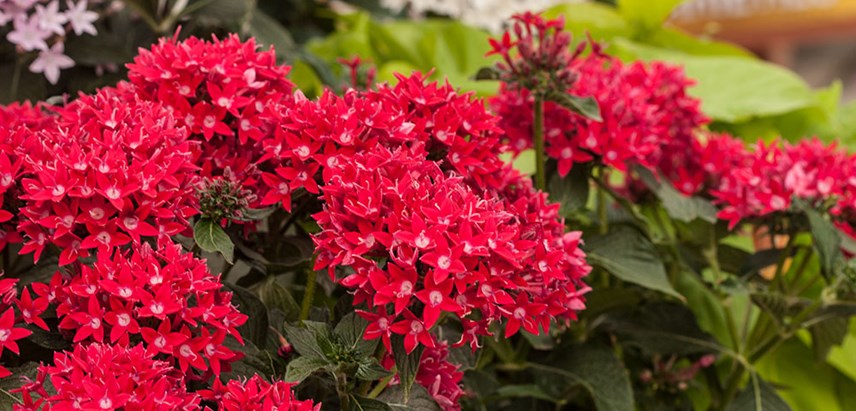
Penta ‘Red’ is compact and mounding, with a naturally bushy habit that looks full and lush without requiring obsessive pruning. The foliage is fine-textured and medium green, creating a beautiful background for the real stars of the show: those incredible five-pointed flowers. Each blossom is small but impactful, and they arrive in such profusion that the entire plant seems to shimmer with color. The red is pure and true—not orange, not pink, but genuinely red—which makes it a bold partner in the garden. Plants typically reach about 18 to 24 inches tall and spread equally wide, making them perfect for containers, garden beds, and borders where you want a concentrated pop of color.

Growing it in your garden

Penta ‘Red’ is a tropical plant, which means it’s heat-loving and not winter-hardy in Connecticut. Think of it as an annual or season-long container plant, not a perennial you can leave in the ground. This actually works beautifully in our climate—it thrives during our warm months and celebrates the heat that sometimes challenges other plants. Place it in full sun to light shade; you’ll get the most prolific flowering in six to eight hours of direct sunlight daily. It tolerates afternoon shade reasonably well, though flowering may be somewhat reduced.

Soil should be well-draining and moderately fertile. Penta ‘Red’ isn’t fussy about pH, but it does appreciate soil that doesn’t stay soggy. If you’re planting in a container (and many gardeners do, since it allows you to move plants to the porch or patio), use a quality potting mix. In-ground, amend native soil with compost to improve drainage and fertility.

Through the seasons

Plant Penta ‘Red’ after the danger of frost has passed—typically around Memorial Day in most of Connecticut. It will take a few weeks to establish and begin flowering, but by mid-to-late July, the show is in full swing. Unlike some annuals that exhaust themselves by August, Penta ‘Red’ maintains its enthusiasm through fall. It continues flowering until the first hard frost—often well into October, depending on your location. Even as temperatures cool, the plant keeps producing blooms, making it invaluable for extending color into autumn when many other plants are winding down. In containers, you can dig plants up before frost and bring them indoors if you’d like to experiment with overwintering on a sunny windowsill, though most gardeners treat them as annuals and start fresh each year.

Where it shines

Penta ‘Red’ excels in containers, where its compact size and continuous blooming can be celebrated up close. Group several together on a patio or porch for a stunning color statement. In garden beds, it’s wonderful as a mid-border plant or as part of a mixed planting with complementary colors and textures. It’s absolutely perfect for butterfly gardens—monarchs and swallowtails adore it—and hummingbirds will visit constantly. You’ll also attract beneficial insects. Use it to brighten shady foundation plantings that need warmth and color, or tuck it into cottage-style gardens where its exuberance feels right at home. Because it tolerates heat and dries out somewhat between waterings, it’s an excellent choice for gardeners dealing with hot, challenging spots.

Perfect companions

Pair Penta ‘Red’ with silvery-foliaged plants like dusty miller or senecio for a sophisticated contrast. White flowers—alyssum, white impatiens, white vinca—create a cheerful, crisp combination. Blue flowers like salvia or scaevola provide cool counterpoint to the heat of the red. In containers, combine it with trailing ivy geranium or purple-leaved iresine for drama. In beds, it works beautifully with ornamental grasses like seasonal fountain grass, which soften its intensity.

Care tips

Water regularly but allow soil to dry somewhat between waterings—this isn’t a plant that demands constant moisture. Once established, it’s quite drought-tolerant, which makes it ideal for Connecticut’s sometimes-dry summers. Pinch back young plants once or twice before they start flowering to encourage bushiness; after that, deadheading isn’t strictly necessary thanks to Penta ‘Red’s prolific nature, but removing spent flowers can encourage even more blooms. Fertilize every few weeks with a balanced fertilizer or use a slow-release formula at planting time. Watch for spider mites in very hot, dry conditions; a strong spray from the hose usually solves the problem.

Quick facts

  • Hardiness Zone: Tropical annual (not winter-hardy in Connecticut)
  • Mature Height & Spread: 18–24 inches tall and wide
  • Bloom Season: July through first frost
  • Light Requirements: Full sun to light shade (6–8 hours direct sun optimal)
  • Water Needs: Moderate; drought-tolerant once established
  • Available at: Both our retail and wholesale locations

Penta ‘ Red ‘

Category:

Pentas (Pentas lanceolata) are also called Egyptian stars for the bloom’s five-pointed shape. The plant is a shrub that gets up to 6 feet (2 m.) tall and 3 feet (1 m.) wide

Pot Size (gallons), Height: #1

Description

PENTA ‘RED’ (PENTAS LANCEOLATA)

If you’ve been searching for a plant that brings genuine excitement to your Connecticut garden from July straight through the first frost, stop looking. Penta ‘Red’ is that plant. This stunner arrives at your garden already brimming with energy—brilliant scarlet-red flowers that seem to glow in the afternoon sun, attracting butterflies, hummingbirds, and admiring glances from everyone who walks by. Unlike some garden showoffs that demand constant attention, Penta ‘Red’ is refreshingly low-maintenance, heat-loving, and utterly reliable through the unpredictable New England summer.

What it looks like

Penta ‘Red’ is compact and mounding, with a naturally bushy habit that looks full and lush without requiring obsessive pruning. The foliage is fine-textured and medium green, creating a beautiful background for the real stars of the show: those incredible five-pointed flowers. Each blossom is small but impactful, and they arrive in such profusion that the entire plant seems to shimmer with color. The red is pure and true—not orange, not pink, but genuinely red—which makes it a bold partner in the garden. Plants typically reach about 18 to 24 inches tall and spread equally wide, making them perfect for containers, garden beds, and borders where you want a concentrated pop of color.

Growing it in your garden

Penta ‘Red’ is a tropical plant, which means it’s heat-loving and not winter-hardy in Connecticut. Think of it as an annual or season-long container plant, not a perennial you can leave in the ground. This actually works beautifully in our climate—it thrives during our warm months and celebrates the heat that sometimes challenges other plants. Place it in full sun to light shade; you’ll get the most prolific flowering in six to eight hours of direct sunlight daily. It tolerates afternoon shade reasonably well, though flowering may be somewhat reduced.

Soil should be well-draining and moderately fertile. Penta ‘Red’ isn’t fussy about pH, but it does appreciate soil that doesn’t stay soggy. If you’re planting in a container (and many gardeners do, since it allows you to move plants to the porch or patio), use a quality potting mix. In-ground, amend native soil with compost to improve drainage and fertility.

Through the seasons

Plant Penta ‘Red’ after the danger of frost has passed—typically around Memorial Day in most of Connecticut. It will take a few weeks to establish and begin flowering, but by mid-to-late July, the show is in full swing. Unlike some annuals that exhaust themselves by August, Penta ‘Red’ maintains its enthusiasm through fall. It continues flowering until the first hard frost—often well into October, depending on your location. Even as temperatures cool, the plant keeps producing blooms, making it invaluable for extending color into autumn when many other plants are winding down. In containers, you can dig plants up before frost and bring them indoors if you’d like to experiment with overwintering on a sunny windowsill, though most gardeners treat them as annuals and start fresh each year.

Where it shines

Penta ‘Red’ excels in containers, where its compact size and continuous blooming can be celebrated up close. Group several together on a patio or porch for a stunning color statement. In garden beds, it’s wonderful as a mid-border plant or as part of a mixed planting with complementary colors and textures. It’s absolutely perfect for butterfly gardens—monarchs and swallowtails adore it—and hummingbirds will visit constantly. You’ll also attract beneficial insects. Use it to brighten shady foundation plantings that need warmth and color, or tuck it into cottage-style gardens where its exuberance feels right at home. Because it tolerates heat and dries out somewhat between waterings, it’s an excellent choice for gardeners dealing with hot, challenging spots.

Perfect companions

Pair Penta ‘Red’ with silvery-foliaged plants like dusty miller or senecio for a sophisticated contrast. White flowers—alyssum, white impatiens, white vinca—create a cheerful, crisp combination. Blue flowers like salvia or scaevola provide cool counterpoint to the heat of the red. In containers, combine it with trailing ivy geranium or purple-leaved iresine for drama. In beds, it works beautifully with ornamental grasses like seasonal fountain grass, which soften its intensity.

Care tips

Water regularly but allow soil to dry somewhat between waterings—this isn’t a plant that demands constant moisture. Once established, it’s quite drought-tolerant, which makes it ideal for Connecticut’s sometimes-dry summers. Pinch back young plants once or twice before they start flowering to encourage bushiness; after that, deadheading isn’t strictly necessary thanks to Penta ‘Red’s prolific nature, but removing spent flowers can encourage even more blooms. Fertilize every few weeks with a balanced fertilizer or use a slow-release formula at planting time. Watch for spider mites in very hot, dry conditions; a strong spray from the hose usually solves the problem.

Quick facts

  • Hardiness Zone: Tropical annual (not winter-hardy in Connecticut)
  • Mature Height & Spread: 18–24 inches tall and wide
  • Bloom Season: July through first frost
  • Light Requirements: Full sun to light shade (6–8 hours direct sun optimal)
  • Water Needs: Moderate; drought-tolerant once established
  • Available at: Both our retail and wholesale locations