
Description

HOSTA PLANTAGINEA
What if you could have a shade plant that doesn’t just survive—but actually thrives—in the deepest, driest corners of your Connecticut garden? And what if that same plant rewarded your patience with the most intoxicating fragrance you’ve ever encountered on a late summer evening? That’s the magic of Plantain Lily. While most hostas are content to be the quiet backbone of shade gardens, HOSTA PLANTAGINEA steps forward with fragrant white blooms that open in the cool of dusk, filling the air with a honey-sweet perfume that reminds you why shade gardening is so deeply worth doing.
What it looks like
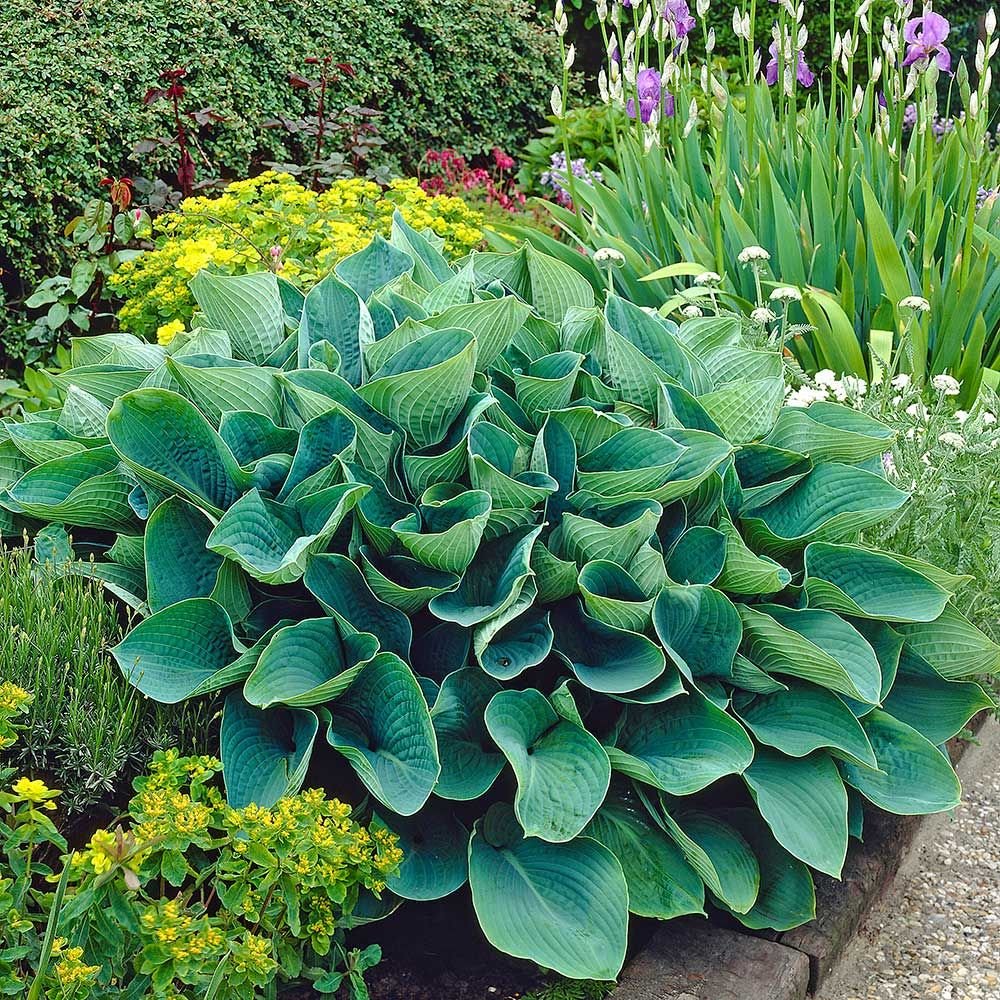
Plantain Lily is an architectural plant with substance. Its broad, glossy green leaves form an elegant mound, with a texture that’s almost reminiscent of hostas’ classic cousins but with a particular shine and vigor. In late summer, typically from August through September in our Connecticut growing season, slender flower spikes emerge above the foliage, reaching 24 to 30 inches tall. The flowers themselves are tubular and delicate, pure white or occasionally pale purple, and they’re noticeably larger and more showy than most hosta varieties. The real surprise? They open in the evening and release that distinctive fragrance when other gardeners are just coming out to enjoy their patios. This is a plant that engages all your senses.
Growing it in your garden
HOSTA PLANTAGINEA appreciates afternoon shade and consistent moisture, but here’s what makes it special: it’s actually more sun-tolerant than many hosta varieties. In Connecticut’s cool climate, it can handle more direct morning sun than you might expect. The key is keeping the soil rich, organic, and evenly moist without allowing it to become waterlogged—that New England balance we all know so well.
Plant it in spring or early fall, working plenty of compost or aged leaf mold into your planting hole. Hostas are not demanding feeders, but they do appreciate the slow, steady nutrition that organic matter provides. Once established, this is a tremendously low-maintenance plant. It doesn’t need division frequently (unlike some other hostas), and it’s virtually pest-free. Japanese beetles might nibble occasionally, but they’re rarely devastating.
Through the seasons
Spring arrives with emerging shoots that unfold into those beautiful glossy mounds. By midsummer, you have a full, elegant presence in your shade garden—solid green architecture that never looks tired or shabby. Then comes the grand finale in late summer and early fall. Those fragrant flower spikes appear, and suddenly your evening strolls become something to anticipate. After bloom, the foliage remains attractive through fall, turning a soft yellow-green before going dormant. Like all hostas, it’s fully hardy through Connecticut winters and emerges reliably each spring without fail.
Where it shines
This is the hosta for the shade lover who wants more than just foliage. Plant it near a patio, deck, or seating area where you can actually enjoy that fragrance on warm August and September evenings. It’s wonderful along a woodland path, at the edge of a shade border, or as a foundation planting where you want something bold and beautiful that isn’t a typical shrub. It pairs beautifully with ferns, astilbes, and other shade-tolerant perennials that appreciate the same growing conditions.
Perfect companions
Plantain Lily loves the company of other shade plants with different textures. Pair it with the feathery fronds of autumn ferns or the lacey texture of astilbes—the broad leaves of the hosta create a stunning contrast. Add some shade-tolerant hellebores for early spring interest before the hosta emerges. Epimediums, coral bells, and sedges all make wonderful neighbors. For a more subtle combination, surround it with shade-loving groundcovers like VINCA or LAMIUM that won’t compete for attention.
Care tips
Plantain Lily really doesn’t ask for much. Mulch around plants with compost or shredded leaves each fall—this mimics the forest floor environment these plants love and adds nutrients as it breaks down. Remove flower spikes after bloom if you prefer a tidier appearance, or leave them standing—they have a certain architectural beauty even as they fade. In very dry summers, supplemental watering helps ensure vigorous growth and abundant blooms. Cut foliage back in late fall or early spring as you would with any herbaceous perennial.
Quick facts
- Hardiness Zone: 3-9 (reliably hardy throughout Connecticut)
- Mature Height & Spread: 18-24 inches tall, 24-30 inches wide
- Bloom Season: Late August through September
- Light Requirements: Partial to full shade; tolerates some morning sun
- Water Needs: Moderate; prefers consistently moist soil
- Available at: Both our retail and wholesale locations