
Description
POTENTILLA FRUTICOSA
What if one plant could do everything? What if it could handle neglect like a champ, bloom prolifically for months on end, thrive in poor soil that makes other plants turn up their noses, and ask for virtually nothing in return? The Potentilla doesn’t just answer that question—it embodies it. This shrubby little powerhouse has earned a devoted following among Connecticut gardeners who’ve discovered that sometimes the most reliable plants are also the most humble.
What it looks like
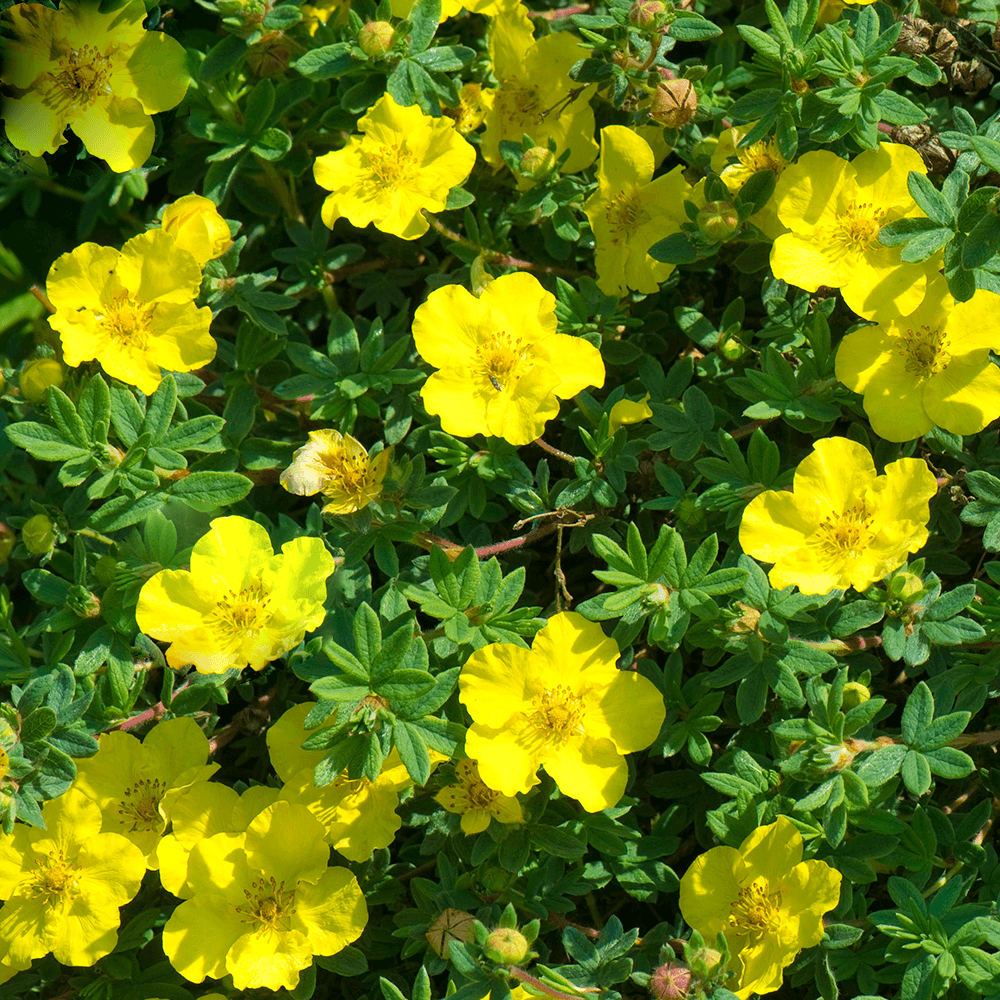
Potentilla wears its charm unpretentiously. This deciduous shrub grows into a neat, naturally mounded form with fine-textured, feathery foliage that’s almost delicate to look at. The leaves are compound and finely divided, creating an airy, graceful appearance even when the plant isn’t flowering. But here’s the magic: for months—often from late spring straight through fall—the stems are absolutely smothered in cheerful, five-petaled flowers that look like tiny roses. Available in sunny yellows, warm oranges, coral-reds, creams, and even soft pink hues depending on the variety, these blooms practically glow in the garden. They’re not showy in that demanding way some flowers are; instead, they’re charmingly abundant, almost naive in their sweetness.
Growing it in your garden
Potentilla is what we call a plant that rewards you for planting it and then leaving it alone. Unlike so many Connecticut garden darlings that demand perfect drainage, rich soil, and your constant attention, POTENTILLA FRUTICOSA will actually thrive in conditions that challenge other shrubs. It tolerates poor, infertile soil beautifully—in fact, overly rich soil can make it leggy and reduce flowering. It’s naturally adapted to the variable New England climate and handles our temperature swings without complaint. Plant it in full sun for the best bloom show, though it’ll flower even in partial shade. Space plants according to their mature spread; they’re not aggressive spreaders, but they do deserve room to develop their natural form.
Through the seasons
Spring brings the emergence of those fine leaves in soft greens, and you’ll start seeing flower buds forming fairly quickly. By early summer, flowering intensifies and becomes almost relentless—this is when Potentilla truly earns its place in your garden. Unlike many flowering shrubs that give you a brief window of glory and then call it a season, Potentilla keeps right on blooming. Deadhead spent flowers if you want to be fussy about it, but honestly, the plant looks fine without this attention. Fall colors are gentle—the foliage takes on warm bronze and rust tones before dropping. Winter reveals an attractive branching structure that adds subtle interest to the dormant garden, and the plant’s hardiness means it’ll bounce back reliably every spring, no matter how rough our Connecticut winters get.
Where it shines
Potentilla is at home in so many places it’s almost easier to say where it isn’t needed. Rock gardens, mixed borders, cottage garden settings, and informal hedging all showcase this plant beautifully. It’s small enough for the front of a border but substantial enough to anchor a planting scheme. Many gardeners use it to edge paths or to create color at the edge of woodland gardens. Because it tolerates poor soil and dry conditions once established, it’s perfect for tough spots where other plants have failed. It’s also wonderful in containers and doesn’t sulk if you forget to water as faithfully as you probably should.
Perfect companions
Potentilla’s long season and cheerful coloring play beautifully with other reliable New England plants. Pair yellow varieties with purple-leaved smoke bush, silver artemisia, or ornamental grasses for stunning contrast. Orange and coral selections are stunning alongside blue-flowering companions like PEROVSKIA or CARYOPTERIS. The fine texture of Potentilla foliage is a perfect foil for bolder plants like hydrangeas or larger-leafed shrubs. It’s also a wonderful partner for summer-bloomers like coneflower and black-eyed Susan.
Care tips
Potentilla is genuinely low-maintenance, but a few small gestures will keep it looking its best. A light shaping in early spring maintains a neat appearance—you can even give it a gentle overall trim if needed, and it’ll respond with bushier growth. Deadheading extends the bloom season, though it’s entirely optional. Once established, supplemental watering is rarely necessary except during genuine drought. A light mulch helps conserve moisture in sandy soils, but Potentilla doesn’t demand this. Fertilizer? Skip it. This plant thrives on neglect.
Quick facts
- Hardiness Zone: 2-7 (reliably winter-hardy throughout Connecticut)
- Mature Height & Spread: 2-4 feet tall and wide, depending on variety
- Bloom Season: June through September (occasionally into October)
- Light Requirements: Full sun to part shade (best flowering in full sun)
- Water Needs: Low to moderate; drought-tolerant once established
- Available at: Both our retail and wholesale locations