
Description
JUNIPERUS SCOPULORUM
If you’ve been searching for a plant that laughs in the face of Connecticut’s toughest growing conditions, Garden Juniper might be your answer. This is the plant that thrives where others struggle—in rocky soil, sandy spots, and full sun that would exhaust less rugged specimens. It’s the kind of evergreen that asks very little and gives generously in return, year after year, without fussing or demanding your attention. Once established, it’s essentially the gardener’s dream: tough, beautiful, and utterly dependable.
What it looks like
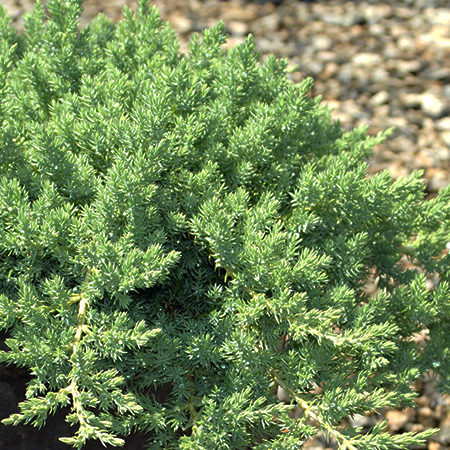
Garden Juniper presents itself as a refined architectural element in the landscape. Depending on the cultivar, you’ll find forms ranging from upright and columnar to sprawling groundcovers, but they all share that distinctive juniper character—fine, feathery foliage that seems to glow from within. The needle-like foliage comes in an impressive range of colors: steely blue-gray, soft sage green, bronze-tinged, or even golden yellow depending on the variety and season. Many cultivars intensify their color in winter, taking on deeper blues or purples that add drama to the winter garden. The bark is often a handsome reddish-brown, creating lovely textural interest even when the foliage is obscured by snow.
Growing it in your garden
Here’s what makes Garden Juniper so valuable in a New England garden: it genuinely prefers the exact conditions that challenge many ornamental plants. Full sun is ideal—aim for at least six hours daily, more if possible. Unlike so many plants that sulk in less-than-ideal soil, junipers actually perform better in well-draining, even lean soil. In fact, overly rich soil can make them leggy and weak. This is one of the few plants where your worst garden spots—that rocky corner, the sandy bank, the windswept ridge—become ideal planting locations.
Plant in spring or fall, spacing according to the mature width of your chosen cultivar. Once established, Garden Juniper requires minimal supplemental watering except during severe drought. It’s one of those plants that seems to gather strength from adversity rather than being weakened by it.
Through the seasons
Spring brings fresh new growth, with subtle color shifts as new foliage emerges in lighter shades. Summer is when Garden Juniper truly earns its place—the foliage darkens and stabilizes, creating a solid, architectural presence that anchors the garden. This is when you’ll most appreciate its structural form and reliability.
Autumn often brings surprising beauty, as many cultivars deepen their color palette, shifting toward bronze, plum, or intensified blue tones. This isn’t damage; it’s the plant’s natural response to cool temperatures and shorter days, and it adds unexpected seasonal interest to your landscape. Winter, of course, is when evergreens like JUNIPERUS SCOPULORUM truly shine. While deciduous plants are bare, your juniper remains vibrant and present, providing structure, color, and shelter for overwintering birds and beneficial insects.
Where it shines
Garden Juniper excels in locations where you might hesitate to plant anything else. Those windswept hilltops? Perfect. Rocky outcroppings? Ideal. Dry, sandy banks? This is where it actually thrives. It’s equally at home in contemporary landscapes, cottage gardens, and native plant gardens. Use it as a specimen plant to anchor a bed, as a vertical element to contrast with rounded forms, as a groundcover for difficult slopes, or in groups for a mass planting with serious visual impact. In Connecticut gardens, it’s invaluable for erosion control on slopes while providing year-round beauty.
Perfect companions
Garden Juniper pairs beautifully with other sun-loving, drought-tolerant plants. Consider combining it with ornamental grasses like Calamagrostis or Festuca for textural contrast. Sedums, sempervivums, and other succulents complement it wonderfully. For larger companions, pair it with other tough natives like serviceberry or crabapple. In a more refined scheme, underplant with silvery-foliaged perennials like artemisia or Russian sage for a sophisticated, cohesive look.
Care tips
The beauty of Garden Juniper is that it essentially maintains itself. Prune only if you want to control size or shape; otherwise, let it be. Remove any dead or diseased branches. No fertilizer is necessary—remember, lean soil is actually preferable. Water regularly during the first growing season to establish a strong root system, then gradually reduce supplemental watering as the plant matures. It’s remarkably pest and disease-resistant in Connecticut gardens.
Quick facts
- Hardiness Zone: 3-7
- Mature Height & Spread: Varies by cultivar, from 2 feet to 30+ feet; consult specific variety information
- Bloom Season: Non-flowering; valued for foliage
- Light Requirements: Full sun (6+ hours daily)
- Water Needs: Low; drought-tolerant once established
- Available at: Both our retail and wholesale locations