Red Top Gun Rose

ROSA ‘RED TOP GUN’

What if one plant could deliver non-stop color, disease resistance, and that classic rose fragrance all summer long? RED TOP GUN rose isn’t just another pretty bloom—it’s a workhorse that actually *wants* to succeed in your Connecticut garden. This David Austin English rose hybrid has quietly become a favorite among serious gardeners who refuse to settle for finicky plants that need constant babying. From June straight through October, this beauty rewards you with armfuls of brilliant crimson flowers that smell absolutely divine.

What it looks like

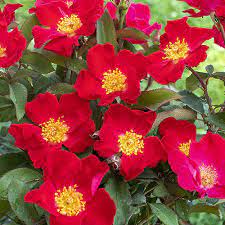
RED TOP GUN produces cupped blooms that open a velvety deep red, often with hints of scarlet that catch the sunlight beautifully. The flowers are full and romantic—the kind you’ll want to cut for your kitchen table—and they arrive in clusters that create real impact in the garden. Individual blooms are substantial without being overwhelming, typically reaching about 3 to 4 inches across. The plant itself grows as a sturdy, upright shrub with healthy, disease-resistant foliage that’s glossy and deep green. Unlike many roses, the leaves don’t look tired or spotted by late summer; they maintain their vigor and visual appeal right through fall.

Growing it in your garden

This rose has been bred specifically to handle the kind of conditions gardeners actually encounter, which means it doesn’t require the obsessive care of fussy heirloom varieties. Plant RED TOP GUN in a location with at least six hours of direct sun—more is fine, and it’ll actually handle afternoon part-shade better than some roses. Soil-wise, it prefers well-draining earth enriched with organic matter. If you’ve been avoiding roses because you think they’re too demanding, this one might change your mind. It has good disease resistance to powdery mildew and black spot, two conditions that plague roses in humid New England summers. That said, proper air circulation still matters, so avoid planting it where moisture gets trapped.

Through the seasons

Spring arrives, and RED TOP GUN leafs out reliably, even after Connecticut’s unpredictable winters. By early summer, the first flush of flowers appears, and if you deadhead spent blooms, you’ll trigger successive flushes throughout the growing season. There’s a pause sometimes in the hottest part of August—totally normal—but cooler September temperatures bring another wave of blooms. Fall color in the foliage is subtle but elegant, and the plant maintains decent structure heading into winter. In Connecticut’s Zone 6 climate, it dies back to the ground or loses some canes in severe winters, but it reliably returns each spring.

Where it shines

RED TOP GUN earned its “Top Gun” name by excelling in rose gardens, yes, but it’s equally stunning mixed into shrub borders where you want continuous color without the formal rose garden vibe. Use it as a specimen that anchors a cottage garden, plant it in groups of three for real visual punch, or combine it with complementary plantings. It’s tall enough and substantial enough to hold its own among other shrubs, but the continuous blooming keeps things lively from summer through fall. In smaller gardens, it works beautifully as a focal point near an entryway or along a pathway where you can enjoy the fragrance as you pass.

Perfect companions

Pair RED TOP GUN with purple-toned companions like SALVIA or DELPHINIUM for sophisticated color harmony. The silvery foliage of ARTEMISIA or RUSSIAN SAGE creates a lovely textural contrast that lets the rose’s red really pop. White-flowering perennials like PHLOX or GAURA provide cooling relief against the intensity of the crimson blooms. Ornamental grasses like MISCANTHUS add movement and airy grace. Even simple green foliage plants matter here—boxwood, yew, or dark green shrubs give the rose something to shine against without competing for attention.

Care tips

In spring, prune RED TOP GUN back by about one-third to encourage bushier growth and more flowers. Deadhead regularly to keep blooms coming all season. Feed monthly during the growing season with a balanced rose fertilizer or organic alternative—consistent feeding is more important than complicated products. Water deeply and regularly, especially during Connecticut’s hot, dry stretches. Mulch around the base with 2-3 inches of compost or shredded bark to conserve moisture and keep roots cool. Watch for signs of black spot in humid conditions; if you notice it, improve air circulation and remove affected leaves promptly. One last thing: don’t be afraid of pruning. This rose responds beautifully to confident pruning and actually produces better blooms when you give it regular attention.

Quick facts

  • Hardiness Zone: Zone 5-10 (reliable in Connecticut)
  • Mature Height & Spread: 4-5 feet tall and about 3-4 feet wide
  • Bloom Season: June through October with deadheading
  • Light Requirements: Full sun (6+ hours); tolerates afternoon part-shade
  • Water Needs: Regular, deep watering; prefers consistent moisture
  • Available at: Both our retail and wholesale locations

Red Top Gun Rose

Category:

Top Gun™ beats the competition with a bang! This tough-as-nails landscape rose offers richly-colored 3″ flowers, its petals so deep pink that at times they seem red or even orange. Its foliage is a rich, dark green,

Pot Size (gallons), Height: #3

Description

Red Top Gun Rose

ROSA ‘RED TOP GUN’

What if one plant could deliver non-stop color, disease resistance, and that classic rose fragrance all summer long? RED TOP GUN rose isn’t just another pretty bloom—it’s a workhorse that actually *wants* to succeed in your Connecticut garden. This David Austin English rose hybrid has quietly become a favorite among serious gardeners who refuse to settle for finicky plants that need constant babying. From June straight through October, this beauty rewards you with armfuls of brilliant crimson flowers that smell absolutely divine.

What it looks like

RED TOP GUN produces cupped blooms that open a velvety deep red, often with hints of scarlet that catch the sunlight beautifully. The flowers are full and romantic—the kind you’ll want to cut for your kitchen table—and they arrive in clusters that create real impact in the garden. Individual blooms are substantial without being overwhelming, typically reaching about 3 to 4 inches across. The plant itself grows as a sturdy, upright shrub with healthy, disease-resistant foliage that’s glossy and deep green. Unlike many roses, the leaves don’t look tired or spotted by late summer; they maintain their vigor and visual appeal right through fall.

Growing it in your garden

This rose has been bred specifically to handle the kind of conditions gardeners actually encounter, which means it doesn’t require the obsessive care of fussy heirloom varieties. Plant RED TOP GUN in a location with at least six hours of direct sun—more is fine, and it’ll actually handle afternoon part-shade better than some roses. Soil-wise, it prefers well-draining earth enriched with organic matter. If you’ve been avoiding roses because you think they’re too demanding, this one might change your mind. It has good disease resistance to powdery mildew and black spot, two conditions that plague roses in humid New England summers. That said, proper air circulation still matters, so avoid planting it where moisture gets trapped.

Through the seasons

Spring arrives, and RED TOP GUN leafs out reliably, even after Connecticut’s unpredictable winters. By early summer, the first flush of flowers appears, and if you deadhead spent blooms, you’ll trigger successive flushes throughout the growing season. There’s a pause sometimes in the hottest part of August—totally normal—but cooler September temperatures bring another wave of blooms. Fall color in the foliage is subtle but elegant, and the plant maintains decent structure heading into winter. In Connecticut’s Zone 6 climate, it dies back to the ground or loses some canes in severe winters, but it reliably returns each spring.

Where it shines

RED TOP GUN earned its “Top Gun” name by excelling in rose gardens, yes, but it’s equally stunning mixed into shrub borders where you want continuous color without the formal rose garden vibe. Use it as a specimen that anchors a cottage garden, plant it in groups of three for real visual punch, or combine it with complementary plantings. It’s tall enough and substantial enough to hold its own among other shrubs, but the continuous blooming keeps things lively from summer through fall. In smaller gardens, it works beautifully as a focal point near an entryway or along a pathway where you can enjoy the fragrance as you pass.

Perfect companions

Pair RED TOP GUN with purple-toned companions like SALVIA or DELPHINIUM for sophisticated color harmony. The silvery foliage of ARTEMISIA or RUSSIAN SAGE creates a lovely textural contrast that lets the rose’s red really pop. White-flowering perennials like PHLOX or GAURA provide cooling relief against the intensity of the crimson blooms. Ornamental grasses like MISCANTHUS add movement and airy grace. Even simple green foliage plants matter here—boxwood, yew, or dark green shrubs give the rose something to shine against without competing for attention.

Care tips

In spring, prune RED TOP GUN back by about one-third to encourage bushier growth and more flowers. Deadhead regularly to keep blooms coming all season. Feed monthly during the growing season with a balanced rose fertilizer or organic alternative—consistent feeding is more important than complicated products. Water deeply and regularly, especially during Connecticut’s hot, dry stretches. Mulch around the base with 2-3 inches of compost or shredded bark to conserve moisture and keep roots cool. Watch for signs of black spot in humid conditions; if you notice it, improve air circulation and remove affected leaves promptly. One last thing: don’t be afraid of pruning. This rose responds beautifully to confident pruning and actually produces better blooms when you give it regular attention.

Quick facts

  • Hardiness Zone: Zone 5-10 (reliable in Connecticut)
  • Mature Height & Spread: 4-5 feet tall and about 3-4 feet wide
  • Bloom Season: June through October with deadheading
  • Light Requirements: Full sun (6+ hours); tolerates afternoon part-shade
  • Water Needs: Regular, deep watering; prefers consistent moisture
  • Available at: Both our retail and wholesale locations