
Overview

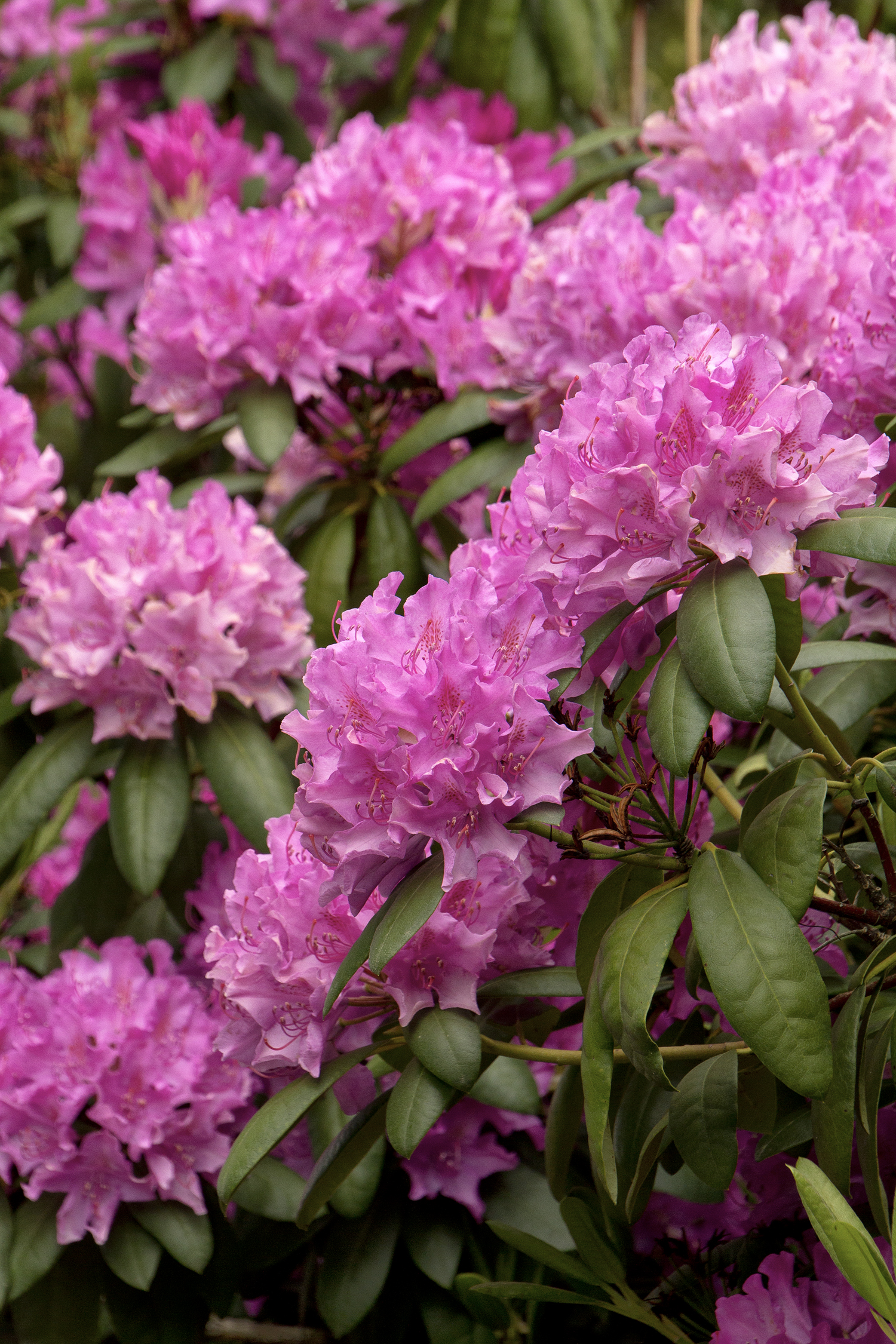
Roseum Elegans Rhododendron is a timeless, broadleaf evergreen shrub known for its large clusters of soft lavender-pink flowers and bold, leathery foliage. It’s one of the most dependable and widely planted rhododendrons, valued for its ability to bring both structure and color to the landscape. When in bloom, it creates a full, vibrant display that immediately draws attention.


Size & Presence

This is a large, rounded evergreen shrub that typically grows 6–8 feet tall and 6–8 feet wide over time. It develops a dense, full form that works well as both a specimen and a background planting.

Growth is moderate, filling in nicely without becoming unmanageable.


Flowers & Seasonal Interest

This plant really shines in late spring:

  • Late Spring: Large clusters of lavender to rose-pink flowers
  • Blooms are full and rounded, covering much of the plant
  • Year-round: Deep green, leathery evergreen leaves provide structure

Even when not in bloom, the foliage gives the plant a strong, substantial presence.


Light Requirements

Performs best in:

  • Partial shade

Ideal conditions:

  • Morning sun with afternoon shade
  • Protection from harsh midday sun

Too much sun can scorch the leaves, while too much shade may reduce flowering.


Soil & Water Needs

Rhododendrons are a bit more particular than other shrubs:

  • Prefer acidic, well-drained soil
  • Require consistent moisture, especially during establishment
  • Do not tolerate heavy, wet soils or poor drainage

Rhododendrons are a bit more particular than other shrubs:


Best Uses in the Landscape

Skip Laurel is a workhorse in the landscape and one of the best choices for

  • Foundation plantings
  • Woodland or shade gardens
  • Evergreen borders
  • Specimen shrub
  • Backdrops for smaller shade plants

It’s ideal for creating a lush, layered landscape, especially in partially shaded areas.


Design Insight (Helpful for Your Customers)

This plant works best when:

  • Planted in groups for a massed flowering effect
  • Combined with other shade-loving plants like ferns and hostas
  • Used to soften foundations or wooded edges

It brings a more natural, garden-like feel compared to formal shrubs.


Care & Maintenance

A little more attention is needed compared to tougher evergreens:

  • Water regularly, especially in dry periods
  • Mulch annually to protect shallow roots
  • Deadhead spent flowers if desired (not required)
  • Prune lightly after flowering if shaping is needed
  • Avoid planting too deep

Healthy soil and proper placement are key to long-term success.


Why People Choose It

Customers choose Roseum Elegans because:

  • It produces large, showy spring blooms
  • It provides evergreen structure year-round
  • It thrives in shaded areas where other plants struggle
  • It has a classic, established garden look

It’s one of the best choices for adding color, texture, and depth to shaded landscapes.


Source

General horticultural characteristics consistent with university extension and nursery standards (including UConn Plant Database references where applicable)
Roseum Elegans Rhododendron

A popular foundation plant. Produces lilac flowers in late Spring. Heat tolerant.

Zoning: 4-7
Mature Height and Spread: 6-8’

Description

Overview

Roseum Elegans Rhododendron is a timeless, broadleaf evergreen shrub known for its large clusters of soft lavender-pink flowers and bold, leathery foliage. It’s one of the most dependable and widely planted rhododendrons, valued for its ability to bring both structure and color to the landscape. When in bloom, it creates a full, vibrant display that immediately draws attention.


Size & Presence

This is a large, rounded evergreen shrub that typically grows 6–8 feet tall and 6–8 feet wide over time. It develops a dense, full form that works well as both a specimen and a background planting.

Growth is moderate, filling in nicely without becoming unmanageable.


Flowers & Seasonal Interest

This plant really shines in late spring:

  • Late Spring: Large clusters of lavender to rose-pink flowers
  • Blooms are full and rounded, covering much of the plant
  • Year-round: Deep green, leathery evergreen leaves provide structure

Even when not in bloom, the foliage gives the plant a strong, substantial presence.


Light Requirements

Performs best in:

  • Partial shade

Ideal conditions:

  • Morning sun with afternoon shade
  • Protection from harsh midday sun

Too much sun can scorch the leaves, while too much shade may reduce flowering.


Soil & Water Needs

Rhododendrons are a bit more particular than other shrubs:

  • Prefer acidic, well-drained soil
  • Require consistent moisture, especially during establishment
  • Do not tolerate heavy, wet soils or poor drainage

Rhododendrons are a bit more particular than other shrubs:


Best Uses in the Landscape

Skip Laurel is a workhorse in the landscape and one of the best choices for

  • Foundation plantings
  • Woodland or shade gardens
  • Evergreen borders
  • Specimen shrub
  • Backdrops for smaller shade plants

It’s ideal for creating a lush, layered landscape, especially in partially shaded areas.


Design Insight (Helpful for Your Customers)

This plant works best when:

  • Planted in groups for a massed flowering effect
  • Combined with other shade-loving plants like ferns and hostas
  • Used to soften foundations or wooded edges

It brings a more natural, garden-like feel compared to formal shrubs.


Care & Maintenance

A little more attention is needed compared to tougher evergreens:

  • Water regularly, especially in dry periods
  • Mulch annually to protect shallow roots
  • Deadhead spent flowers if desired (not required)
  • Prune lightly after flowering if shaping is needed
  • Avoid planting too deep

Healthy soil and proper placement are key to long-term success.


Why People Choose It

Customers choose Roseum Elegans because:

  • It produces large, showy spring blooms
  • It provides evergreen structure year-round
  • It thrives in shaded areas where other plants struggle
  • It has a classic, established garden look

It’s one of the best choices for adding color, texture, and depth to shaded landscapes.


Source

General horticultural characteristics consistent with university extension and nursery standards (including UConn Plant Database references where applicable)