Russian Sage

If you’re looking for a plant that brings sophisticated style and effortless grace to your Connecticut garden, Russian Sage is absolutely worth your attention. Despite its exotic-sounding name, this stunning perennial is surprisingly easy to grow in our New England climate, and once it settles in, it practically takes care of itself. With its airy, cloud-like texture and cool-toned blooms, it’s the kind of plant that makes you feel like a garden design genius—even if you’re still learning the ropes!

What it looks like

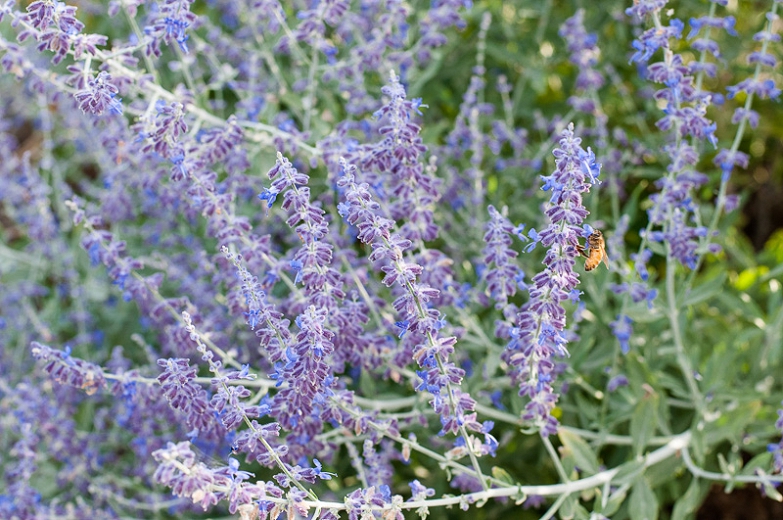
PEROVSKIA ATRIPLICIFOLIA is one of those plants that feels like a delicate work of art in your garden. It grows as a tall, loosely branched shrubby perennial with narrow, finely textured silvery-green foliage that’s almost feathery in appearance. The real magic happens when it blooms: tiny tubular flowers in soft lavender-blue float above the foliage in long, airy panicles, creating this wonderful billowing effect that seems to shimmer in the slightest breeze. The stems themselves are also attractive—they have a pale, whitish appearance that adds to the overall ethereal quality of the plant. It’s the kind of plant that looks best when you can see through it a bit, rather than something solid and dense. Height-wise, it typically reaches three to four feet tall with a similar spread, though this can vary depending on your growing conditions here in Connecticut.

Growing it in your garden

Russian Sage is genuinely one of the most forgiving plants you can add to a New England garden. It absolutely loves full sun—and I mean really loves it—so find it a spot that gets at least six to eight hours of direct sunlight daily. The good news is that it’s not fussy about soil. While it prefers well-draining soil, it’s actually quite drought-tolerant once established, which is wonderful for those dry spells we sometimes get here in Connecticut summers. In fact, overly rich soil and too much moisture are the main things that can cause it problems. If you have heavy clay soil, amending with some sand or gravel can help improve drainage. The plant is also very winter-hardy here in Connecticut, typically thriving in Zones 5 and 6, so you won’t need to baby it through our cold winters.

Through the seasons

Russian Sage puts on a show throughout much of the growing season, which is one of my favorite things about it. In late spring and early summer, the silvery-green foliage really starts to shine, and by mid to late summer, the flowers begin their lovely display. The blooms continue through early fall, which is especially valuable because many of our other perennials are starting to fade by then. In autumn, as temperatures drop, the foliage and flowers can take on purplish tones, extending the color show even further. Come winter, the dried stems have their own sculptural beauty, and if you leave them standing through the cold months, they provide nice winter interest in your garden and also give beneficial insects a place to overwinter. Come spring, you simply cut the plant back hard before new growth emerges, and it bounces back beautifully.

Where it shines

This is such a versatile plant! Russian Sage is absolutely stunning in cottage-style gardens, but it’s equally at home in contemporary designs. It works beautifully in mixed perennial borders where its airy texture contrasts nicely with plants that have bolder foliage or denser forms. I love using it in sunny perennial beds, cottage gardens, and even as a standalone specimen where you want to create a focal point. It’s also an excellent choice for difficult spots—those dry, sunny areas where you’ve struggled to find something that looks good. Many gardeners also love using it in cutting gardens because the flowers and foliage add such lovely texture to arrangements.

Perfect companions

Russian Sage plays well with so many other plants! It pairs beautifully with the warm golden tones of yarrow (ACHILLEA species) and creates a lovely color contrast with purple coneflowers (ECHINACEA). Deep burgundy foliage plants like heuchera look stunning next to its silvery leaves, and it works wonderfully alongside salvias and catmint. For a more dramatic effect, pair it with black-eyed susans (RUDBECKIA) or bold grasses like panicum. The key is choosing companions that also appreciate full sun and well-draining soil, since Russian Sage tends to languish in shady, wet spots.

Care tips

Once your Russian Sage is established—which typically takes about a year—it requires very little maintenance. Water regularly the first season to help it get established, but afterward, you can rely on rainfall for most of its water needs unless we’re in a particularly dry spell. Overwatering is actually more of a problem than underwatering, so resist the urge to be too generous. In early spring, cut the plant back to about six to twelve inches from the ground before new growth emerges; this keeps it from getting too leggy and encourages a full, bushy form. You don’t need to fertilize—in fact, too much nitrogen can make the plant floppy. If your plant looks a bit sparse in midsummer, you can cut it back again to encourage fuller branching and more late-season blooms.

Quick facts

  • Hardiness Zone: 5-9 (thrives throughout Connecticut)
  • Mature Height & Spread: 3-4 feet tall and wide
  • Bloom Season: Mid-summer through early fall
  • Light Requirements: Full sun (6-8 hours minimum)
  • Water Needs: Low to moderate; drought-tolerant once established
  • Available at: Both our retail and wholesale locations.

Russian Sage

Easily grown in average, dry to medium, well-drained soils in full sun. Sharp soil drainage is especially important. Avoid wet, poorly drained soils. Plants have good drought tolerance. Best flowering occurs in full sun locations.

Pot Size (gallons), Height: #1

Description

Russian Sage

If you’re looking for a plant that brings sophisticated style and effortless grace to your Connecticut garden, Russian Sage is absolutely worth your attention. Despite its exotic-sounding name, this stunning perennial is surprisingly easy to grow in our New England climate, and once it settles in, it practically takes care of itself. With its airy, cloud-like texture and cool-toned blooms, it’s the kind of plant that makes you feel like a garden design genius—even if you’re still learning the ropes!

What it looks like

PEROVSKIA ATRIPLICIFOLIA is one of those plants that feels like a delicate work of art in your garden. It grows as a tall, loosely branched shrubby perennial with narrow, finely textured silvery-green foliage that’s almost feathery in appearance. The real magic happens when it blooms: tiny tubular flowers in soft lavender-blue float above the foliage in long, airy panicles, creating this wonderful billowing effect that seems to shimmer in the slightest breeze. The stems themselves are also attractive—they have a pale, whitish appearance that adds to the overall ethereal quality of the plant. It’s the kind of plant that looks best when you can see through it a bit, rather than something solid and dense. Height-wise, it typically reaches three to four feet tall with a similar spread, though this can vary depending on your growing conditions here in Connecticut.

Growing it in your garden

Russian Sage is genuinely one of the most forgiving plants you can add to a New England garden. It absolutely loves full sun—and I mean really loves it—so find it a spot that gets at least six to eight hours of direct sunlight daily. The good news is that it’s not fussy about soil. While it prefers well-draining soil, it’s actually quite drought-tolerant once established, which is wonderful for those dry spells we sometimes get here in Connecticut summers. In fact, overly rich soil and too much moisture are the main things that can cause it problems. If you have heavy clay soil, amending with some sand or gravel can help improve drainage. The plant is also very winter-hardy here in Connecticut, typically thriving in Zones 5 and 6, so you won’t need to baby it through our cold winters.

Through the seasons

Russian Sage puts on a show throughout much of the growing season, which is one of my favorite things about it. In late spring and early summer, the silvery-green foliage really starts to shine, and by mid to late summer, the flowers begin their lovely display. The blooms continue through early fall, which is especially valuable because many of our other perennials are starting to fade by then. In autumn, as temperatures drop, the foliage and flowers can take on purplish tones, extending the color show even further. Come winter, the dried stems have their own sculptural beauty, and if you leave them standing through the cold months, they provide nice winter interest in your garden and also give beneficial insects a place to overwinter. Come spring, you simply cut the plant back hard before new growth emerges, and it bounces back beautifully.

Where it shines

This is such a versatile plant! Russian Sage is absolutely stunning in cottage-style gardens, but it’s equally at home in contemporary designs. It works beautifully in mixed perennial borders where its airy texture contrasts nicely with plants that have bolder foliage or denser forms. I love using it in sunny perennial beds, cottage gardens, and even as a standalone specimen where you want to create a focal point. It’s also an excellent choice for difficult spots—those dry, sunny areas where you’ve struggled to find something that looks good. Many gardeners also love using it in cutting gardens because the flowers and foliage add such lovely texture to arrangements.

Perfect companions

Russian Sage plays well with so many other plants! It pairs beautifully with the warm golden tones of yarrow (ACHILLEA species) and creates a lovely color contrast with purple coneflowers (ECHINACEA). Deep burgundy foliage plants like heuchera look stunning next to its silvery leaves, and it works wonderfully alongside salvias and catmint. For a more dramatic effect, pair it with black-eyed susans (RUDBECKIA) or bold grasses like panicum. The key is choosing companions that also appreciate full sun and well-draining soil, since Russian Sage tends to languish in shady, wet spots.

Care tips

Once your Russian Sage is established—which typically takes about a year—it requires very little maintenance. Water regularly the first season to help it get established, but afterward, you can rely on rainfall for most of its water needs unless we’re in a particularly dry spell. Overwatering is actually more of a problem than underwatering, so resist the urge to be too generous. In early spring, cut the plant back to about six to twelve inches from the ground before new growth emerges; this keeps it from getting too leggy and encourages a full, bushy form. You don’t need to fertilize—in fact, too much nitrogen can make the plant floppy. If your plant looks a bit sparse in midsummer, you can cut it back again to encourage fuller branching and more late-season blooms.

Quick facts

  • Hardiness Zone: 5-9 (thrives throughout Connecticut)
  • Mature Height & Spread: 3-4 feet tall and wide
  • Bloom Season: Mid-summer through early fall
  • Light Requirements: Full sun (6-8 hours minimum)
  • Water Needs: Low to moderate; drought-tolerant once established
  • Available at: Both our retail and wholesale locations.